US strikes 80 Iranian targets after attacks on shipping in Strait of Hormuz
US forces launched strikes on Iranian military infrastructure and vessels in retaliation for attacks on commercial ships. The operation has halted diplomatic negotiations and impacted global energy markets.
- Core Development: US forces launched strikes on Iranian military infrastructure and vessels in retaliation for attacks on commercial ships. The operation has halted diplomatic negotiations and impacted global energy markets.
- Beat Context: Categorized under World with independent corroboration.
- Reporting Depth: 3 minute analytical read synthesized from verified newsroom sources.
United States military forces conducted a series of strikes against Iranian targets on Tuesday. US Central Command confirmed the operation involved precision munitions aimed at more than 80 locations, including Iranian air defence systems, command and control networks, coastal radar sites, and anti-ship missile infrastructure. Additionally, US forces struck more than 60 small boats operated by the Islamic Revolutionary Guard Corps in and near the Strait of Hormuz.
The military action followed reports of attacks on three commercial vessels transiting the strait. According to CENTCOM, these incidents involved the targeting of civilian crews in an international waterway. Among the vessels identified were the Qatari-flagged liquefied natural gas tanker Al-Rekayyat and the Saudi-flagged supertanker Wedyan. Sources reported that the Al-Rekayyat sustained a fire in its engine room after being struck by a projectile, while the Wedyan also suffered damage.
Media additions


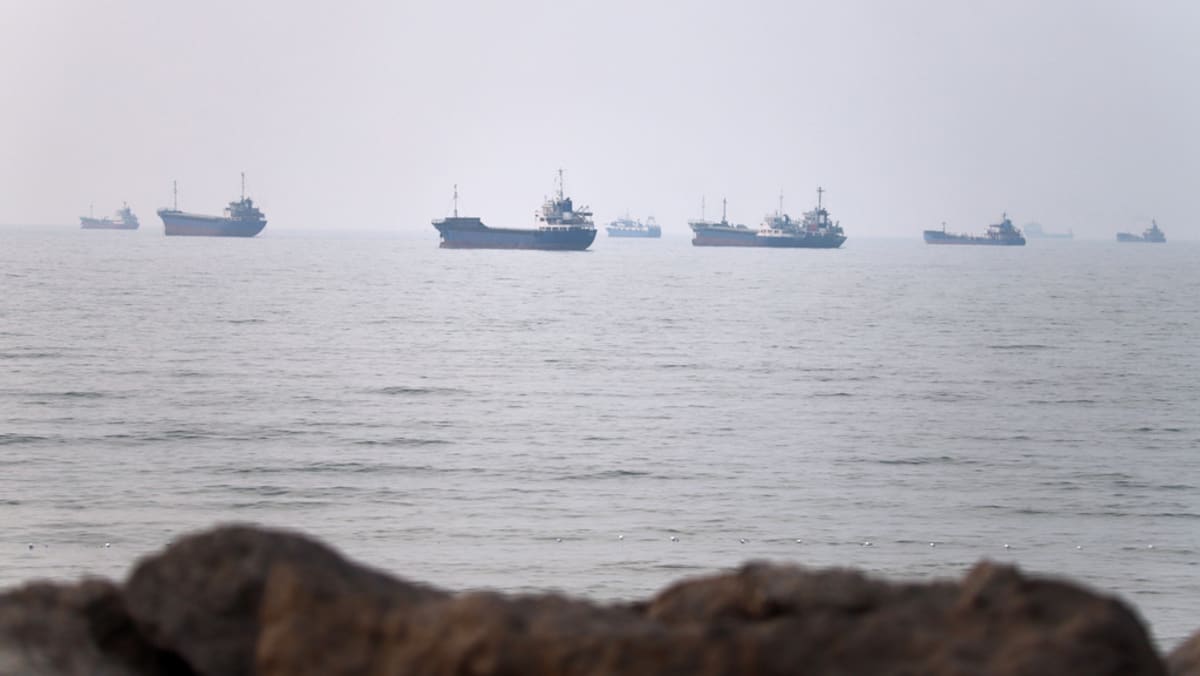
CENTCOM characterized the attacks on shipping as a violation of the ceasefire agreement between the United States and Iran. In a related move on Tuesday, the US Treasury Department revoked a temporary sanctions waiver that had permitted Iran to produce, sell, and export crude oil and related products. This waiver, part of a memorandum of understanding signed last month, had been scheduled to remain in effect through 21 August. A US official stated that the agreement is performance-based and that benefits for Tehran are contingent upon adherence to negotiated terms.
Iranian officials issued sharp condemnations of the US actions. The Iranian Foreign Ministry described the revocation of the oil waiver and the military strikes as violations of the memorandum of understanding, specifically citing the agreement's provisions regarding sanctions and the cessation of hostilities. Iranian Deputy Foreign Minister Kazem Gharibabadi stated that the strikes and the sanctions decision constituted serious breaches of the treaty. Iran’s Khatam al-Anbiya Central Headquarters warned that Iranian armed forces would deliver a response to the US strikes, asserting that Tehran would not permit foreign interference in the management of the Strait of Hormuz.
Iranian media reported explosions in the port city of Sirik, on Qeshm Island, and near Bandar Abbas following the US military action. Reports indicated that several individuals sustained injuries from shrapnel at a commercial dock in Sirik. Iranian Foreign Minister Abbas Araghchi stated that negotiations on a final deal would not resume while threats against Iran persist. This diplomatic deadlock occurs as Iran observes mourning rites for the late Supreme Leader Ali Khamenei, whose burial is scheduled for 9 July in Mashhad.
The volatility has impacted global energy markets, with Brent crude prices increasing following the reports of tanker attacks and the subsequent military escalation. The Strait of Hormuz remains a central point of tension, as Iran insists that vessels use a northern shipping route, whereas the United States maintains support for a southern route near the Omani coast. CENTCOM claims the central channel of the strait remains unusable due to suspected mines.
Diplomatic efforts remain strained as the region faces the potential for further escalation. Iranian leadership has asserted its authority to regulate passage through the waterway, setting the stage for continued uncertainty as the 9 July burial of the late Supreme Leader approaches.
How significant is this development?
Contribute your assessment to the aggregated reader sentiment ledger.
Frequently Asked Questions
Key questions answered in this reportWhat is the key development in: US strikes 80 Iranian targets after attacks on shipping in Strait of Hormuz?
US forces launched strikes on Iranian military infrastructure and vessels in retaliation for attacks on commercial ships. The operation has halted diplomatic negotiations and impacted global energy markets.
Why is this World development significant for the UK?
This report covers critical events in our World beat. Independent reporting monitors related UK statements, regulatory shifts, and public responses as further verified details emerge.
How was this reporting corroborated and verified?
Newsarchy UK compiles and cross-references reporting from primary reporting from moneycontrol.com and cross-checked wire reports. All coverage adheres to published editorial standards.
When was this report published?
This briefing was published on July 8, 2026 and is permanently cataloged in the Newsarchy UK World archives.