Macron's Damascus visit marred by explosions injuring 18
Two coordinated explosions struck downtown Damascus during French President Emmanuel Macron's meeting with Syrian President Ahmad al-Sharaa. The attacks occurred as the nations announced a move to restore diplomatic representation despite ongoing security concerns.
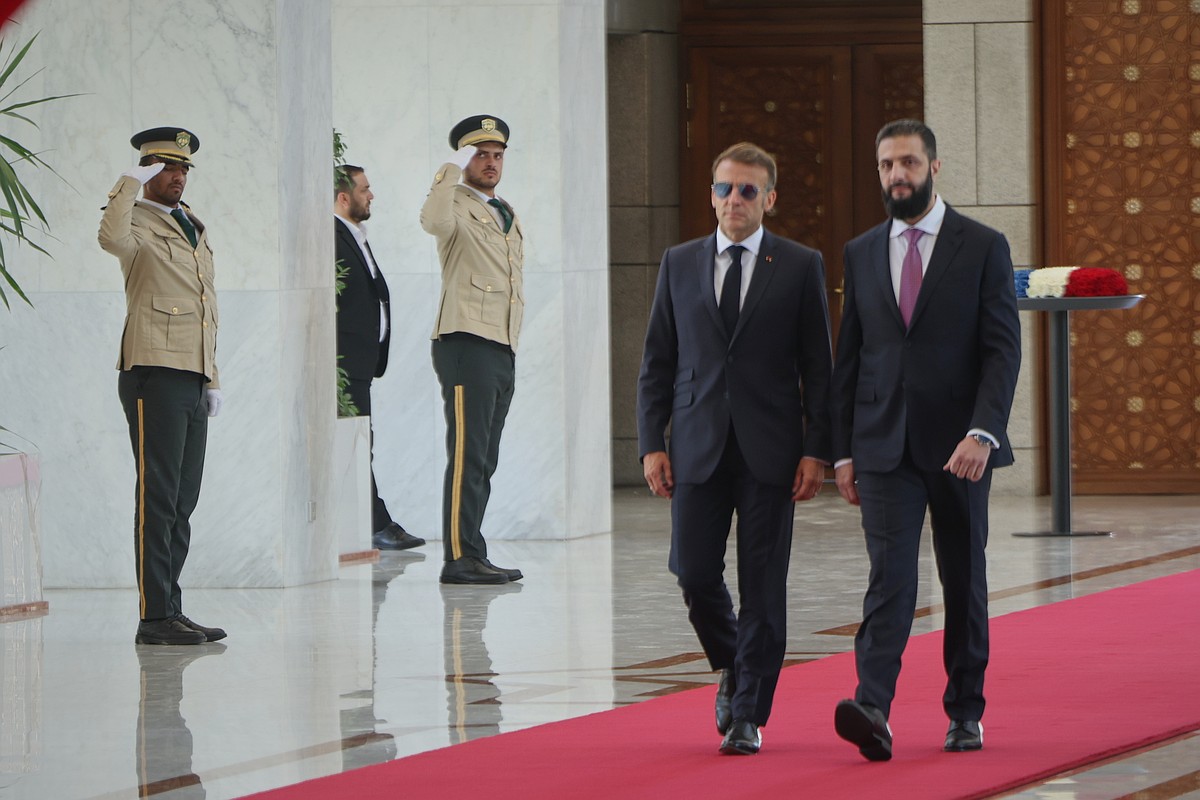
- Core Development: Two coordinated explosions struck downtown Damascus during French President Emmanuel Macron's meeting with Syrian President Ahmad al-Sharaa. The attacks occurred as the nations announced a move to restore diplomatic representation despite ongoing security concerns.
- Beat Context: Categorized under World with independent corroboration.
- Reporting Depth: 3 minute analytical read synthesized from verified newsroom sources.
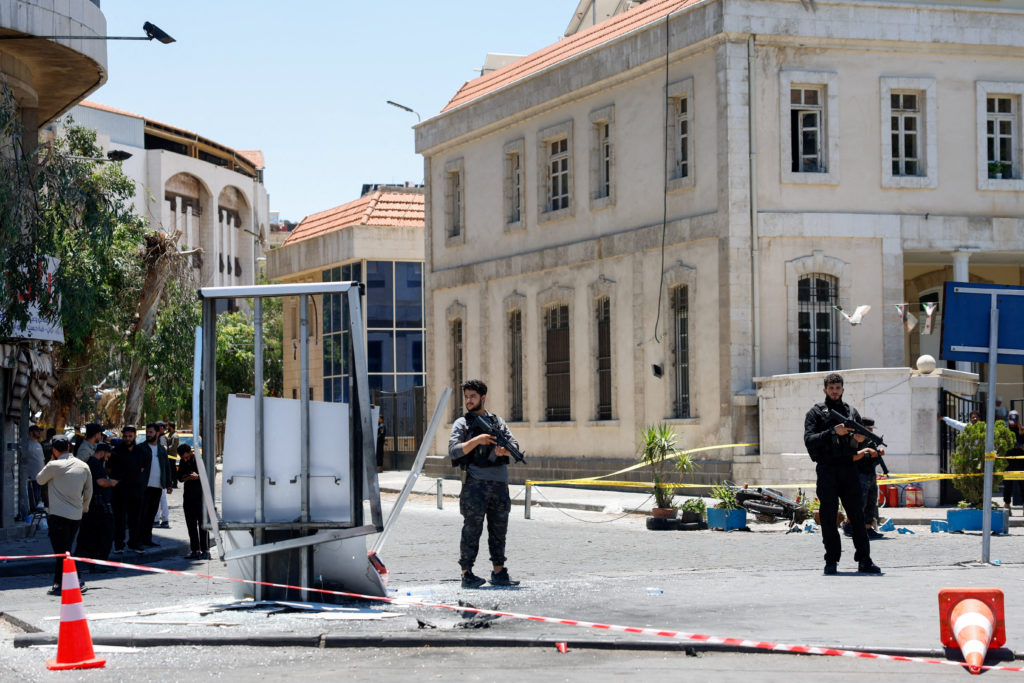
Explosions rocked Syria's capital on Tuesday and injured at least 18 people as France’s president met with his counterpart in a landmark visit to the country rebuilding from years of civil war, Syria's Interior Ministry said. French President Emmanuel Macron was in the presidential palace when the explosions happened. The Interior Ministry in a statement reported by Syrian state media said one bomb had been placed in a garbage bin and the other in a parked car. It said four of the wounded were police officers, and no deaths were immediately reported. A large plume of smoke was seen at the site of the blast near the Four Seasons Hotel, where Syrian media reported Macron was staying. Footage on social media showed a van and a motorcycle on fire and bloodstains on a busy street near the headquarters of the Tourism Ministry and the Damascus National Museum.
An official from the Elysee Palace said he was safe and the meeting with al-Sharaa continued, speaking on condition of anonymity to discuss Macron’s security. Macron is the first major Western leader to visit Syria since the ouster of longtime dictator Bashar Assad by insurgent groups in late 2024. Macron said on X hours later: "Nothing can smother the aspiration of Syrian women and men to live in a fully sovereign, safe, pluralistic, and united Syria. This morning I met Syria in all its diversity. I saw dignity, courage and determination."
Media additions
Later, al-Sharaa and Macron announced they have agreed to reappoint ambassadors after more than a decade, marking a major restoration of diplomatic ties. One agreement was to kick off the process of returning some 51 million euros ($58.3 million) in illicit assets that belonged to Rifaat Assad, the late uncle of Assad. Other agreements included rebuilding the destroyed water and electricity infrastructure in the city of Homs, providing technical assistance to Syria's Central Bank as it undergoes financial reforms and bolstering cargo infrastructure at the Damascus airport. A Syrian foreign ministry official told The Associated Press: "The outcome of this visit confirms that Syria is steadily moving toward a new phase of international partnerships based on shared interests and mutual respect. Attempts to destabilize the country will not alter this trajectory."
On Thursday, an explosive device detonated in a cafe near the Justice Palace, killing at least 10 people and wounding more than 20. The explosions represent a challenge for al-Sharaa, who has pushed to assert full control over Syria, appeal to minorities skeptical of his Islamist-led rule and win the support of Western governments who were concerned about his past leadership of the formerly al-Qaida-linked Hayat Tahrir al-Sham group.
While other nations and businesses have made large investment pledges, the country still needs hundreds of billions of dollars to rebuild and lift millions out of poverty. Macron, who played a major role in pushing Europe and the United States to drop most sanctions that were imposed on Syria under Assad, was in Damascus before heading to Ankara, Turkey, later Tuesday for a NATO summit that al-Sharaa also would attend.
How significant is this development?
Contribute your assessment to the aggregated reader sentiment ledger.
Frequently Asked Questions
Key questions answered in this reportWhat is the key development in: Macron's Damascus visit marred by explosions injuring 18?
Two coordinated explosions struck downtown Damascus during French President Emmanuel Macron's meeting with Syrian President Ahmad al-Sharaa. The attacks occurred as the nations announced a move to restore diplomatic representation despite ongoing security concerns.
Why is this World development significant for the UK?
This report covers critical events in our World beat. Independent reporting monitors related UK statements, regulatory shifts, and public responses as further verified details emerge.
How was this reporting corroborated and verified?
Newsarchy UK compiles and cross-references reporting from primary reporting from timesfreepress.com and cross-checked wire reports. All coverage adheres to published editorial standards.
When was this report published?
This briefing was published on July 8, 2026 and is permanently cataloged in the Newsarchy UK World archives.