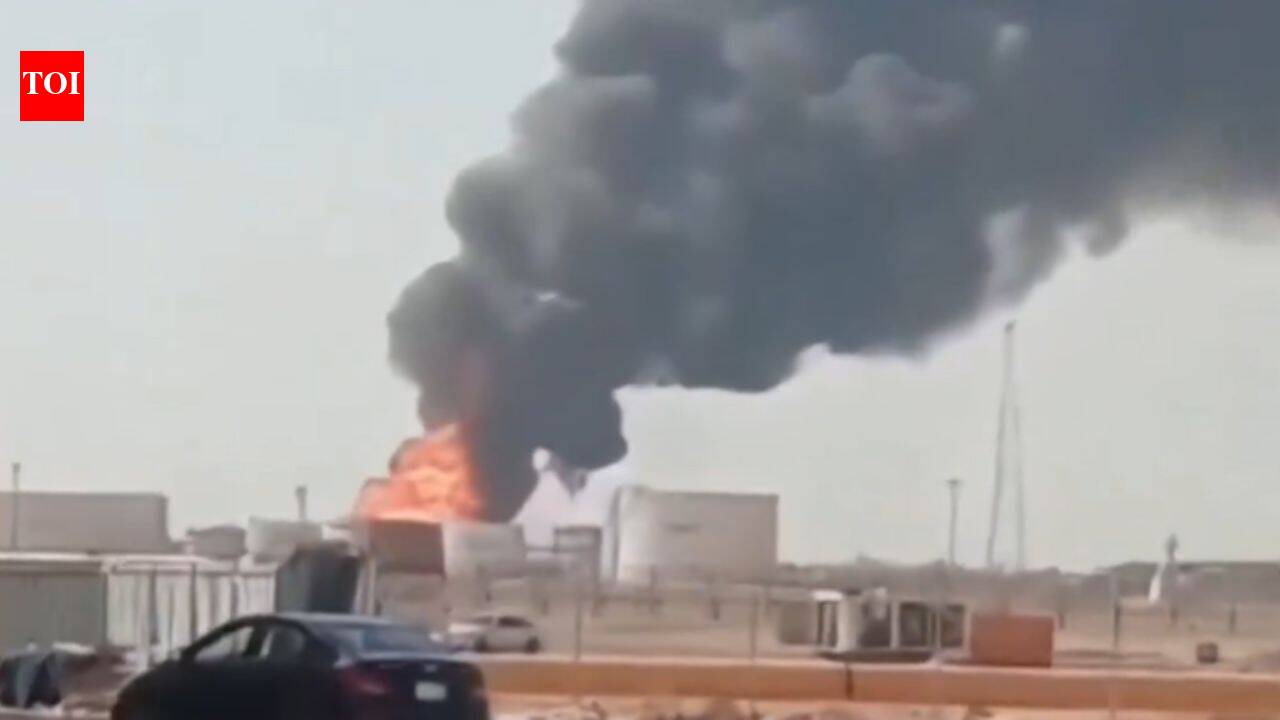
US launches strikes on Iran after commercial ship attacks in Strait of Hormuz
The U.S. military launched strikes against Iran after three commercial vessels were attacked in the Strait of Hormuz, effectively ending a fragile memorandum.
- Core Development: The U.S. military launched strikes against Iran after three commercial vessels were attacked in the Strait of Hormuz, effectively ending a fragile memorandum.
- Beat Context: Categorized under World with independent corroboration.
- Reporting Depth: 3 minute analytical read synthesized from verified newsroom sources.
The United States military launched a series of powerful strikes against targets in Iran late Tuesday and early Wednesday, marking a sharp escalation in regional hostilities. The military action, confirmed by U.S. Central Command, followed a string of attacks on three commercial merchant vessels transiting the Strait of Hormuz.
According to U.S. Officials, the American response was designed to impose heavy costs for targeting and attacking commercial shipping crewed by innocent civilians in an international waterway.
The command further characterized the Iranian operations as an unwarranted, dangerous, and a clear violation of the ceasefire.
Residents and observers in the region reported hearing multiple explosions near Qeshm Island and the mainland city of Sirik, areas frequently targeted by U.S. Forces since the conflict began on Feb. 28.
Media additions


Shipping Incidents and Regional Impact
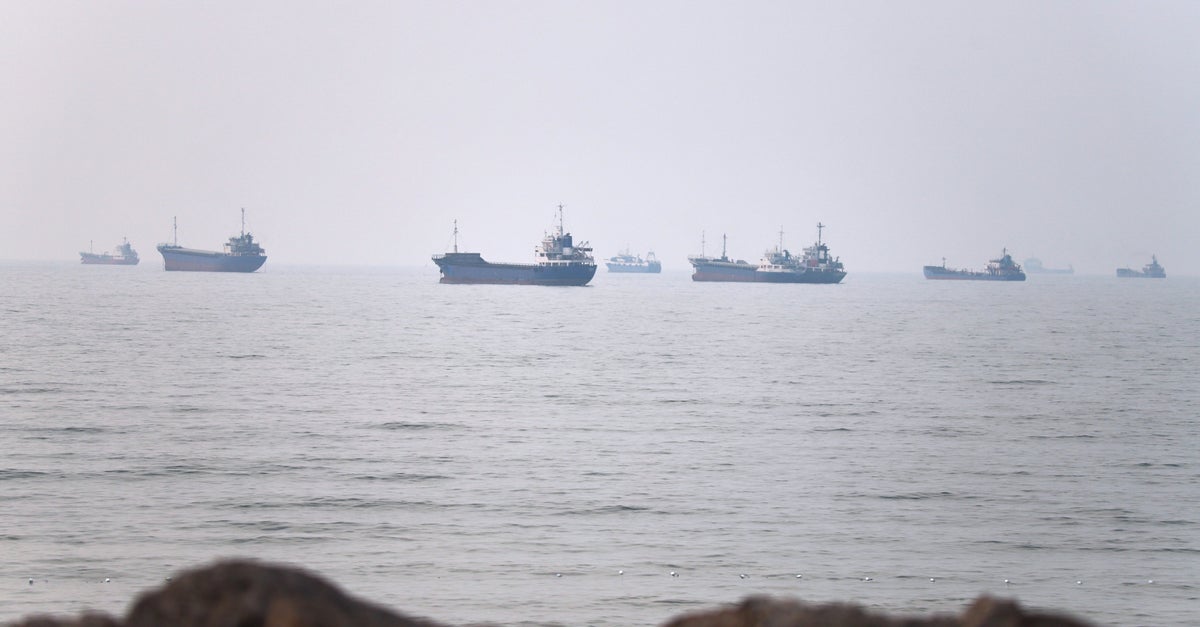
The Strait of Hormuz, a critical global chokepoint for energy supplies, became the site of renewed instability this week. The U.K. Maritime Trade Operations (UKMTO) reported that three vessels were struck by projectiles while navigating near the coast of Oman. Among the affected ships were a Qatari-flagged liquid natural gas tanker, the Al Rekayyat, and a Saudi-flagged crude oil supertanker, the Wedyan. The Al Rekayyat reportedly sustained fire in its engine room. While the other two vessels sustained structural damage, no casualties were reported, and they were able to continue their journeys.
Iran has not officially claimed responsibility for the strikes, though state television suggested that at least one vessel had ignored warnings from Iranian forces. Tehran has previously asserted that only its approved routes through the strait are safe, often pressuring commercial traffic to avoid paths close to the Omani shoreline.
Breakdown of Diplomatic Agreements
The latest exchange of fire has effectively derailed the fragile memorandum of understanding reached between the U.S. And Iran last month. In direct response to the ship attacks, the U.S. Treasury Department revoked a waiver that had allowed Iran to export oil and petrochemicals. U.S. Officials stated that the agreement was performance-based and that Iran would only receive the benefits of sanctions relief if it exhibited good behavior.
Iranian officials reacted with severe condemnation. The Foreign Ministry labeled the revocation of the oil waiver a violation of the memorandum and accused the U.S. Of bad faith. Kazem Gharibabadi, Iran’s deputy foreign minister, described both the sanctions move and the retaliatory U.S. Strikes as serious violations of the diplomatic pact. Abbas Araghchi, a key Iranian negotiator, stated that Tehran would not resume talks until Israel halts operations in Lebanon and withdraws from the territory—a demand that clashes with previous trilateral agreements involving the U.S. And Israel.
International and Economic Context
The renewed violence has rattled global markets, with oil prices climbing on Tuesday as investors reacted to the heightened uncertainty in the Persian Gulf. Leaders within the Gulf Cooperation Council (GCC) issued strong statements denouncing the attacks as a threat to global energy security and international navigation.
The broader regional instability continues to shadow current geopolitical summits. During a meeting in Ankara with Turkish President Recep Tayyip Erdoğan, U.S. President Donald Trump expressed frustration with NATO allies, stating he was disappointed by the lack of direct support for the U.S.-Israeli military campaign. President Trump also indicated that the U.S. Is considering the sale of F-35 fighter jets to Turkey, a proposal that has drawn vocal opposition from Israeli Prime Minister Benjamin Netanyahu, who warned it would disrupt the regional balance of power.
What to Watch Next
- Burial of Ayatollah Khamenei: The transition of power in Tehran remains in flux following the death of the former Supreme Leader. His body is scheduled for burial Thursday at the Imam Reza shrine in Mashhad.
- Diplomatic Standoff: With Iran conditioning the resumption of talks on the withdrawal of Israeli forces from Lebanon, observers are closely monitoring whether any back-channel efforts can salvage the remaining clauses of the memorandum of understanding.
For ongoing updates on the developing situation in the Persian Gulf, follow our World coverage.
How significant is this development?
Contribute your assessment to the aggregated reader sentiment ledger.
Frequently Asked Questions
Key questions answered in this reportWhat is the key development in: US launches strikes on Iran after commercial ship attacks in Strait of Hormuz?
The U.S. military launched strikes against Iran after three commercial vessels were attacked in the Strait of Hormuz, effectively ending a fragile memorandum.
Why is this World development significant for the UK?
This report covers critical events in our World beat. Independent reporting monitors related UK statements, regulatory shifts, and public responses as further verified details emerge.
How was this reporting corroborated and verified?
Newsarchy UK compiles and cross-references reporting from primary reporting from cbsnews.com and cross-checked wire reports. All coverage adheres to published editorial standards.
When was this report published?
This briefing was published on July 8, 2026 and is permanently cataloged in the Newsarchy UK World archives.