Australian court hears mushroom killer's appeal against murder conviction
Triple murderer Erin Patterson has launched a legal challenge against her convictions at Victoria's highest court, as defense lawyers cite jury contamination and evidentiary errors.
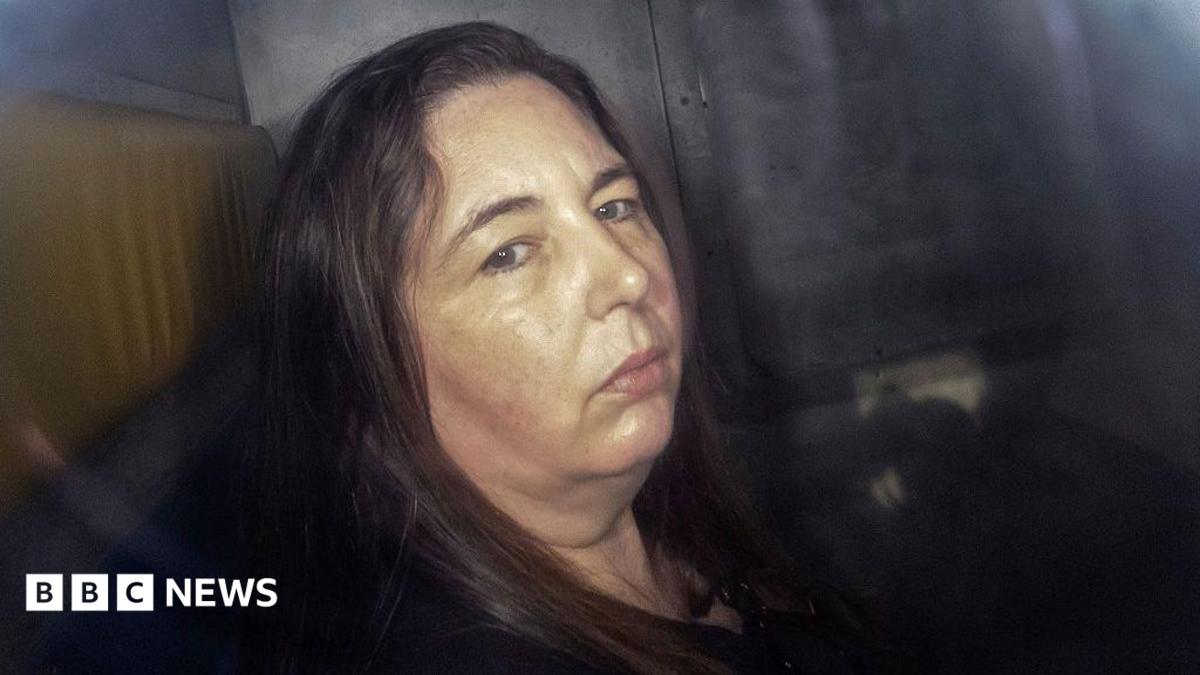
- Core Development: Triple murderer Erin Patterson has launched a legal challenge against her convictions at Victoria's highest court, as defense lawyers cite jury contamination and evidentiary errors.
- Beat Context: Categorized under World with independent corroboration.
- Reporting Depth: 4 minute analytical read synthesized from verified newsroom sources.
Lawyers for triple murderer Erin Patterson have fronted Victoria's highest court in Melbourne to launch a challenge against her convictions, as reported by the Australian Broadcasting Corporation and The New Zealand Herald. Patterson is serving a life sentence following her trial over a fatal beef Wellington lunch served at her home, which resulted in the deaths of three relatives and left a fourth survivor. The proceedings underway in the Victorian capital involve parallel legal challenges from both the defense and the prosecution, drawing intense public and international attention to the Supreme Court building.
Patterson was previously found guilty of murdering Don Patterson, Gail Patterson, and Heather Wilkinson, alongside the attempted murder of Heather's husband, Ian Wilkinson, who survived the meal after weeks of hospital treatment. Following her trial, she received a life sentence with a non-parole period. Choosing not to appear in person, Patterson has opted to watch the appeal proceedings via a video link from the maximum-security Dame Phyllis Frost Centre.
Media additions

Before any appeal can formally proceed on its merits, the presiding panel of three judges—Justices Stephen McLeish, Lesley Taylor, and Peter Kidd—must decide whether to grant both sides "leave" to appeal, according to ABC reporting. The court regularly permits the leave application and the substantive hearing to occur simultaneously.
The defense team, now featuring barristers Richard Edney and Veronika Drago alongside solicitor Bill Doogue and senior associate Ophelia Hollway, has advanced multiple grounds of appeal. Among the first arguments outlined by Edney concerned the jury's accommodation during the original trial. As detailed by The Age, Edney argued that the jury was potentially contaminated by staying in the same hotel as prosecutors and police, describing the situation during sequestration as catastrophic
and an inexplicable and perhaps still unexplained failure of the process of sequestration
in what he called one of the state's most high-profile criminal trials.
Patterson's legal team has additionally argued that she suffered substantial miscarriages of justice due to judicial errors regarding admissible evidence. According to submissions noted by the New Zealand Herald, the defense contends that evidence accepted during the trial relating to Facebook messages, cell tower pings, and online posts of death cap mushroom sightings was irrelevant or unfairly prejudicial. Conversely, the defense argued that separate evidence concerning mushroom images found on a memory card at Patterson's home was wrongly excluded. Patterson's solicitor also accused the prosecution of conducting an unfair and oppressive cross-examination.
The origin of the lethal death cap mushrooms formed a key part of the original trial narrative, though the trial judge ultimately noted that the exact sourcing was not centrally decisive because the underlying acts were clear. According to BBC reporting, prosecutors had theorized that Patterson used the online database iNaturalist to locate sightings near her hometown before traveling to those areas. Jurors heard cell tower evidence placing her phone in those locations hours before she purchased a food dehydrator used to prepare the meal, an appliance she later dumped at a rubbish tip. Patterson's legal team countered that no evidence definitively proved she saw the online sighting posts, while noting her devices were wiped prior to police inspection.
Concurrently, Victorian prosecutors have lodged their own cross-appeal, demanding a stiffer sentence that would strip Patterson of any possibility of parole. Spearheaded by Director of Public Prosecutions Brendan Kissane KC and Crown Prosecutor Jeremy McWilliams, the Office of Public Prosecutions argues that the 33-year non-parole period set by the trial judge is manifestly inadequate given the gravity of the offences. Prosecutors also contend that the sentencing judge erred by factoring in a substantial chance that Patterson would spend years in solitary confinement.
Because of immense public interest, the Court of Appeal shifted the hearings from its standard courtroom to the larger Supreme Court building next door. The proceedings are being publicly live-streamed via the Supreme Court of Victoria website, though state laws strictly prohibit viewers from recording, taking screenshots, or republishing the stream's audio and video.
What to watch next
- The three appeal judges will determine whether to grant leave for the defense and prosecution challenges to proceed.
- If either side is refused leave, their respective appeal fails, and judgments on those matters could be delivered within weeks.
- If leave is granted, a comprehensive judgment detailing the court's final rulings on both the conviction appeal and the sentence challenge could take months to compile.
How significant is this development?
Contribute your assessment to the aggregated reader sentiment ledger.
Frequently Asked Questions
Key questions answered in this reportWhat is the key development in: Australian court hears mushroom killer's appeal against murder conviction?
Triple murderer Erin Patterson has launched a legal challenge against her convictions at Victoria's highest court, as defense lawyers cite jury contamination and evidentiary errors.
Why is this World development significant for the UK?
This report covers critical events in our World beat. Independent reporting monitors related UK statements, regulatory shifts, and public responses as further verified details emerge.
How was this reporting corroborated and verified?
Newsarchy UK compiles and cross-references reporting from primary reporting from abc.net.au and cross-checked wire reports. All coverage adheres to published editorial standards.
When was this report published?
This briefing was published on August 19, 2026 and is permanently cataloged in the Newsarchy UK World archives.