Iran, Trump and the risks of an endless war
The US-Iran cease-fire has collapsed, sending Brent crude past $90 a barrel as traffic through the Strait of Hormuz plummets amid threats.
- Core Development: The US-Iran cease-fire has collapsed, sending Brent crude past $90 a barrel as traffic through the Strait of Hormuz plummets amid threats.
- Beat Context: Categorized under World with independent corroboration.
- Reporting Depth: 4 minute analytical read synthesized from verified newsroom sources.
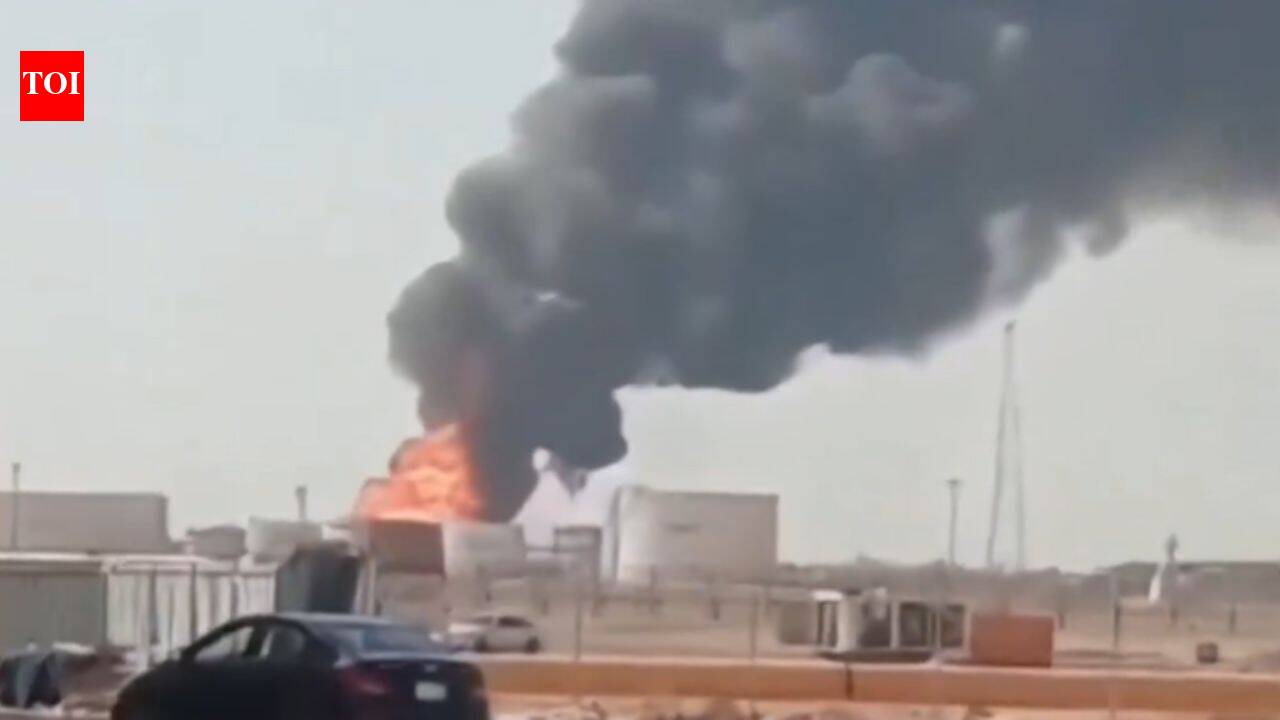
The 60-day window set by the June memorandum that halted open combat between the United States and Iran closed on Monday, and the cease-fire that had kept the Strait of Hormuz barely open collapsed. Within hours Brent crude breached the $90-a-barrel threshold, a cargo ship was struck in the waterway and President Donald Trump publicly threatened to bomb Oman if the Omani government interferes with his push for Tehran’s surrender. With the Gulf’s most vital shipping lane at risk and a U.S. Midterm election looming, the renewed stalemate reshapes both global energy markets and American domestic politics.
During the two-month period that followed the February 28 joint U.S.–Israeli strikes on Iranian facilities, the two sides negotiated a memorandum of understanding that promised a $300 billion reconstruction plan, a lift of sanctions on Iranian oil, and a dialogue between Iran and Oman on Hormuz management. According to the Washington Post, the United States publicly disavowed those points after the deadline expired, reinstating a naval blockade of Iranian ports and demanding concessions that Tehran has refused.
"If Oman gets in the way, we’ll bomb the shit out of them."
Donald Trump, President, via Fox News
Trump also demanded Tehran put up the white flag of surrender in an interview with Fox News, insisting he is not in a hurry to set a deadline for a peace deal. His rhetoric comes as he ordered the Pentagon to scale back joint military drills with South Korea, a move described by CNN as symptomatic of a foreign policy lacking a conventional strategy.
"I have no time schedule. I’m not in a hurry."
Donald Trump, President, via Fox News
The immediate market reaction was stark. Brent crude rose above $90 a barrel for the first time since July 30 and was trading at $91.63 the following morning, according to The Guardian. Angeline Ong, senior technical analyst at IG, warned that the threat to Oman could shift the oil market from pricing a temporary disruption to pricing a prolonged one, noting that roughly a quarter of global seaborne oil passes through Hormuz.
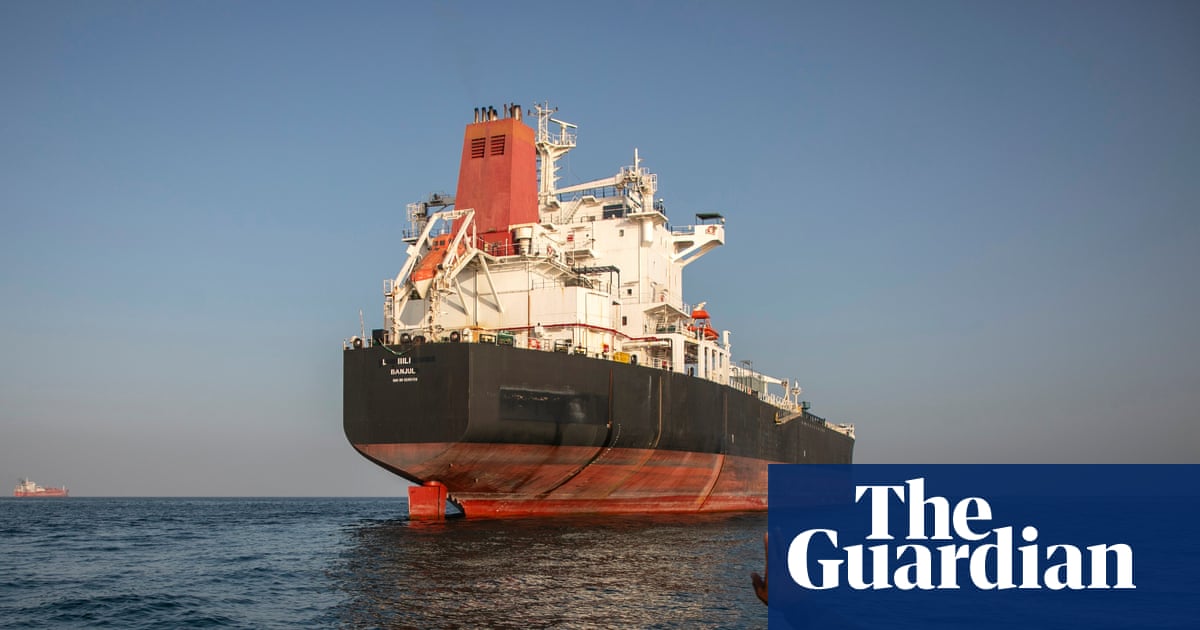
Data from ship-tracking firm Kpler show that only six cargo vessels transited the strait on Monday, a slight rise from the weekend, underscoring how quickly traffic can evaporate when diplomatic channels narrow. The UK Maritime Trade Operations agency reported that a cargo ship was attacked early Tuesday, after an Iranian official told Reuters that the nation would shift to a fully offensive military stance. Fox News reported that Iranian military spokesperson Ebrahim Zolfaghari warned that vessels attempting passage would find several beautiful holes in their hulls.
Analysts at Deutsche Bank interpreted the price surge as investors pricing in a more extended closure of Hormuz, while Dan Alamariu, chief geopolitical strategist at Alpine Macro, warned that an unresolved conflict could combine with Russia’s war in Ukraine to deliver a double whammy for energy markets, potentially spiking volatility.
Beyond economics, the conflict is reshaping U.S. Politics. An Economist-YouGov poll cited by the Washington Post found Republican approval of Trump at 79%, the lowest of his second term, with 100% approval dropping from 68% to 48%. Lee Miringoff, director of the Marist University Institute for Public Opinion, told the Post that the war has contributed to eroding voter confidence in the president and is linked to broader frustrations over inflation and gas prices.
Former senior State Department official Christopher Hill, appearing on CNN International, described the president’s second term as on track to establish the primacy of an extremely unreliable person, a characterization contrasted by Pentagon political affairs head Elbridge Colby, who said from Manila that the new Republican realism approach puts Americans first and sidelines traditional diplomatic channels.
Robert Kagan of the Brookings Institution, quoted by the Post, argues that the United States has effectively lost control of the Strait of Hormuz for the foreseeable future, leaving economic pressure as the only viable lever. He added that if gas prices remain relatively stable, the conflict may gradually fade from voters’ attention, allowing Trump to claim a political win despite a damaging military stalemate.
Timeline of key events
- 28 Feb 2026 – U.S. And Israeli forces launch air-strike campaign against Iranian nuclear sites.
- 18 Aug 2026 – Trump threatens Oman; Brent crude climbs above $90; cargo ship attacked in Hormuz as the 60-day memorandum window closes.
What to watch next
- Whether Iran responds with a full-scale offensive or seeks a back-channel diplomatic solution.
- Potential Omani mediation efforts and any shift in Muscat’s stance influencing oil market sentiment.
- Further fluctuations in Brent crude as investors gauge the likelihood of a prolonged Hormuz closure.
- Statements from Pentagon officials on the status of joint drills with regional allies ahead of the midterms.
As the Gulf teeters between a fragile pause and a renewed escalation, the world watches a conflict that could stretch indefinitely, shaping energy prices, regional security, and the political fortunes of the U.S. President who insists he is not in a hurry.
How significant is this development?
Contribute your assessment to the aggregated reader sentiment ledger.
Frequently Asked Questions
Key questions answered in this reportWhat is the key development in: Iran, Trump and the risks of an endless war?
The US-Iran cease-fire has collapsed, sending Brent crude past $90 a barrel as traffic through the Strait of Hormuz plummets amid threats.
Why is this World development significant for the UK?
This report covers critical events in our World beat. Independent reporting monitors related UK statements, regulatory shifts, and public responses as further verified details emerge.
How was this reporting corroborated and verified?
Newsarchy UK compiles and cross-references reporting from primary reporting from theguardian.com and cross-checked wire reports. All coverage adheres to published editorial standards.
When was this report published?
This briefing was published on August 19, 2026 and is permanently cataloged in the Newsarchy UK World archives.