Flydubai co-pilot plotted 9/11-style attack on Tel Aviv airport, UAE prosecutor says
The UAE chief prosecutor has revealed that a Flydubai co-pilot plotted a 9/11-style suicide attack on Israel's Ben Gurion Airport before being subdued by passengers.

- Core Development: The UAE chief prosecutor has revealed that a Flydubai co-pilot plotted a 9/11-style suicide attack on Israel's Ben Gurion Airport before being subdued by passengers.
- Beat Context: Categorized under World with independent corroboration.
- Reporting Depth: 4 minute analytical read synthesized from verified newsroom sources.
On Friday, the United Arab Emirates’ chief prosecutor announced that a co‑pilot on a Flydubai flight from Dubai to Tel Aviv had plotted a 9/11‑style suicide attack on Israel’s Ben Gurion Airport. The claim follows a dramatic incident that forced the jet to land in Saudi Arabia and has raised questions about aviation security, the UAE’s ties with Israel, and the vetting of airline crew.
The incident unfolded on 30 September when Flight FZ1073 departed Dubai at 7:05 am (03:05 GMT). The aircraft climbed to 34 000 ft before a sudden descent of more than 17 000 ft in about two minutes. The plane later levelled out at roughly 15 000 ft before the cockpit door was repeatedly opened and closed, signalling unlawful interference. Two reserve pilots on the return leg took control and diverted the jet to Tabuk, where it touched down at 9:45 am local time (06:45 GMT). Saudi authorities later transferred the pilots to Abu Dhabi for medical clearance.
Media additions
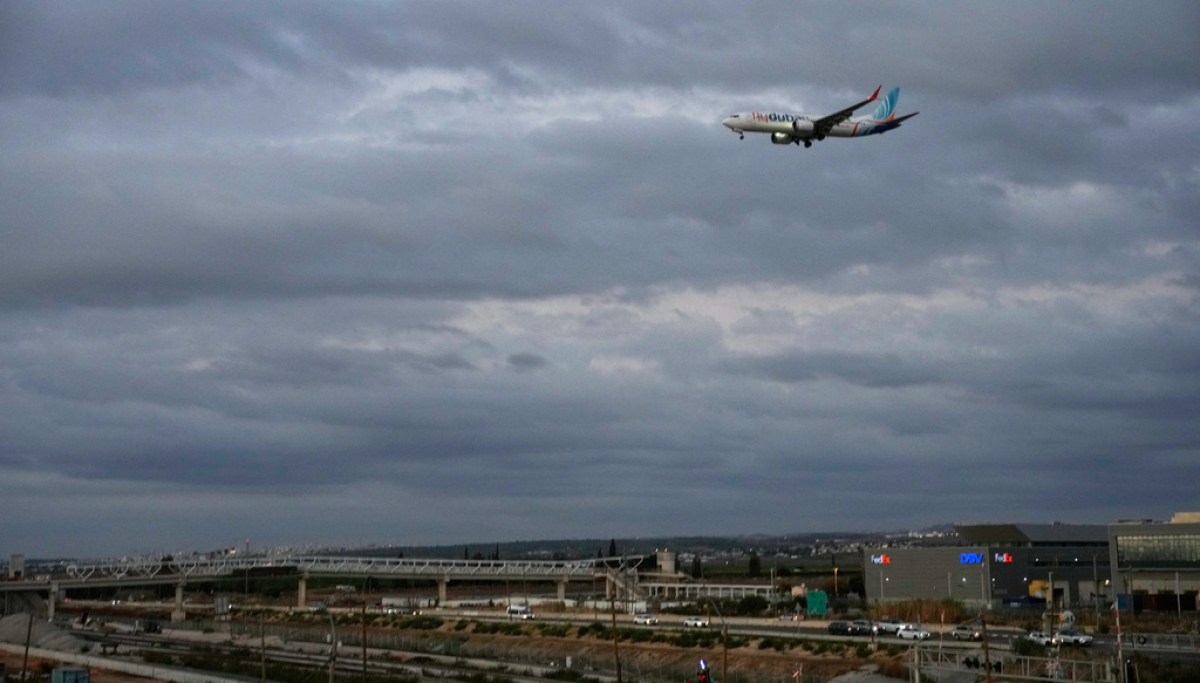


According to Al Jazeera, the co‑pilot – identified as Hamam al‑Hammami – attacked the Indian captain, Smit Machchhar, with an emergency axe, wounding him seriously. Passengers and cabin crew entered the cabin, overpowered the attacker and helped the captain regain control. The attack was described by the UAE attorney general, Hamad Saif al‑Shamsi, as a “suicide mission” inspired by the 9/11 attacks on the United States.
Investigators launched the inquiry on 1 October, after the flight had already landed. They found that the suspect had previously flown to Tel Aviv twice, using the trips to “familiarise himself with the flight route and the airport,” a detail reported by Middleeasteye and echoed in a Yahoo News story. The prosecutor said the co‑pilot’s radicalisation began in 2017 while he was studying in Australia, “through reading extremist literature and following online content glorifying terrorist organisations and suicide attacks.”
| Event | Time (Local) | Details |
|---|---|---|
| Departure from Dubai | 7:05 am | Climbed to 34 000 ft |
| Sudden descent | ~9:00 am | 17 000 ft drop, 15 000 ft level‑out |
| Cockpit assault | ~9:05 am | Co‑pilot attacks captain with axe |
| Passenger intervention | ~9:10 am | Rescue and restraint of attacker |
| Landing in Tabuk | 9:45 am | Safe emergency landing |
In the early hours of 30 September, a flight‑tracking feed showed the jet’s transponder switch to code 7500, the standard signal for unlawful interference. The incident prompted a swift response from UAE authorities, who detained the suspect at Tabuk and later transferred him to Abu Dhabi. The co‑pilot’s background is notable: he had worked for Oman Air, Royal Air Maroc and had joined Flydubai in January 2026. The prosecutor emphasised that the suspect had met "all professional and security requirements," including a pilot’s licence and a certificate of good conduct, yet nothing in the vetting process flagged his extremist views.
Israel’s far‑right national security minister warned that the attacker had aimed to "cause the greatest possible loss of life." Prime Minister Benjamin Netanyahu praised the passengers and the captain for averting a catastrophe and ordered a thorough review of all security aspects of foreign civil aviation to Israel. The incident comes at a time when the UAE and Israel have been deepening cooperation under the Abraham Accords, and Israel maintains strict checks on those travelling to the country.
In a statement carried by the UAE’s state news agency WAM, attorney general Hamad Saif al‑Shamsi said the co‑pilot “took a personal decision to pursue a career in aviation” after the 9/11 attacks had become “firmly established in his thinking.” He also noted that the suspect had carried out a “suicide mission” with the aim of causing mass casualties and that his plan had been thwarted by the other pilot and several passengers.
While the UAE prosecutor’s findings do not implicate Flydubai in any wrongdoing, they raise new questions about how airlines screen crew for extremist tendencies. Cedarnews reported that investigators are examining Flydubai’s recruiting procedures, and that the suspect had previously been barred from flying in Oman over concerns about his extremist views.
How significant is this development?
Contribute your assessment to the aggregated reader sentiment ledger.
Frequently Asked Questions
Key questions answered in this reportWhat is the key development in: Flydubai co-pilot plotted 9/11-style attack on Tel Aviv airport, UAE prosecutor says?
The UAE chief prosecutor has revealed that a Flydubai co-pilot plotted a 9/11-style suicide attack on Israel's Ben Gurion Airport before being subdued by passengers.
Why is this World development significant for the UK?
This report covers critical events in our World beat. Independent reporting monitors related UK statements, regulatory shifts, and public responses as further verified details emerge.
How was this reporting corroborated and verified?
Newsarchy UK compiles and cross-references reporting from primary reporting from Al Jazeera and cross-checked wire reports. All coverage adheres to published editorial standards.
When was this report published?
This briefing was published on October 9, 2026 and is permanently cataloged in the Newsarchy UK World archives.