France records 2,025 excess deaths during June heatwave
Public Health France reports a 29.1% surge in mortality during late June as extreme temperatures strain medical infrastructure and funeral services. The findings have prompted political criticism regarding the government's preparedness for extreme weather.
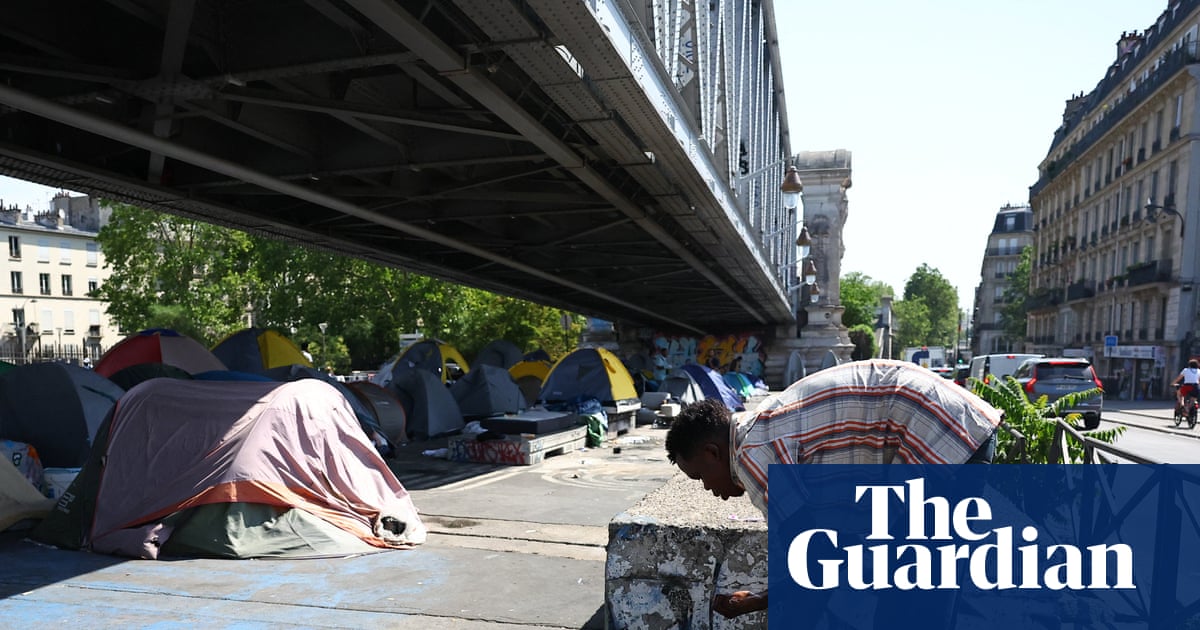
- Core Development: Public Health France reports a 29.1% surge in mortality during late June as extreme temperatures strain medical infrastructure and funeral services. The findings have prompted political criticism regarding the government's preparedness for extreme weather.
- Beat Context: Categorized under World with independent corroboration.
- Reporting Depth: 3 minute analytical read synthesized from verified newsroom sources.
France has recorded a surge of 2,025 excess deaths during the final week of June, as a record-breaking heatwave gripped the country and triggered a wider public health crisis across Europe. The national health authority, Public Health France, confirmed on Friday, 3 July 2026, that the mortality count for the week of 22 June to 28 June rose by 29.1% compared to the preceding seven-day period. Officials warned that these figures, which currently stand at 8,973 total deaths for the week, remain incomplete and are expected to climb as data continues to be processed.
This update doubled the agency’s preliminary estimate of 1,000 deaths issued on Sunday, which had covered only the initial three days of the extreme heat. The latest findings highlight a disproportionate impact on older residents and those living in private homes. According to the health authority, deaths recorded in private residences increased by 91% week-on-week, while fatalities in nursing homes rose by 37% and hospital deaths by nearly 20%. The Île-de-France region, encompassing Paris, was identified as the most severely affected area, recording a 62% surge in mortality.
Media additions
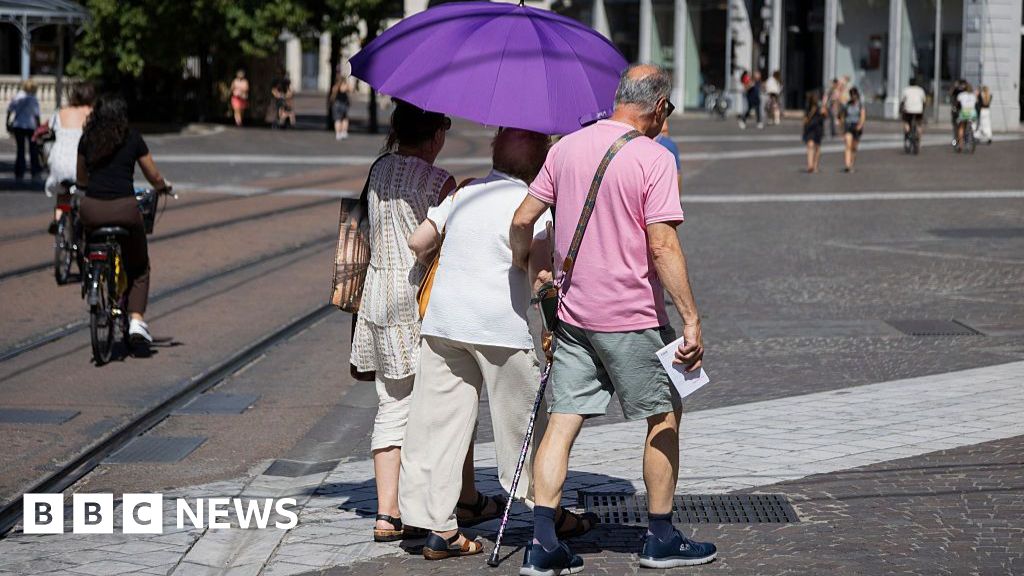


The Human and Infrastructure Toll
The intensity of the heat, which saw national average temperatures reach historic highs, has placed significant strain on French emergency services and infrastructure. At the Paris-Saclay Hospital, emergency department head Dr. Nicolas Gonzales reported an early and sustained surge of patients beginning 20 June. Medics were forced to treat patients for a range of heat-induced ailments, including kidney failure, heart attacks, and severe dehydration. In Paris, the influx of fatalities has led to logistical challenges for funeral services, with some mortuaries reporting they reached capacity and were forced to decline further requests for storage.
The environmental and physical toll also extended to water-based activities. French Interior Minister Laurent Nuñez stated that 72 drowning deaths were recorded since 18 June.
A Continental Crisis
France is not alone in grappling with the deadly consequences of the recent heat. Across Europe, neighboring nations have reported similar spikes in excess mortality:
- Belgium: The health ministry reported 1,222 excess deaths between 18 and 29 June, with 530 of the deaths among people 85 or older.
- The Netherlands: Authorities confirmed approximately 480 excess deaths during the same period, with the majority of victims being elderly residents.
Political and Scientific Context
The government of Prime Minister Sébastien Lecornu has faced mounting criticism regarding the adequacy of its preparedness for extreme weather. Opposition parties, including the Greens, have called for a no-confidence motion, arguing that the administration failed to implement sufficient measures to protect the population. While acknowledging the severity of the event, officials noted that the current death toll is expected to remain below the catastrophic 15,000 fatalities recorded during the 2003 heatwave.
Climate experts attribute this month's extreme temperatures to long-term atmospheric shifts. Climatologists from the World Weather Attribution group stated that the temperature records shattered across France and surrounding nations would have been virtually impossible in June without the influence of climate change. As the continent continues to heat up twice as fast as the global average, according to the Copernicus climate service, the challenge of maintaining public health infrastructure during such events remains a primary concern for policymakers.
How significant is this development?
Contribute your assessment to the aggregated reader sentiment ledger.
Frequently Asked Questions
Key questions answered in this reportWhat is the key development in: France records 2,025 excess deaths during June heatwave?
Public Health France reports a 29.1% surge in mortality during late June as extreme temperatures strain medical infrastructure and funeral services. The findings have prompted political criticism regarding the government's preparedness for extreme weather.
Why is this World development significant for the UK?
This report covers critical events in our World beat. Independent reporting monitors related UK statements, regulatory shifts, and public responses as further verified details emerge.
How was this reporting corroborated and verified?
Newsarchy UK compiles and cross-references reporting from primary reporting from bbc.com and cross-checked wire reports. All coverage adheres to published editorial standards.
When was this report published?
This briefing was published on July 4, 2026 and is permanently cataloged in the Newsarchy UK World archives.