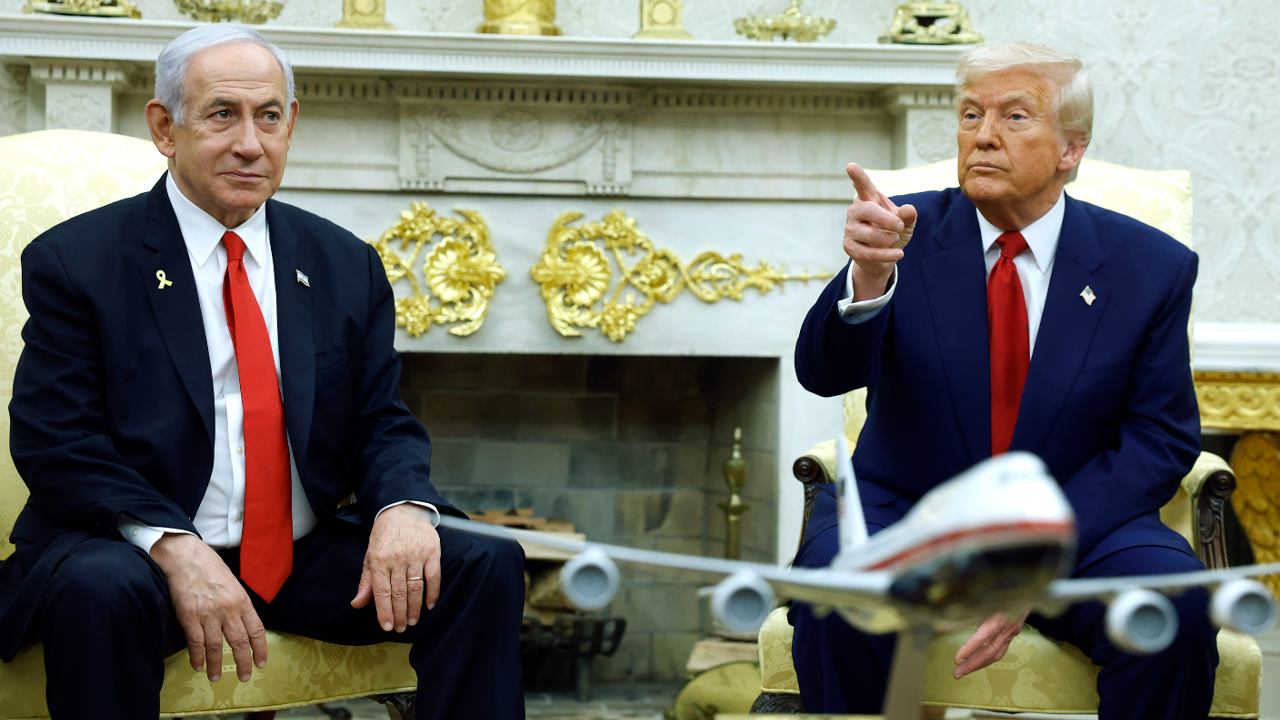
Gadi Eisenkot, Israeli opposition vow to form emergency gov't 'as soon as possible
Israel's opposition parties have backed former military commander Gadi Eisenkot to form an emergency government following a stalemated election.
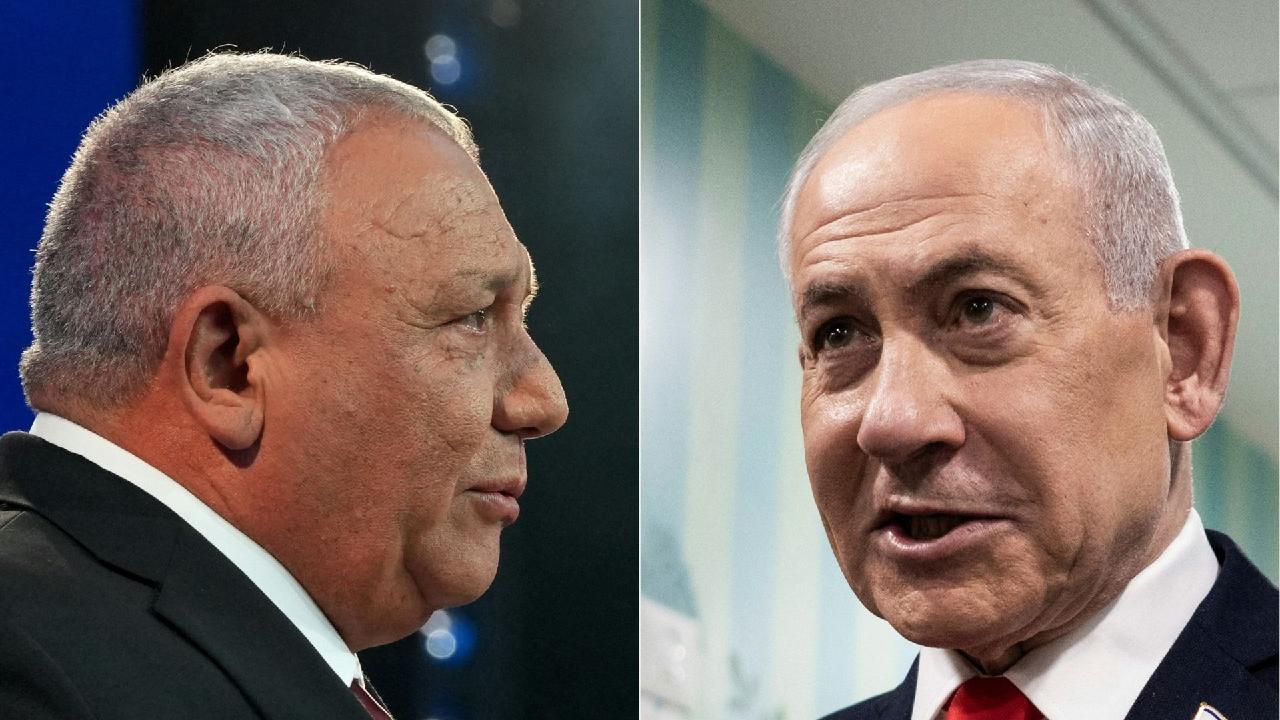
- Core Development: Israel's opposition parties have backed former military commander Gadi Eisenkot to form an emergency government following a stalemated election.
- Beat Context: Categorized under World with independent corroboration.
- Reporting Depth: 4 minute analytical read synthesized from verified newsroom sources.
In the wake of a hung election that left Prime Minister Benjamin Netanyahu’s bloc short of a majority, the leaders of Israel’s main opposition coalition have convened in Herzliya to agree on a strategy to form an emergency government and remove Netanyahu from office. The meeting, the first since the October 27 vote, saw the bloc’s chief, former military commander Gadi Eisenkot, receive unanimous backing for the premiership, but the path to a coalition remains contested, particularly over the inclusion of Arab‑led parties.
The gathering in Herzliya, home to the former commander, was attended by the heads of five opposition parties. In a joint statement, they reaffirmed the four principles Eisenkot had set out: every party in the government must recognise Israel as a Jewish state and denounce Hamas as a terrorist group. These conditions could exclude some Arab‑led parties that dispute the “Jewish state” definition or refuse to label Hamas as terrorism.
Media additions

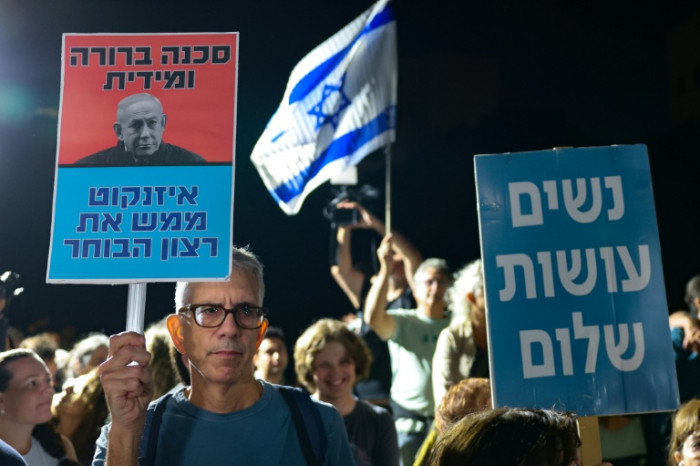

While the coalition’s leaders agreed to back Eisenkot, the question of whether to ally with Arab‑led parties remains a source of division. Yair Golan, head of the left‑wing Democrats, is the only opposition leader openly supporting a partnership with the Arab Joint List and Ra’am. In contrast, Avigdor Liberman, leader of the right‑wing Yisrael Beiteinu, has declared that Arab parties should not be included in any new coalition.
Netanyahu’s bloc, which secured 53 seats, has called for a “broad national government” under his leadership and has repeatedly accused Arab‑led parties of supporting terrorism and denying the existence of the Jewish state. The Arab parties, which won 19 seats in the election, have condemned the October 7 attack by Hamas but have not described the group as a terror organization. The Joint List’s chairman, Yousef Jabareen, has urged the opposition to accept “political reality” and work together to remove Netanyahu.
| Party | Seats |
|---|---|
| Netanyahu’s bloc | 53 |
| Eisenkot’s opposition bloc | 48 |
| Arab‑led parties (Joint List + Ra’am) | 19 |
President Isaac Herzog, who holds a largely ceremonial role but determines who is tasked with forming a government, will begin consultations on Wednesday and Thursday. He has signalled a willingness to explore a unity government that could bring stability to a country still reeling from war and deep political divisions. If no candidate secures a majority within the 28‑day window, Herzog can extend the period or, failing that, allow the Knesset to nominate a new candidate. A failure to form a government would trigger fresh elections.
For the opposition, the next steps include drafting policy guidelines and coalition agreements. Negotiations will likely focus on how to secure the Arab‑led parties’ support while maintaining the four principles Eisenkot has set. The opposition’s unity is essential; any split could give Netanyahu’s bloc an advantage in the upcoming consultations.
Timeline of Key Events
- October 27 – Knesset election leaves Netanyahu’s bloc with 53 seats and Eisenkot’s opposition bloc with 48.
- November 3 – Opposition leaders meet in Herzliya, agree to back Eisenkot and pledge to form a government “as quickly as possible.”
Observers note that the opposition’s success hinges on resolving the Arab‑led partnership issue. The bloc’s leaders have expressed urgency, with former prime minister Naftali Bennett promising to back Eisenkot. Yet the divergent views on Arab participation could delay coalition talks, potentially prolonging the political stalemate.
As Herzog prepares to decide whom to task, the political landscape remains fluid. The opposition’s commitment to an emergency government underscores the urgency felt by many Israeli voters and politicians who view Netanyahu’s continued rule as untenable. Whether the opposition can unite behind a coalition that satisfies all parties, including the Arab‑led lists, will determine whether Israel avoids another election and moves toward a new government.
How significant is this development?
Contribute your assessment to the aggregated reader sentiment ledger.
Frequently Asked Questions
Key questions answered in this reportWhat is the key development in: Gadi Eisenkot, Israeli opposition vow to form emergency gov't 'as soon as possible?
Israel's opposition parties have backed former military commander Gadi Eisenkot to form an emergency government following a stalemated election.
Why is this World development significant for the UK?
This report covers critical events in our World beat. Independent reporting monitors related UK statements, regulatory shifts, and public responses as further verified details emerge.
How was this reporting corroborated and verified?
Newsarchy UK compiles and cross-references reporting from primary reporting from newseu.cgtn.com and cross-checked wire reports. All coverage adheres to published editorial standards.
When was this report published?
This briefing was published on November 4, 2026 and is permanently cataloged in the Newsarchy UK World archives.