German prosecutors charge Ukrainian national over Nord Stream pipeline blasts
German federal prosecutors have officially filed charges against a Ukrainian national in connection with the 2022 sabotage of the Nord Stream gas pipelines. This indictment follows an extensive investigation into the underwater explosions that damaged European energy infrastructure.
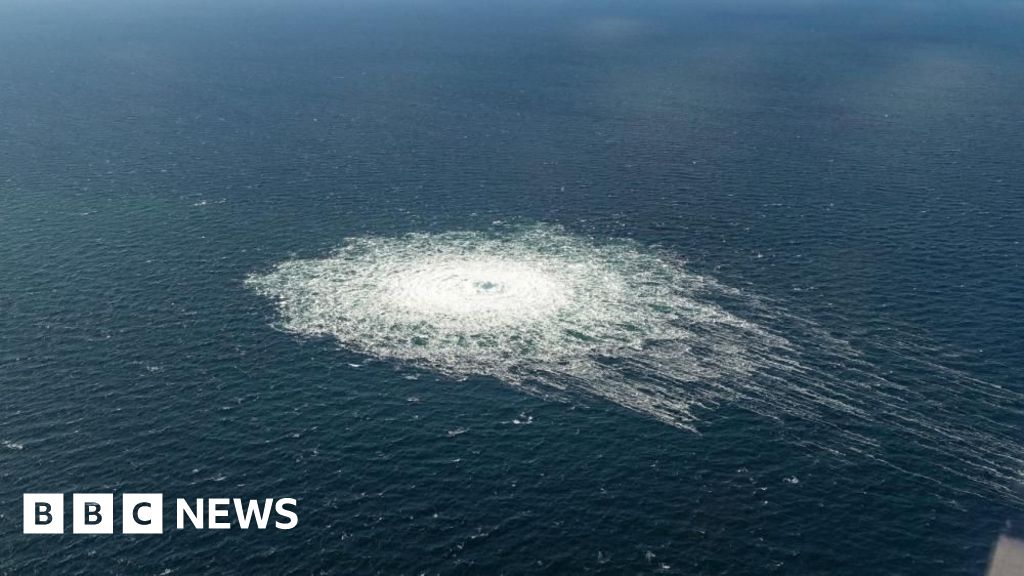
- Core Development: German federal prosecutors have officially filed charges against a Ukrainian national in connection with the 2022 sabotage of the Nord Stream gas pipelines. This indictment follows an extensive investigation into the underwater explosions that damaged European energy infrastructure.
- Beat Context: Categorized under World with independent corroboration.
- Reporting Depth: 3 minute analytical read synthesized from verified newsroom sources.
German federal prosecutors have officially filed charges against a Ukrainian national in connection with the 2022 sabotage of the Nord Stream gas pipelines. This development, confirmed on 1 July 2026, represents the first criminal indictment stemming from an act of infrastructure destruction that remains among the most significant geopolitical flashpoints of the ongoing war in Europe.
The suspect, identified in German media reports as Serhii Kuznietsov, also referred to as Serhii K, was taken into custody in the Italian province of Rimini in August 2025. Following his extradition to Germany in November 2025, he has remained in pre-trial detention in Hamburg. Legal representatives for the accused have confirmed the receipt of an indictment, which includes charges of attacking civilian energy infrastructure, causing an explosion, and the destruction of infrastructure.
Media additions
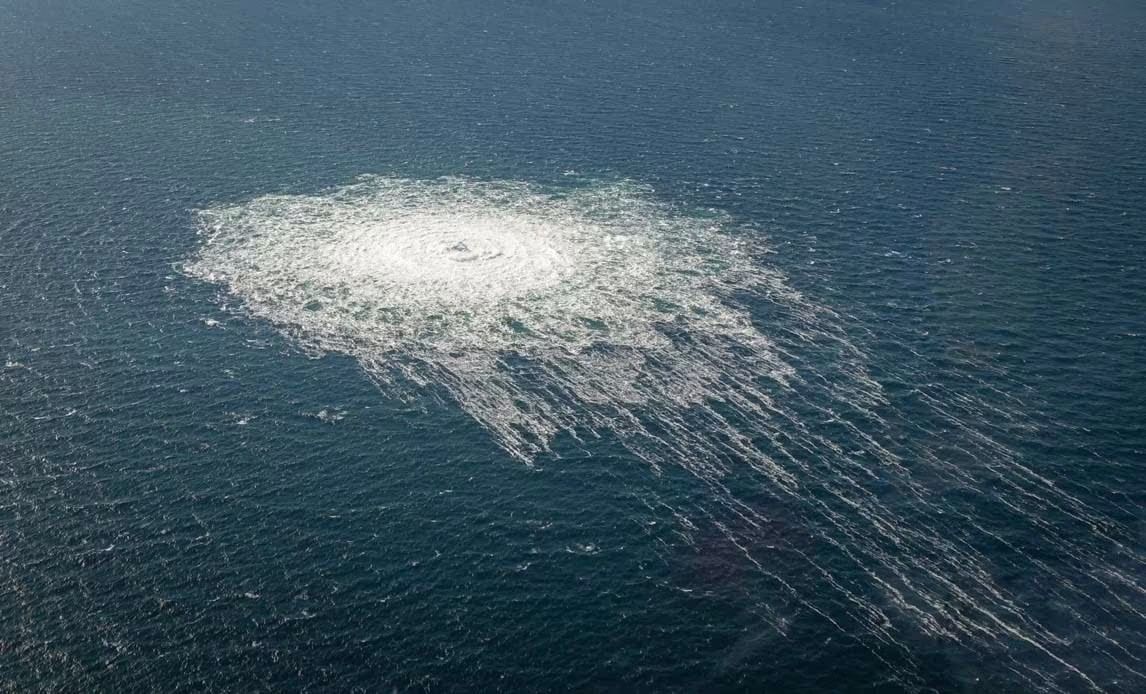
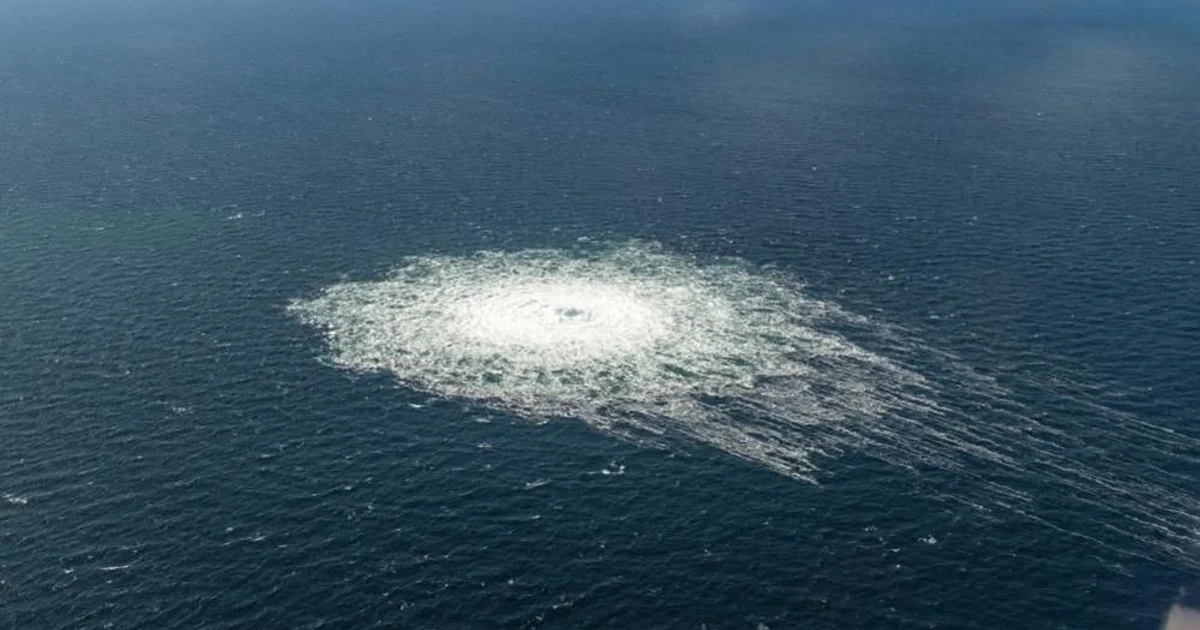
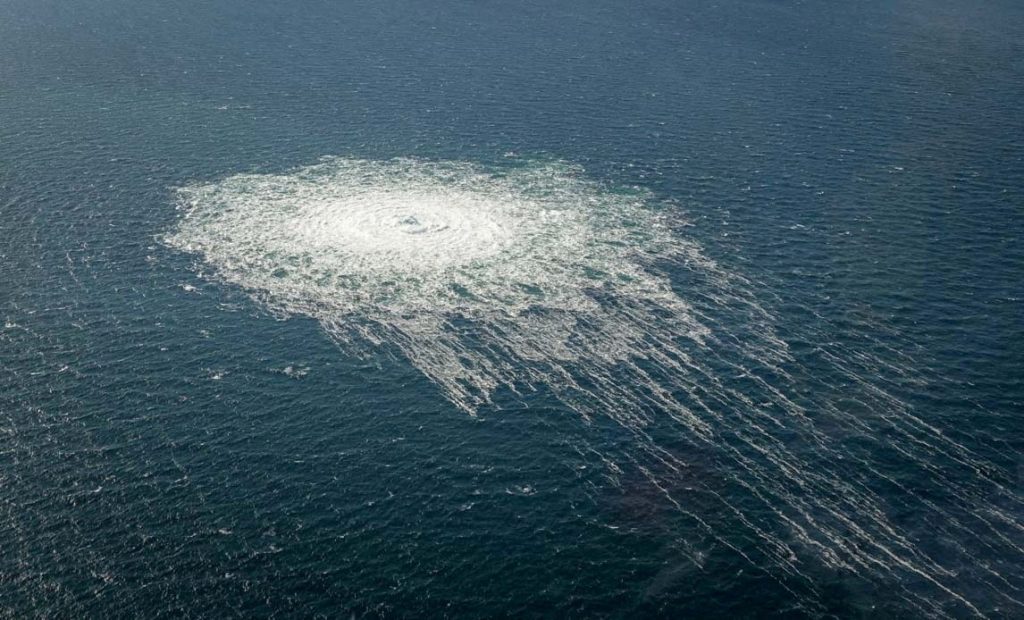
Operation and Evidence
According to findings from the German Federal Court of Justice, the operation was executed by a team of seven individuals, including a skipper, an explosives expert, and four deep-sea divers. Investigators allege that this team chartered a sailing yacht named Andromeda
from the port of Wiek on the island of Rügen. They reportedly departed no later than 8 September 2022, carrying high-performance, military-grade explosives.
Authorities claim that the group placed four devices equipped with time-delay fuses onto the pipelines at depths of up to 80 meters near the Danish island of Bornholm. These devices detonated on 26 September 2022, rupturing three of the four pipelines and releasing substantial quantities of methane into the Baltic Sea. Forensic analysis reportedly discovered traces of HMX and RDX military explosives on the vessel. Further claims by investigators suggest the evidence is overwhelming
, citing intercepted telephone communications in which the defendant allegedly incriminated himself while held in Italy.
Diplomatic and Legal Complications
The prosecution arrives at a precarious moment for relations between Berlin and Kyiv. Ukrainian authorities, including Ombudsman Dmytro Lubinets, have previously protested the conditions of the suspect’s detention, alleging a failure to accommodate his dietary needs and restricted access to communication.
The case is further complicated by jurisdictional hurdles across Europe. In September 2025, Polish authorities detained another Ukrainian national, identified as Volodymyr Zhuravlev, regarding the same investigation. However, a Polish court subsequently blocked his extradition, and he remains at liberty. Earlier, investigations led by Sweden and Denmark concluded in 2024 without issuing charges, effectively leaving Germany as the sole jurisdiction pursuing criminal accountability.
What to Watch Next
- Trial Proceedings: The case will proceed to trial in Hamburg, where the defense team maintains the charges are unfounded and has expressed confidence in an acquittal.
- Sovereignty Claims: The Federal Court of Justice has previously stated the attack was likely carried out by a covert unit and constitutes an act against German sovereignty, a stance that may feature prominently as the legal arguments unfold.
- Political Fallout: With Ukraine denying any state-level involvement, political observers are watching whether the trial will exacerbate tensions within the European alliance.
The Nord Stream infrastructure, which spanned 1,200km from Russia to north-eastern Germany, had been a long-standing source of contention. The 2022 explosions occurred shortly after Russia had already curtailed gas flows to Europe. As the legal process moves toward a courtroom verdict, the outcome may force a difficult separation between the realities of international criminal law and the ongoing political and military support Germany provides to Kyiv in the context of the wider conflict.
How significant is this development?
Contribute your assessment to the aggregated reader sentiment ledger.
Frequently Asked Questions
Key questions answered in this reportWhat is the key development in: German prosecutors charge Ukrainian national over Nord Stream pipeline blasts?
German federal prosecutors have officially filed charges against a Ukrainian national in connection with the 2022 sabotage of the Nord Stream gas pipelines. This indictment follows an extensive investigation into the underwater explosions that damaged European energy infrastructure.
Why is this World development significant for the UK?
This report covers critical events in our World beat. Independent reporting monitors related UK statements, regulatory shifts, and public responses as further verified details emerge.
How was this reporting corroborated and verified?
Newsarchy UK compiles and cross-references reporting from primary reporting from bbc.com and cross-checked wire reports. All coverage adheres to published editorial standards.
When was this report published?
This briefing was published on July 1, 2026 and is permanently cataloged in the Newsarchy UK World archives.