Houthis Say They Attacked 2 Saudi Oil Tankers In Red Sea As US Strikes Iran
Houthi rebels claimed responsibility for striking two oil tankers in the Red Sea as the U.S. military conducts strikes on Iranian infrastructure.
- Core Development: Houthi rebels claimed responsibility for striking two oil tankers in the Red Sea as the U.S. military conducts strikes on Iranian infrastructure.
- Beat Context: Categorized under World with independent corroboration.
- Reporting Depth: 3 minute analytical read synthesized from verified newsroom sources.
Yemen’s Houthi rebels confirmed on Thursday that they struck two oil tankers in the Red Sea, an escalation that threatens to expand the reach of the conflict beyond the Persian Gulf. The reported attacks on the tankers Encelia and Layla occurred as the United States military carried out a 12th night of strikes across Iran, intensifying a global struggle for control over critical maritime energy corridors.
The Houthi-linked SABA news agency reported that the strikes resulted in fires aboard both vessels. While the Saudi Press Agency acknowledged that the Encelia was set ablaze in the Red Sea, it made no mention of the Layla. The United Kingdom Maritime Trade Operations Centre (UKMTO) confirmed receiving reports that a tanker was struck by an unknown projectile approximately 130 kilometres southwest of Al Shuqaiq, Saudi Arabia. No casualties have been reported from the incident.
Media additions
This action marks the Houthis’ first reported strike on a vessel since the group announced a blockade of Saudi-linked shipping through the Bab el-Mandeb Strait. This narrow chokepoint at the southern tip of the Arabian Peninsula facilitates the movement of roughly 12% of global trade and a quarter of worldwide container traffic between Europe and Asia. Maritime analysts at Lloyd's List Intelligence noted that the Houthi threats challenge the viability of this route, which Saudi Arabia has used to bypass the bottleneck in the Persian Gulf by diverting millions of barrels of oil exports daily through an overland pipeline to the port of Yanbu.
The regional instability has caused significant economic volatility, with Brent crude oil prices spiking on Thursday to approximately $100 a barrel. The ongoing disruption in the Strait of Hormuz—through which one-fifth of global oil and gas typically transits—has already forced a scramble for alternative shipping routes.
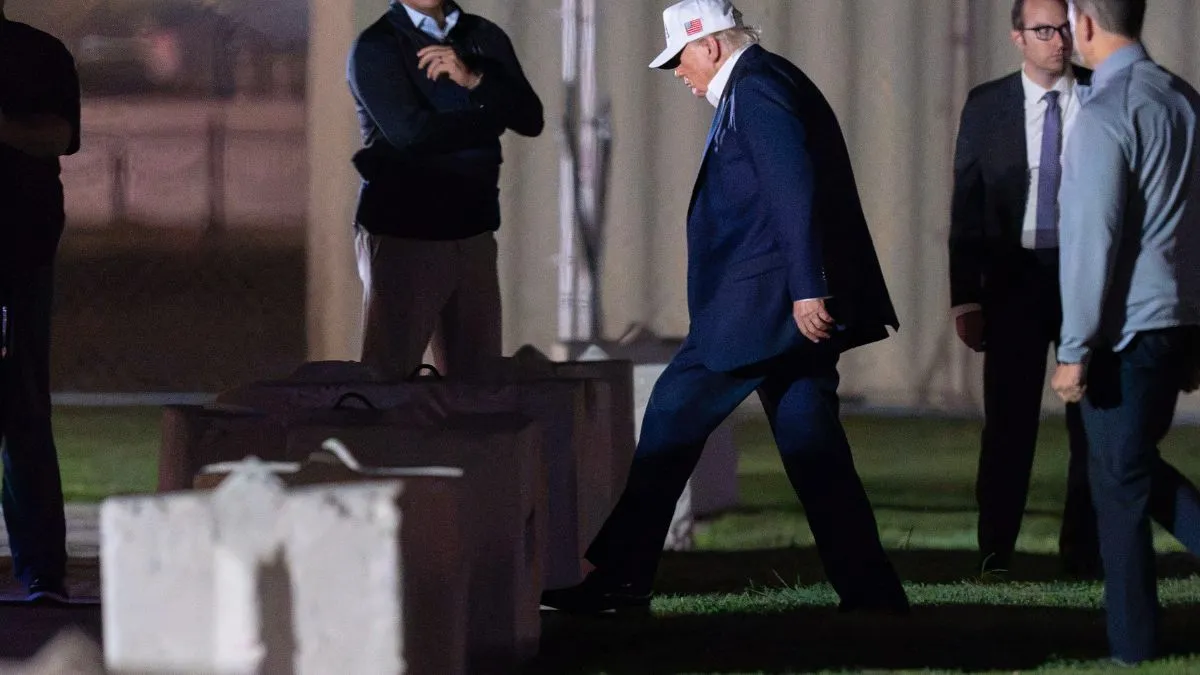
In response to the intensifying Houthi activities, President Donald Trump issued a warning, stating that the United States would hold Iran responsible for the actions of its proxy. "If they do this again, the U.S. Will hold Iran responsible, in that the Houthis are a Surrogate and/or Proxy of Iran, and major military punishment will be inflicted upon Iran and, of course, the Houthis, themselves," Trump stated. Additionally, the President warned that the U.S. Would target one bridge or power plant each time Iranian forces fire upon a ship in the Strait of Hormuz.
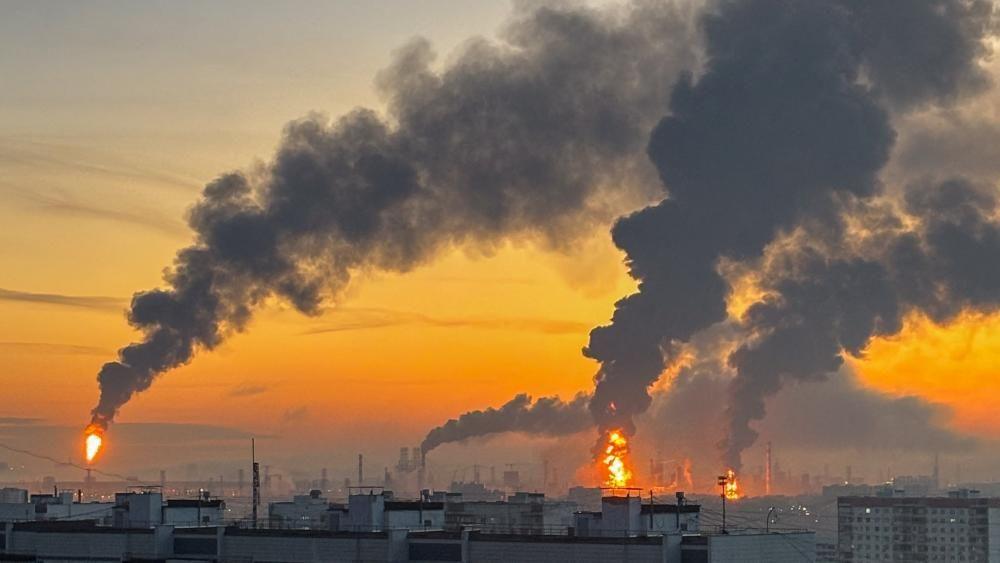
Military operations continue to target Iranian infrastructure. U.S. Central Command stated that its strikes are intended to degrade Iran’s capacity to threaten commercial vessels and civilian mariners. Iranian state media reported that U.S. Missiles hit locations near the cities of Ahvaz, Ramshir, and Andimeshk, with two fatalities reported in a strike on the town of Shalamcheh near the Iraqi border. Iran has responded by targeting energy infrastructure and desalination plants in neighboring Gulf states, while Jordan reported intercepting incoming missiles and drones. Military officials in Kuwait also confirmed that their air defenses were engaging hostile drones.
Escalation and Response
- Diplomatic Stance: Iran’s Foreign Minister Abbas Araghchi declared an
eye for an eye
defense doctrine, while U.S. Secretary of State Marco Rubio described the American policy asa head for an eye.
- Regional Mediation: Iraqi Prime Minister Ali al-Zaidi traveled to Tehran to call for peace, pledging that Iraq would not serve as a launchpad for attacks against Iran. Meanwhile, Iranian officials have held talks in Pakistan in an attempt to sustain diplomatic channels.
- Military Scope: The conflict has expanded to include threats against critical energy infrastructure, desalination plants, and potential future strikes on an under-construction Iranian nuclear site.
As the standoff deepens, the prospect for an immediate off-ramp remains elusive. An Arab diplomat indicated that regional states are increasingly pessimistic about the potential for de-escalation, despite ongoing efforts by Turkey, Pakistan, and others to mediate. Iran’s leadership has signaled that they do not intend to return the waterway to pre-war conditions, asserting their right to manage traffic and potentially levy fees on vessels.
How significant is this development?
Contribute your assessment to the aggregated reader sentiment ledger.
Frequently Asked Questions
Key questions answered in this reportWhat is the key development in: Houthis Say They Attacked 2 Saudi Oil Tankers In Red Sea As US Strikes Iran?
Houthi rebels claimed responsibility for striking two oil tankers in the Red Sea as the U.S. military conducts strikes on Iranian infrastructure.
Why is this World development significant for the UK?
This report covers critical events in our World beat. Independent reporting monitors related UK statements, regulatory shifts, and public responses as further verified details emerge.
How was this reporting corroborated and verified?
Newsarchy UK compiles and cross-references reporting from primary reporting from dailyexcelsior.com and cross-checked wire reports. All coverage adheres to published editorial standards.
When was this report published?
This briefing was published on July 23, 2026 and is permanently cataloged in the Newsarchy UK World archives.