Houthi strike kills four crew on Egyptian cargo vessel in Red Sea
An Egyptian-owned cargo ship was struck by an unknown projectile in the Bab el-Mandeb strait, resulting in four crew fatalities and injuring three rescuers.

- Core Development: An Egyptian-owned cargo ship was struck by an unknown projectile in the Bab el-Mandeb strait, resulting in four crew fatalities and injuring three rescuers.
- Beat Context: Categorized under World with independent corroboration.
- Reporting Depth: 5 minute analytical read synthesized from verified newsroom sources.
Four seafarers were killed when an unidentified projectile struck the Egyptian‑owned cargo ship Tihamah in the Bab el‑Mandeb strait on Tuesday, a development that the Irish Times reported. The deaths – three Pakistanis and one Indonesian – would be the first fatalities in a Houthi‑linked attack on shipping since the Iran‑backed war began on Feb 28, according to the Yemeni transport ministry.
The incident unfolded while the vessel was anchored northeast of Perim Island, a key chokepoint that handles a large share of global oil and container traffic. A report received by the British navy‑affiliated agency UK Maritime Trade Operations (UKMTO) described the strike as coming from an “unknown projectile”. British maritime security firm Ambrey confirmed the location and added that three Yemeni coastguard members were wounded after a drone targeted them as they attempted to rescue the crew.
Media additions
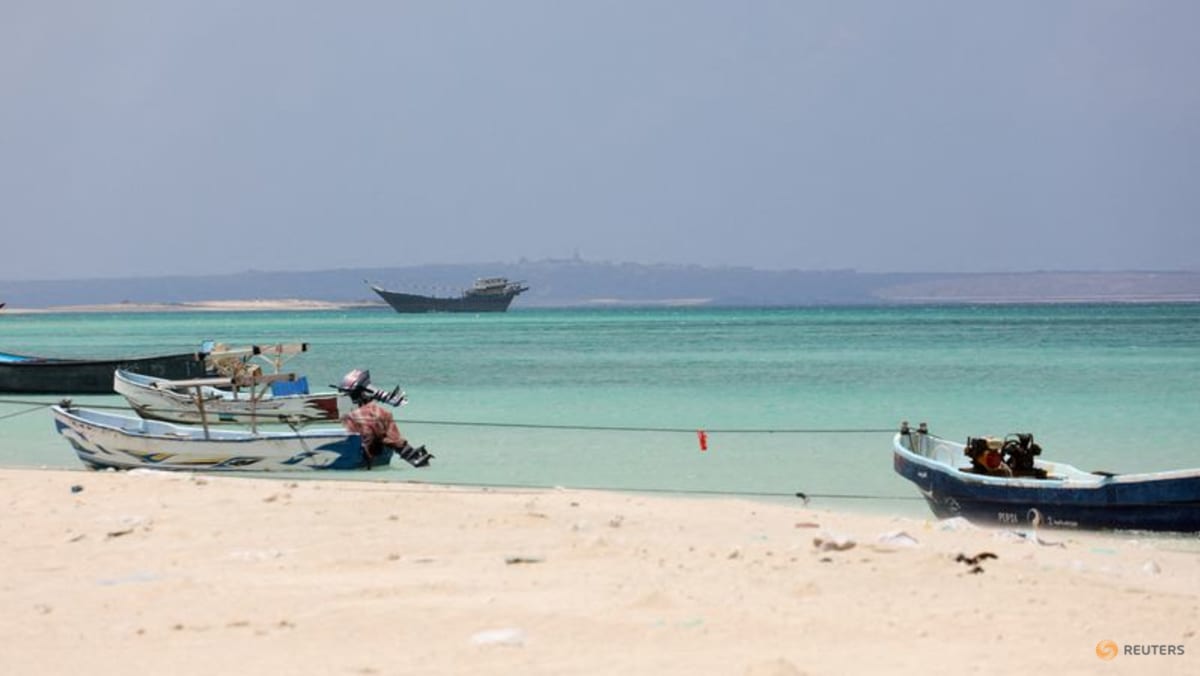
The Houthis have not publicly claimed responsibility, but the attack arrives less than a month after the rebels announced a maritime embargo against Saudi Arabia on Jul 20. The embargo was presented as a response to what the rebels call a Saudi siege, a claim Riyadh rejects.
What happened – a step‑by‑step account
- 08 Aug 2026 – The Tihamah departs al‑Mokha, a Yemeni government‑held port, on Saturday heading toward Djibouti after a stop in Salalah, Oman.
- 11 Aug 2026 (morning) – While at anchor northeast of Perim Island, the ship is struck by an unknown projectile.
- After the strike – The vessel loses control; Yemeni coastguard personnel intervene and are hit by a drone, injuring three rescuers.
- Later that day – Transport ministry officials confirm four crew members dead: three Pakistanis and one Indonesian.
Broader maritime context
Since the start of the Houthi campaign in 2023, shipping through the Bab el‑Mandeb and the wider Red Sea has been severely disrupted. Channel News Asia notes that traffic in the strait has fallen by more than 50 per cent compared with pre‑conflict levels. The impact deepened after the July embargo, with an average of 32 ships a day reported last week, down from an average of 50 before the blockade, according to Kpler data.
In the neighbouring Strait of Hormuz, the flow has also contracted dramatically – only six vessels passed on Monday, a sharp drop from a ten‑day average of about 11 and a pre‑war baseline of roughly 130 to 140. The twin chokepoints illustrate how regional rivalries are choking global trade routes.
| Metric | Before July embargo | After July embargo |
|---|---|---|
| Ships per day through Bab el‑Mandeb | ~50 | ~32 |
| Ships per day through Strait of Hormuz | 130‑140 (pre‑war) | 6 (most recent count) |
Official reactions and expert commentary
Yemen’s transport ministry, the source of the casualty figures, has not released a detailed statement beyond confirming the nationalities of the dead. The ministry also stressed that the crew lost control of the vessel after the strike, a detail echoed by Yemeni military sources who described the drone attack on rescuers.
The British maritime community, through UKMTO and Ambrey, has provided the only publicly available technical description of the incident – that an unknown projectile hit the ship while it was anchored. No claim of responsibility has emerged from the Houthis, and the rebels have historically used missiles and drones to target commercial shipping.
Charlie Brown, senior adviser at the U.S. Advocacy group United Against Nuclear Iran (UANI), offered a broader view of the escalating threat environment:
"The reported US disabling and stopping of the Panama‑flagged Vela Nova near the blockade line in the Gulf of Oman, after its recent Mumbai port call alongside these vessels, underscores the heightened scrutiny now being applied to Iran‑related shipping."
Charlie Brown, senior adviser, United Against Nuclear Iran, via Reuters
Brown’s comment, while focused on a separate U.S. Action against the Panama‑flagged container ship Vela Nova, highlights the overlapping layers of interdiction: Houthi attacks, U.S. Blockades, and regional naval patrols. The Vela Nova incident, reported by NZ Yahoo, would represent the 12th vessel targeted by U.S. Forces since an April blockade was announced, and the third since a re‑imposition on Jul 14.
Implications for the shipping industry
The loss of four crew members on a non‑Saudi‑owned vessel – LSEG data lists Egyptian companies as owners and managers – illustrates the widening scope of the conflict. Earlier Houthi attacks had largely focused on Saudi‑linked ships; the targeting of a vessel under Egyptian flag marks a potential shift toward a broader anti‑shipping campaign, according to maritime analysts cited by Ambrey.
Insurance premiums for Red Sea routes have already surged, and traders are rerouting through longer, costlier paths around the Cape of Good Hope. The reduction in ship movements, combined with the August attacks, forces shippers to reassess risk models and could pressure freight rates upward for the rest of the year.
What to watch next
- Official investigation – Yemen’s transport ministry is expected to commission a formal inquiry, which may shed light on the projectile’s origin.
- Houthi communications – The rebels’ silence on the attack leaves room for speculation; a future claim could influence diplomatic calculations.
- U.S. Naval posture – Following the Vela Nova incident, the United States may increase aerial patrols or expand the blockade’s enforcement zone.
- Regional diplomatic moves – Saudi Arabia and Iran have hinted at back‑channel talks; any de‑escalation could restore a portion of the traffic flow.
In the meantime, shipping companies, insurers, and governments will monitor the strait closely. The loss of life on the Tihamah not only underscores the human cost of the maritime war but also raises the stakes for any nation seeking to secure the vital arteries that sustain global commerce.
For ongoing coverage of Red Sea and Gulf developments, see our World section.
How significant is this development?
Contribute your assessment to the aggregated reader sentiment ledger.
Frequently Asked Questions
Key questions answered in this reportWhat is the key development in: Houthi strike kills four crew on Egyptian cargo vessel in Red Sea?
An Egyptian-owned cargo ship was struck by an unknown projectile in the Bab el-Mandeb strait, resulting in four crew fatalities and injuring three rescuers.
Why is this World development significant for the UK?
This report covers critical events in our World beat. Independent reporting monitors related UK statements, regulatory shifts, and public responses as further verified details emerge.
How was this reporting corroborated and verified?
Newsarchy UK compiles and cross-references reporting from primary reporting from channelnewsasia.com and cross-checked wire reports. All coverage adheres to published editorial standards.
When was this report published?
This briefing was published on August 11, 2026 and is permanently cataloged in the Newsarchy UK World archives.