Yemen's Houthis claim attack on Riyadh, heralding escalation in tensions with Saudi Arabia
Yemen's Houthi movement announced it struck Riyadh and Yanbu with missiles and drones, while Saudi authorities reported intercepting a missile.
- Core Development: Yemen's Houthi movement announced it struck Riyadh and Yanbu with missiles and drones, while Saudi authorities reported intercepting a missile.
- Beat Context: Categorized under World with independent corroboration.
- Reporting Depth: 5 minute analytical read synthesized from verified newsroom sources.
In a rare and alarming move, Yemen’s Iran‑backed Houthi movement announced that it had struck the Saudi capital Riyadh and the oil hub of Yanbu with a volley of ballistic missiles, cruise missiles and drones. Saudi authorities confirmed the interception of a missile aimed at the capital, but denied that any damage or casualties had occurred. The incident marks the first time the Houthis have claimed a strike on Riyadh since the July escalation, and it could trigger a new front in the wider Iran‑Saudi conflict that has already disrupted shipping through the Bab al‑Mandeb Strait.
The Houthi statement, broadcast on Xinhua and aired on al‑Masirah TV, described the operation as involving “a large number of ballistic and cruise missiles and drones.” According to Houthi military spokesperson Yahya Sarea, the first strike hit “sensitive sites” in Riyadh, while the second targeted an Aramco facility in Yanbu. Sarea said the attacks “were successful” and that “large fires broke out” at the sites.
Media additions

Saudi authorities, however, reported that their air defences intercepted and destroyed a ballistic missile fired at Riyadh early on Saturday, and that the city’s air defence system also thwarted attempts to target civilians in the cities of Bish, Taif, Farasan and Yanbu. No casualties or damage were confirmed. The coalition spokesperson Turki Al‑Maliki said the attacks were aimed at “civilians and civilian objects” and pledged “appropriate measures” to deter further strikes.
The incident is the latest in a series of Houthi operations that have expanded beyond Yemen’s borders. In mid‑July, the Houthis seized control of Yemen’s entire Red Sea coast, including the port of Mokha and the islands of Greater and Lesser Hanish, and imposed a maritime blockade on Saudi shipping through the Bab al‑Mandeb Strait.
| Claimed Target | Houthi Statement | Saudi Confirmation | Outcome |
|---|---|---|---|
| Riyadh – “Sensitive sites” | Large fires, missile and drone strike | Missile intercepted, no damage reported | Unverified |
| Yanbu – Aramco facility | Large fires, missile and drone strike | Intercepted, no damage reported | Unverified |
| Bish, Taif, Farasan | None (claimed) | Attacks foiled by air defences | No damage |
While the Houthis deny that they deliberately targeted civilians, they argue that the attacks are a response to “intensified Saudi airstrikes” on Houthi‑held areas in Yemen. The group has vowed to continue retaliatory operations under an “escalation for escalation” strategy until Saudi airstrikes cease and restrictions on Yemen are lifted.
The United Nations Security Council, in a statement issued on Friday, condemned the Houthi attacks on Saudi Arabia, describing them as “continued attacks that have impacted civilian and energy infrastructure.” The council called for all parties to enforce the UN arms embargo on the Houthis and to cooperate to prevent the group from acquiring further military assistance.
In the same week, the U.S. State Department warned Americans in the Middle East to exercise heightened vigilance, noting that the risk of flight cancellations and other travel disruptions had increased.
Saudi civil defence had issued emergency alerts overnight, warning residents of a “hostile aerial threat” over Riyadh and Al‑Kharj. The all‑clear was given shortly after the alerts, but residents were advised not to gather in crowds. The city’s main airport, the kingdom’s principal aviation hub, experienced temporary flight disruptions, though operations resumed later in the day.
The Houthis’ claim of a strike on the Yanbu Aramco facility is significant because the port serves as a major Saudi crude‑export hub and the terminus of the East‑West Pipeline that bypasses the Strait of Hormuz.
Experts warn that the escalation could spill into the wider region. The Vibes noted that the Houthis have also targeted Saudi cities, energy infrastructure and shipping in the Red Sea, raising concerns about the resilience of Saudi Arabia’s energy and transport infrastructure. The United Nations and other international actors have called for restraint, but the Houthis have signalled that they will continue their campaign until Saudi airstrikes stop.
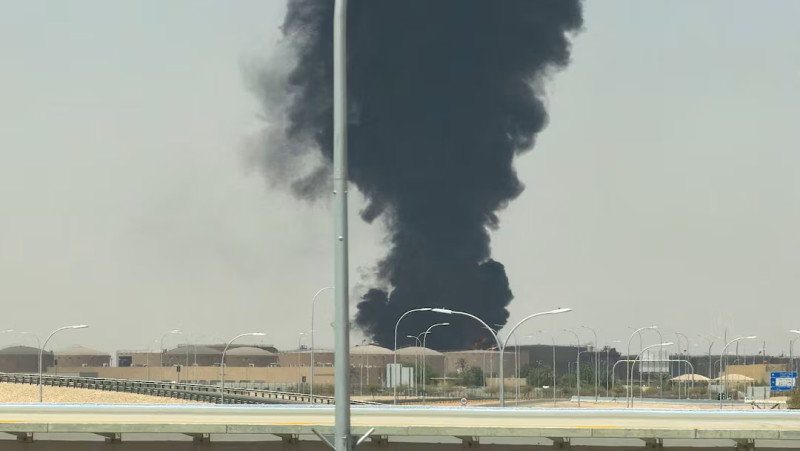
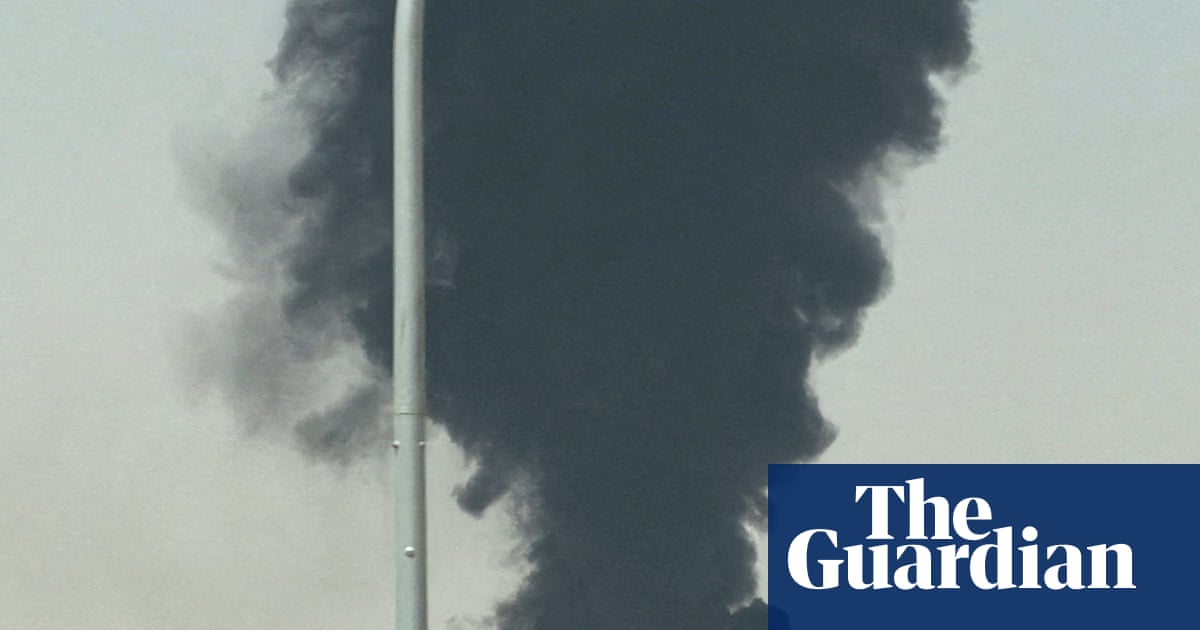
Meanwhile, the SBS and Smh reported that flames were seen behind fuel tanks at the airport, and that the Saudi civil defence had issued the first aerial threat alerts for Riyadh since the July escalation. The alerts were followed by a brief period of disruption at the airport, but no casualties were reported.
Iranian officials, including secretary of the Supreme National Security Council Mohsen Rezaei, have called for an end to the conflict. Rezaei said Tehran wanted the war between Saudi Arabia and the Houthis to end and that Yemenis also wanted a settlement. He added that Iran had conveyed its conditions for re‑engaging in stalled negotiations with the United States, including “ending the war on all fronts.”
Turkey’s foreign minister Hakan Fidan has expressed readiness to assist Saudi Arabia under a trilateral defence pact that includes Pakistan. Fidan said Saudi needs could include “some technical issues,” and that an armed attack on any of the three countries would be regarded as an attack on all of them.
In the broader context, the conflict has already forced Saudi vessels to reroute, and the United Nations Security Council has condemned the Houthis’ military escalation. The United Nations’ statement noted that the conflict has caused injury to civilians, including women and children, and called for all parties to enforce the arms embargo.
What to watch next
- Saudi Arabia’s next air defence operations and any confirmed damage at Yanbu or Riyadh.
- Reactions from the United Nations Security Council and potential sanctions against the Houthis.
- Market responses to any confirmed disruption of the East‑West Pipeline or Red Sea shipping routes.
- Any diplomatic outreach from Iran, Turkey or other regional actors to de‑escalate the conflict.
With the Houthis now claiming a strike on the Saudi capital, the risk of a broader regional spill‑over has risen sharply. The international community watches closely as Saudi Arabia and its coalition forces prepare to counter further Houthi attacks, while the Houthis signal that they will continue their retaliation until the Saudi campaign in Yemen ends. The next days will be critical in determining whether the conflict remains contained or expands into a wider confrontation that could disrupt global oil supplies and maritime trade through the Red Sea and the Bab al‑Mandeb Strait.
How significant is this development?
Contribute your assessment to the aggregated reader sentiment ledger.
Frequently Asked Questions
Key questions answered in this reportWhat is the key development in: Yemen's Houthis claim attack on Riyadh, heralding escalation in tensions with Saudi Arabia?
Yemen's Houthi movement announced it struck Riyadh and Yanbu with missiles and drones, while Saudi authorities reported intercepting a missile.
Why is this World development significant for the UK?
This report covers critical events in our World beat. Independent reporting monitors related UK statements, regulatory shifts, and public responses as further verified details emerge.
How was this reporting corroborated and verified?
Newsarchy UK compiles and cross-references reporting from primary reporting from bbc.com and cross-checked wire reports. All coverage adheres to published editorial standards.
When was this report published?
This briefing was published on September 20, 2026 and is permanently cataloged in the Newsarchy UK World archives.