Iran calls new US economic sanctions a declaration of war
Iranian officials have fiercely condemned new sweeping US economic sanctions as a declaration of war, pushing back against Donald Trump's territorial claims over the Strait of Hormuz.
- Core Development: Iranian officials have fiercely condemned new sweeping US economic sanctions as a declaration of war, pushing back against Donald Trump's territorial claims over the Strait of Hormuz.
- Beat Context: Categorized under World with independent corroboration.
- Reporting Depth: 3 minute analytical read synthesized from verified newsroom sources.
Officials in Tehran have issued fierce condemnations against sweeping new economic measures originating from Washington. According to reporting from Livemint, an Iranian spokesperson characterized the policy as a declaration of war directed at all foreign governments rather than an isolated financial dispute. This stark diplomatic escalation accompanies contentious territorial assertions by the White House concerning vital shipping lanes in the Middle East.
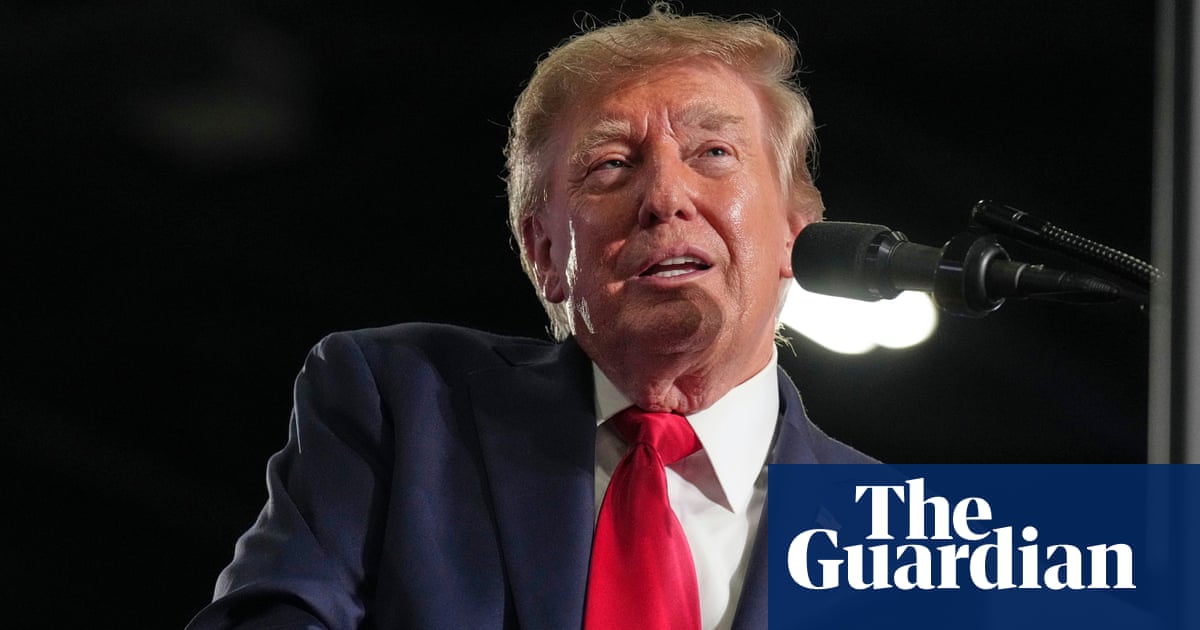
Speaking on Friday at a political rally in South Carolina, United States President Donald Trump asserted direct control over a critical global transit corridor. As The Guardian reported, the American leader declared that he views the waterway as sovereign land of the United States. Trump made the remarks during a campaign speech where he also joked about military strikes and discussed ongoing naval blockades that have heavily suppressed regional maritime traffic.
Iranian leadership swiftly rejected both the territorial claims and the accompanying financial penalties. Iranian Foreign Ministry spokesperson Esmaeil Baghaei argued that the latest US sanctions extend far beyond a standard economic conflict, framing the measures as an assault on the sovereignty of all nations. Meanwhile, Iranian Foreign Minister Abbas Araghchi dismissed the White House pressure campaign on social media. Araghchi emphasized that similar historical attempts at maximum economic squeeze have consistently collapsed, writing on X that the new operations are bound to fail.
International reactions to the financial blockade have revealed immediate geopolitical friction, particularly regarding Washington's demands on foreign trading partners. China officially pushed back against threats of sweeping financial penalties for nations engaging in commerce with Tehran, stating that such punitive measures fail to serve the interests of any involved party. Despite these diplomatic pushbacks, American officials maintain that financial pressure remains their most potent weapon. Vice President JD Vance noted that economic pressure is Washington's most effective tool, while Treasury Secretary Scott Bessent vowed to implement historic economic restrictions.
On the ground and at sea, the realities of the ongoing naval confrontation continue to disrupt international supply lines as the conflict approaches the six-month mark. Data from the United Kingdom Maritime Trade Operations indicates that commercial traffic moving through the strategic waterway remains severely restricted. Daily transits hover at a fraction of pre-war averages due to persistent military activity, unmanned aerial vehicle overflights, VHF hailing, and active mine dangers. Nevertheless, US Energy Secretary Chris Wright noted that military escorts have successfully facilitated the outbound transit of millions of barrels of oil and associated products via regional pipelines and sea routes.
Key Developments in the Iran Conflict
- Territorial Claims: The US administration has asserted effective control over the Strait of Hormuz, describing the strategic shipping lane as American territory amid an ongoing naval blockade.
- Economic Sanctions: Washington has pledged the toughest financial restrictions in history, drawing strong rebukes from Iranian officials who label the penalties a declaration of war against all governments.
- International Friction: Beijing has formally rejected US threats of secondary penalties against nations trading with Tehran, complicating Washington's broader financial isolation strategy.
- Maritime Traffic: Commercial vessel movements through the vital regional corridor remain heavily suppressed, operating at roughly twenty percent of normal pre-war volumes according to maritime monitoring reports.
As the standoff continues, the diplomatic stalemate persists without a formal peace agreement in sight. While the White House insists that Tehran is eager for an arrangement but unwilling to accept necessary terms, Iranian diplomats continue to brush off foreign pressure as ineffective rhetoric.
How significant is this development?
Contribute your assessment to the aggregated reader sentiment ledger.
Frequently Asked Questions
Key questions answered in this reportWhat is the key development in: Iran calls new US economic sanctions a declaration of war?
Iranian officials have fiercely condemned new sweeping US economic sanctions as a declaration of war, pushing back against Donald Trump's territorial claims over the Strait of Hormuz.
Why is this World development significant for the UK?
This report covers critical events in our World beat. Independent reporting monitors related UK statements, regulatory shifts, and public responses as further verified details emerge.
How was this reporting corroborated and verified?
Newsarchy UK compiles and cross-references reporting from primary reporting from livemint.com and cross-checked wire reports. All coverage adheres to published editorial standards.
When was this report published?
This briefing was published on August 22, 2026 and is permanently cataloged in the Newsarchy UK World archives.