Iran close to Hormuz reopening deal with Oman, but US blockade stalls it
Iran and Oman have reached a tentative shipping lane agreement for the Strait of Hormuz, though reopening hinges on resolving US opposition and fee disputes.
- Core Development: Iran and Oman have reached a tentative shipping lane agreement for the Strait of Hormuz, though reopening hinges on resolving US opposition and fee disputes.
- Beat Context: Categorized under World with independent corroboration.
- Reporting Depth: 4 minute analytical read synthesized from verified newsroom sources.
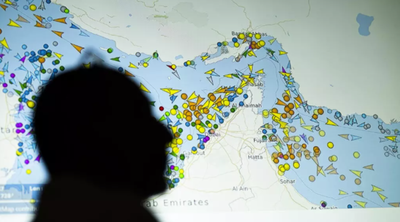
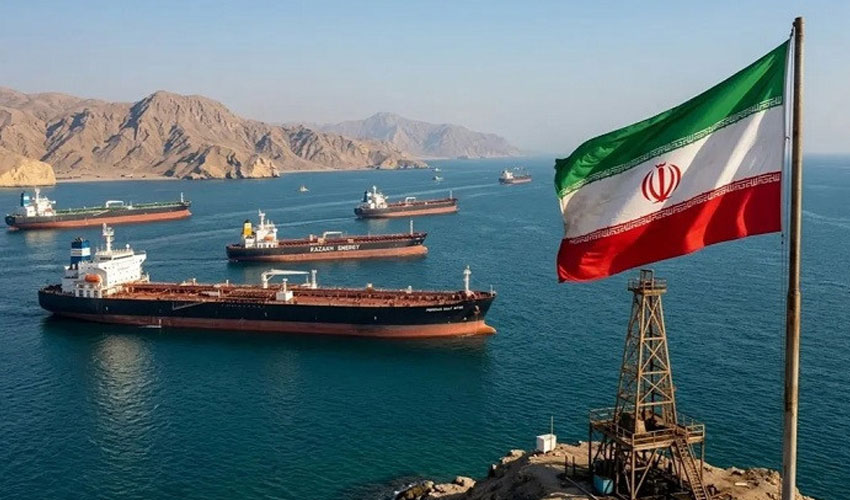
Iran and Oman have reached a tentative agreement on a defined shipping lane through the Strait of Hormuz, but Tehran insists that any real reopening hinges on Washington ending its naval blockade of Iranian ports. The development could shift the flow of roughly one‑fifth of the world’s oil‑and‑gas exports, yet the United States’ “aggressive and threatening actions,” as Iran’s foreign ministry puts it, remain a roadblock.
Iranian Foreign Ministry spokesman Esmaeil Baqaei told reporters that the two sides have settled on the geographic coordinates of the route and are polishing a joint statement. He warned that the agreement would not automatically make the strait safe for all vessels while the United States continues its “naval blockade and other aggressive and threatening actions.”
Media additions
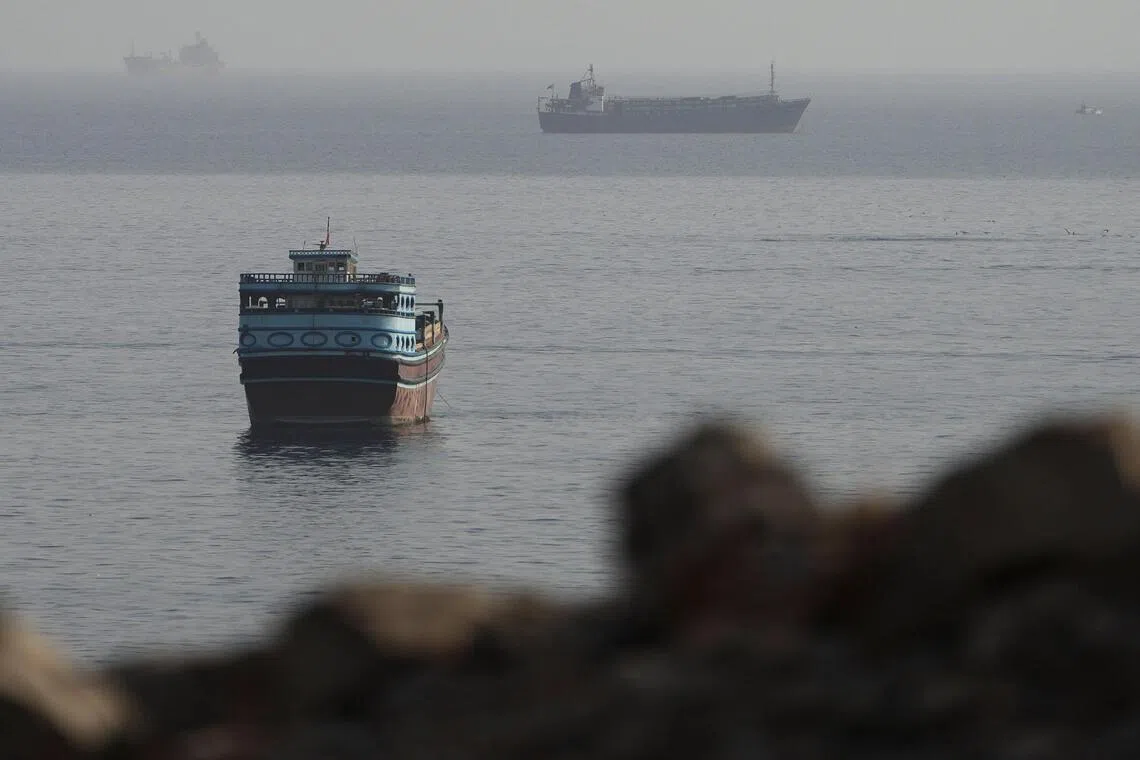

“The geographical coordinates of the route envisaged by the two sides have been agreed upon and, if certain third parties do not obstruct the process, the joint statement of the two countries, containing the main considerations and points of agreement, is also in the final review and drafting stage.”
Esmaeil Baqaei, Iranian Foreign Ministry spokesman, via Jacaranda FM
Washington’s position, however, is far from acquiescent. US officials have publicly ruled out any arrangement that would give Tehran control over traffic through the strait. A senior regional source told The Straits Times that “the concession has already been made regarding some form of control over Hormuz,” but that the United States “would never agree to Iran controlling access to the world’s most important trade route for energy supplies.”
The core of the disagreement lies in the proposed fee structure. Iran has floated a 7 % transit fee on all ships, exempting China and Russia, while Oman suggests a 3 % fee. The United States, in contrast, wants the strait to remain fee‑free.
| Party | Proposed Transit Fee | Exemptions |
|---|---|---|
| Iran | 7 % | China, Russia |
| Oman | 3 % | None reported |
| United States | None | None |
Iran’s Deputy Foreign Minister Kazem Gharibabadi reiterated that the arrangement would see “commercial ships will pass through Iranian territorial waters, both on the inbound and outbound legs.” He added that Tehran had received “messages from the United States indicating that it was fully prepared to return to its commitments” under a mid‑June memorandum of understanding, a condition he said was essential for the strait’s reopening.
U.S. Officials have pushed back on that narrative. A senior US official told Al Jazeera that “any temporary routes through the Strait of Hormuz will be without obstacles, permits, approvals or fees,” emphasizing that “no single party controls navigation.” The same source stressed that the United States does not recognize any sovereign claim over the waterway.
“Any temporary routes through the Strait of Hormuz will be without obstacles, permits, approvals or fees.”
U.S. official, via Livemint
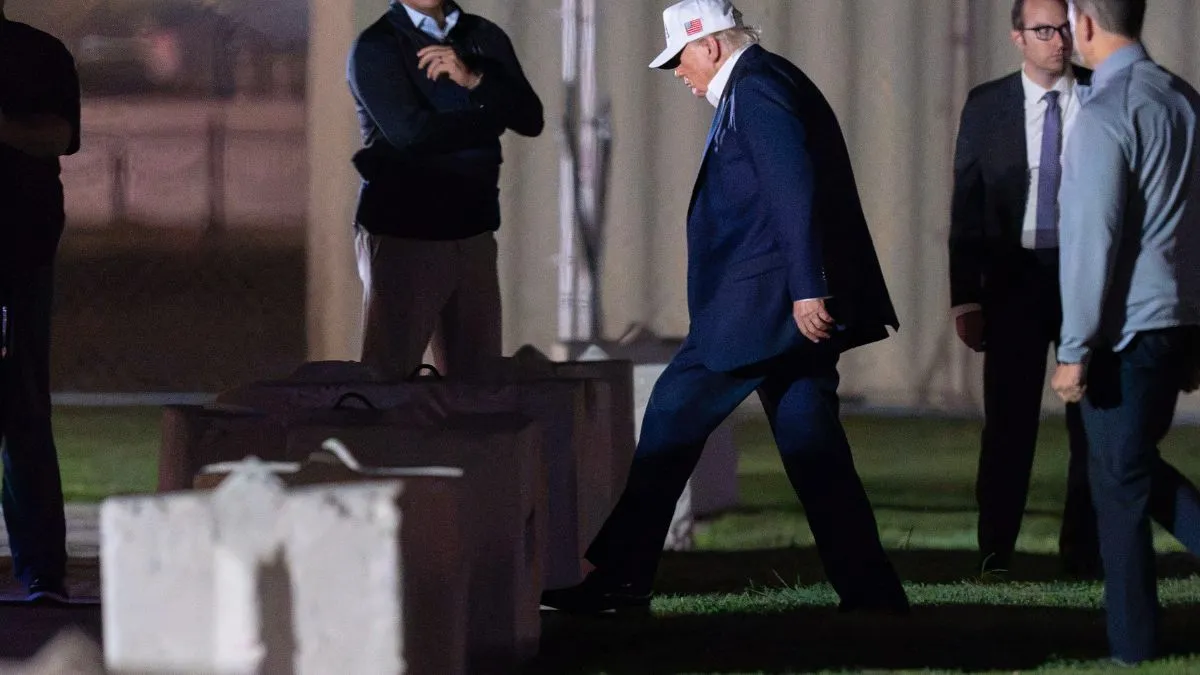
President Donald Trump has repeatedly signalled that a deal could be announced “as early as Wednesday,” even travelling to California to tell reporters “It could happen. Tomorrow or the next day. A lot of progress has been made.” Yet his comments clash with the on‑the‑ground realities that both Iranian and regional sources describe as “significant issues remain unresolved.”
“It could happen. Tomorrow or the next day. A lot of progress has been made.”
Donald Trump, via Livemint
Complicating the diplomatic dance are fresh security incidents. A tanker captain reported hearing two explosions nine nautical miles southeast of Kumzar, Oman, after which the vessel continued safely, according to the UK Maritime Trade Operations centre. Yemen’s Houthi rebels, aligned with Iran, have also claimed missile strikes on Saudi tankers in the Red Sea and Gulf of Aden, underscoring the volatile security environment that any shipping lane would have to navigate.
International maritime bodies have weighed in. Eight of the world’s largest shipping associations sent a joint letter to the United Nations and the International Maritime Organization urging them to block any mandatory tolls, warning that “compulsory charges could set a dangerous global precedent.”
While the Iran‑Oman talks focus on the technicalities of inbound and outbound lanes, a senior Iranian source reported that Iran wants “visibility over outbound traffic, with the ability to intervene if necessary,” a clause that could grant Tehran de facto control over the entire strait.
Regional actors are not silent. Gulf sources told Reuters that Iran has warned any new US attack would trigger retaliation against Gulf energy facilities, a pressure tactic meant to raise the cost of further military action. Meanwhile, Oman has proposed that ships exiting the Gulf would obtain clearance from Muscat after notifying Iran, suggesting a hybrid management model.
Timeline of key developments
- 28 February 2024 – United States and Israel launch war against Iran, initiating the naval blockade.
How significant is this development?
Contribute your assessment to the aggregated reader sentiment ledger.
Frequently Asked Questions
Key questions answered in this reportWhat is the key development in: Iran close to Hormuz reopening deal with Oman, but US blockade stalls it?
Iran and Oman have reached a tentative shipping lane agreement for the Strait of Hormuz, though reopening hinges on resolving US opposition and fee disputes.
Why is this World development significant for the UK?
This report covers critical events in our World beat. Independent reporting monitors related UK statements, regulatory shifts, and public responses as further verified details emerge.
How was this reporting corroborated and verified?
Newsarchy UK compiles and cross-references reporting from primary reporting from livemint.com and cross-checked wire reports. All coverage adheres to published editorial standards.
When was this report published?
This briefing was published on August 6, 2026 and is permanently cataloged in the Newsarchy UK World archives.