Iran and Oman reach understanding on Strait of Hormuz shipping route coordinates
Iran and Oman have agreed on shipping route coordinates in the Strait of Hormuz, though divisions remain over US blockades and mandatory transit fees.
- Core Development: Iran and Oman have agreed on shipping route coordinates in the Strait of Hormuz, though divisions remain over US blockades and mandatory transit fees.
- Beat Context: Categorized under World with independent corroboration.
- Reporting Depth: 3 minute analytical read synthesized from verified newsroom sources.
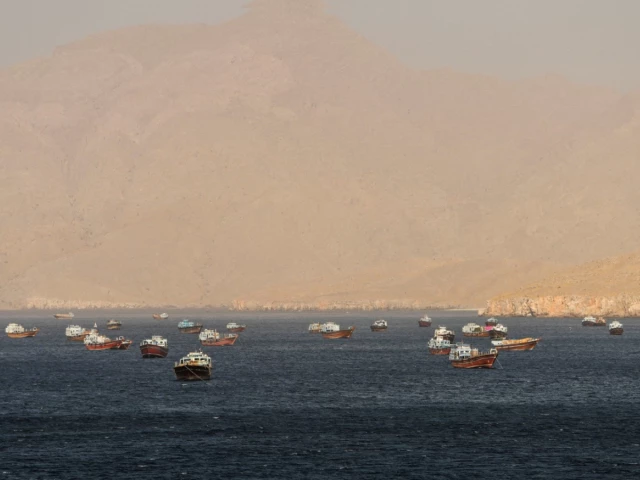
Iran and Oman have reached a mutual understanding on the geographical coordinates of a shipping route through the strategic Strait of Hormuz, according to statements reported on Wednesday, August 5, 2026. A joint announcement is being finalized, provided that third parties do not interfere, according to Iranian Foreign Ministry spokesperson Esmaeil Baghaei.
The proposed framework would grant Tehran an expanded role in regulating commercial shipping entering the Persian Gulf, marking a substantial shift in regional maritime arrangements. According to a senior Iranian source and regional officials cited by Reuters, negotiations have centered on how authority over vessels transiting the strait would be defined, with proposals covering technical, legal, security, and environmental points.
Media additions
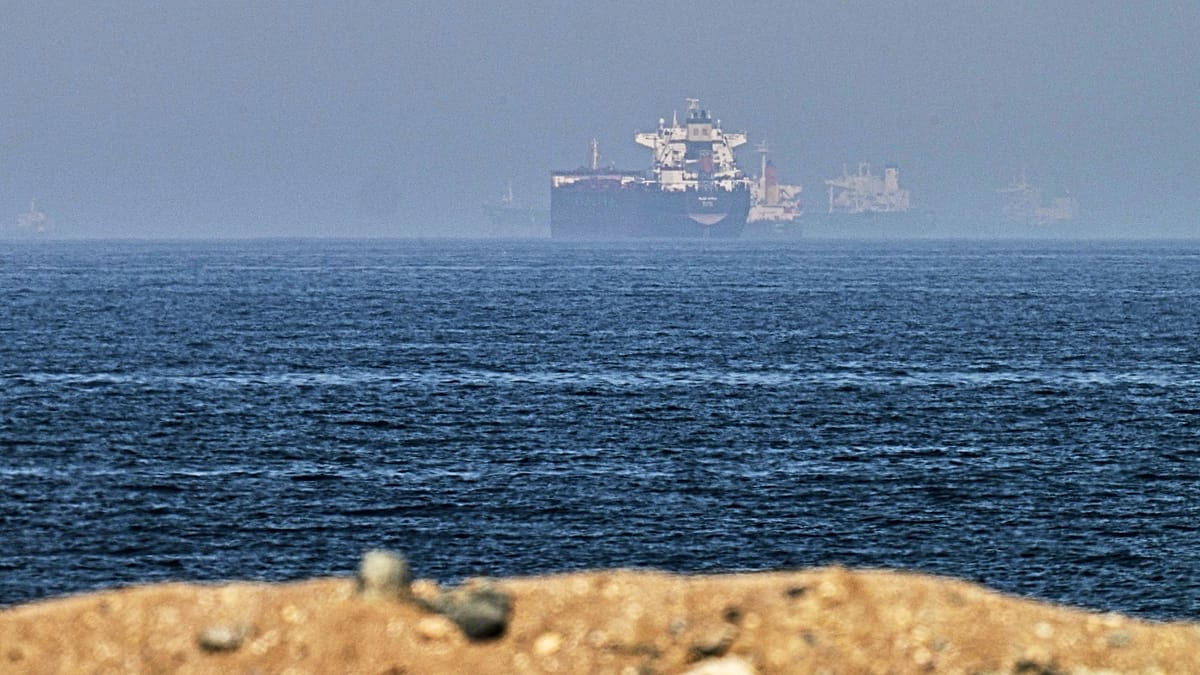

Yet a deep divide persists over who controls the waterway. While Washington insists that any temporary navigation arrangement must preserve freedom of navigation without requiring permits, approvals, or transit charges, a US official told Livemint that temporary routes would operate without obstacles or fees. Furthermore, eight of the world's largest shipping associations recently wrote to United Nations Secretary-General António Guterres and International Maritime Organization Secretary-General Arsenio Dominguez to oppose any mandatory transit tolls. The associations warned that compulsory charges would set a dangerous global precedent and undermine international maritime law.
Iranian officials stressed that any bilateral understanding with Oman does not mean the immediate reopening of the waterway. As reported by Euronews and other outlets, Tehran maintains that the full resumption of traffic hinges on the United States ending its naval blockade of Iranian ports and altering what it terms ongoing violations. Iranian state media emphasized that the negotiations were conducted exclusively between Tehran and Muscat and had nothing to do with the United States.
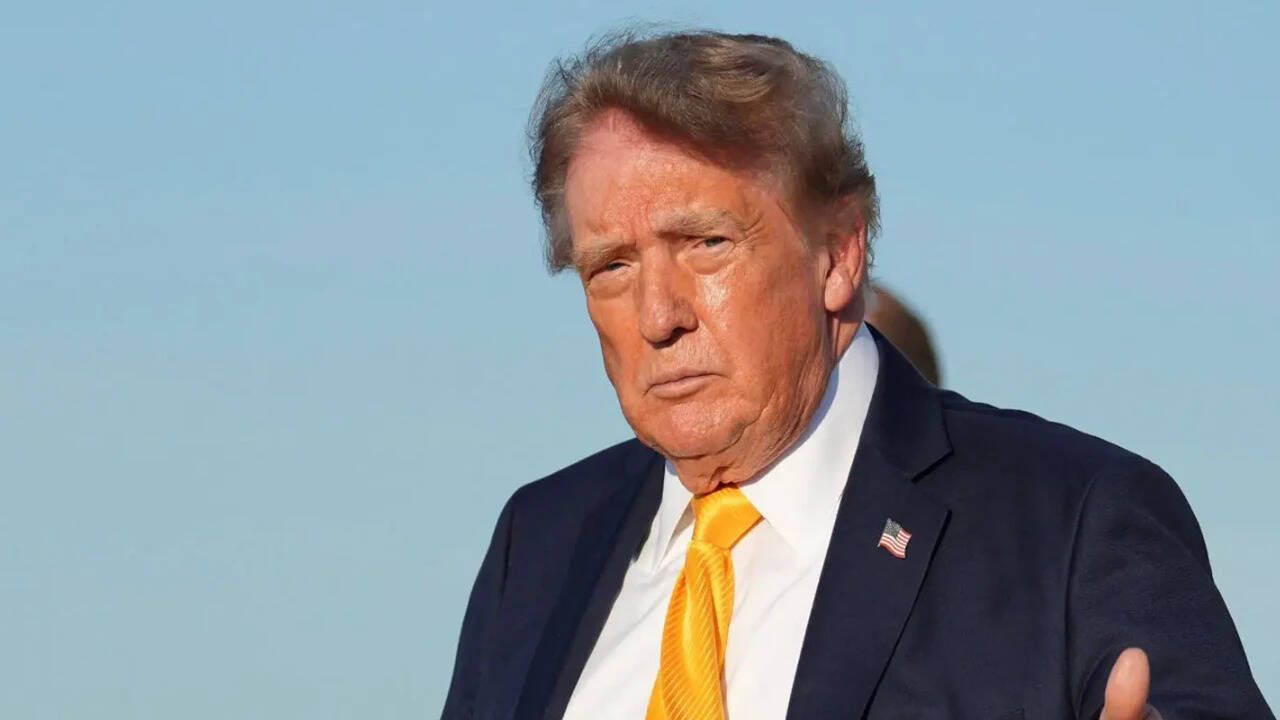
Contradictory signals have marked the diplomatic track. US President Donald Trump told Fox News that negotiations are moving along very nicely and that the strait could reopen imminently, warning of severe consequences if talks fail. Conversely, Iranian officials dismissed claims of direct talks with Washington, insisting negotiations occurred exclusively with Muscat. Israeli officials expressed skepticism over the US diplomatic push, suggesting Washington sought an agreement at any cost, while noting that Israel was receiving updates primarily through indirect channels.
Meanwhile, regional violence continues to impact energy transit. Yemen’s Houthi movement claimed missile attacks against Saudi oil tankers in the Red Sea, intensifying a separate maritime blockade that has forced vessels to alter routes and driven up Brent crude prices. Houthi military spokesperson Yahya Saree stated that the group struck the Saudi oil tanker Wafaa with ballistic missiles off the coast of Yanbu, bringing the reported number of targeted tankers up significantly since the blockade began. Oil prices climbed following the reports, with Brent crude rising to $80.10 a barrel.
Key Issues in the Hormuz Talks
- Coordinates Agreement: Iran and Oman reached a mutual understanding on geographical parameters for shipping lanes.
- Disputed Fees: Proposals include transit fees sought by Tehran, while Washington and international shipping associations reject mandatory tolls.
- Blockade Condition: Tehran insists that reopening the strait requires an end to the US naval blockade and a change in US behavior.
- Differing Timelines: US leadership has projected an imminent reopening, whereas Iranian state media warns that US interference will delay formal announcements.
Negotiations remain fluid as regional stakeholders evaluate the proposed navigation model. President Trump remarked that authorities would know the outcome within a short window, while Iranian officials maintained that formal joint statements depend entirely on the cessation of outside obstruction.
How significant is this development?
Contribute your assessment to the aggregated reader sentiment ledger.
Frequently Asked Questions
Key questions answered in this reportWhat is the key development in: Iran and Oman reach understanding on Strait of Hormuz shipping route coordinates?
Iran and Oman have agreed on shipping route coordinates in the Strait of Hormuz, though divisions remain over US blockades and mandatory transit fees.
Why is this World development significant for the UK?
This report covers critical events in our World beat. Independent reporting monitors related UK statements, regulatory shifts, and public responses as further verified details emerge.
How was this reporting corroborated and verified?
Newsarchy UK compiles and cross-references reporting from primary reporting from pakistantimesusa.net and cross-checked wire reports. All coverage adheres to published editorial standards.
When was this report published?
This briefing was published on August 6, 2026 and is permanently cataloged in the Newsarchy UK World archives.