Iran rejects Trump claims of US control over Hormuz as 'lies
Iran's military command dismissed former US President Donald Trump's assertion of total control over the Strait of Hormuz as fabrications. Iranian officials insist that commercial vessels must obtain permission and pay transit fees to navigate the passage.
Iran rejects Trump claims of US control over Hormuz as 'lies
EXECUTIVE BRIEFKey Takeaways & Signal
Core Development: Iran's military command dismissed former US President Donald Trump's assertion of total control over the Strait of Hormuz as fabrications. Iranian officials insist that commercial vessels must obtain permission and pay transit fees to navigate the passage.
Beat Context: Categorized under World with independent corroboration.
Iran rejects Trump claims of US control over Hormuz as ‘lies’
On 13 August 2026 Iran’s central military command spokesperson publicly dismissed former President Donald Trump’s assertion that the United States “has total control” of the Strait of Hormuz, calling the remark “nothing more than lies and fabrications”. The exchange comes as the war that began on 28 February 2026 has forced commercial vessels to obtain Iranian permission and pay transit fees before navigating the narrow passage that links the Persian Gulf with the Gulf of Oman.
Key statements
"The false claims of the United States that ships are passing through the Strait of Hormuz normally ... are nothing more than lies and fabrications,"
Media additions
Image via nzherald.co.nzImage via samaa.tv
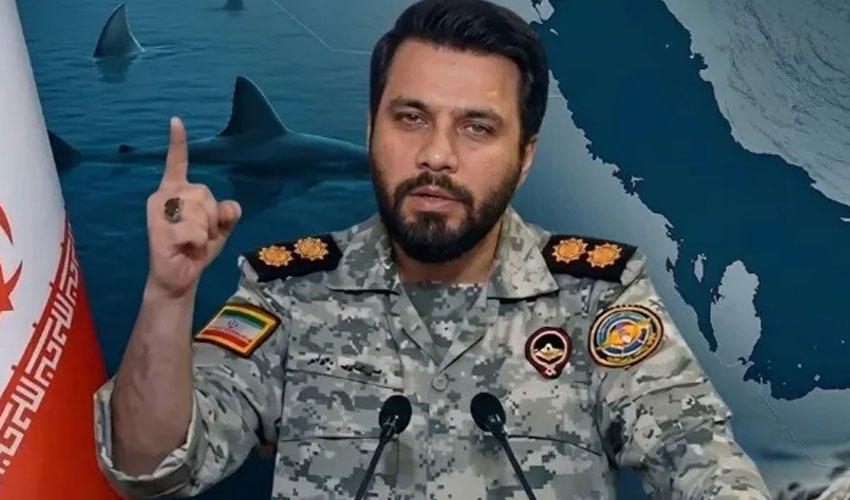
Ebrahim Zolfaghari, spokesperson for Iran’s Khatam‑al‑Anbiya Central Headquarters, via Channel News Asia
Zolfaghari continued in a state‑television video that no commercial ship or tanker can safely pass the strait without “the permission and supervision of the powerful Iranian armed forces”. He added that any Iranian response to a threat would be “heavier and more crushing”.
"Today, you see that the Strait of Hormuz is under the management and control of the Islamic Republic, and our country continues on its path in complete security,"
Hossein Taeb, head of Iran’s Basij paramilitary, via Channel News Asia
"The US has long miscalculated due to intelligence failures. Case in point: the war on Iran. Now, an even bigger miscalculation on the Strait of Hormuz,"
Abbas Araghchi, Iran’s foreign minister, via Channel News Asia
"Ships belonging to the Zionist regime will not have the right to pass through the Strait of Hormuz under any circumstances, whether in war or peacetime,"
Behnam Saeedi, Iranian parliamentarian, via Channel News Asia
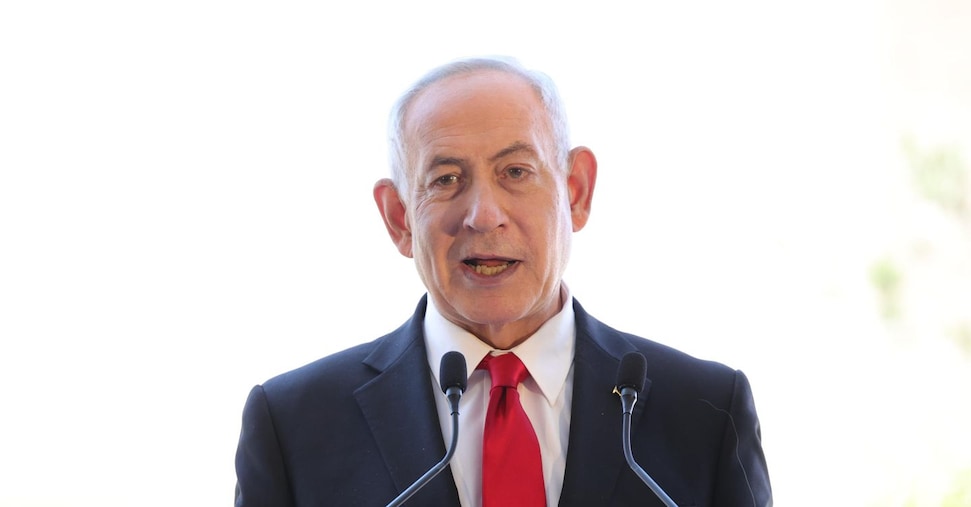
Trump posted on Truth Social on 12 August 2026 that the United States “has total control over the Strait of Hormuz. I THINK WE WILL KEEP IT!” He added that the naval blockade is being called a “WALL OF STEEL” and that “there is nothing Iran can do about it”.
Official angles from different outlets
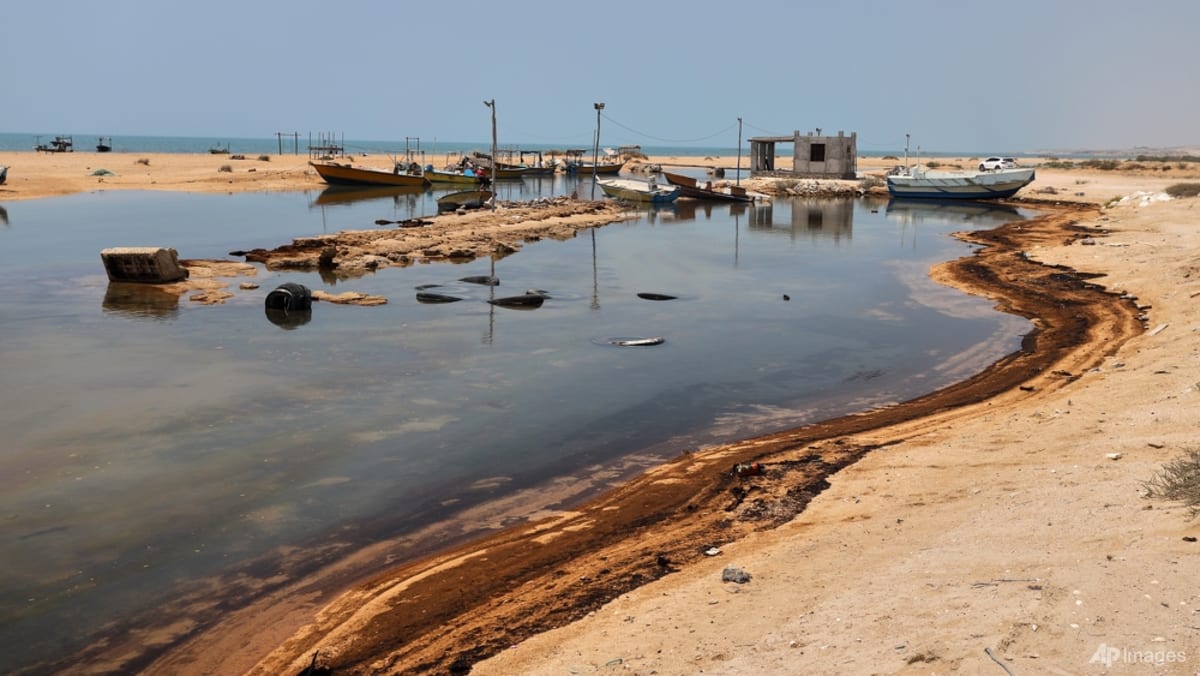
Channel News Asia framed the clash as a direct rebuttal of Trump’s social‑media claim, pairing the Iranian video with a photograph of oil‑stained shores on Qeshm Island. The outlet’s article foregrounds the “lies and fabrications” label and repeats each official’s statement in full.
Samaa TV expanded the narrative, noting that Zolfaghari described the American claim as “desperation and confusion of the American military” and warned that US forces have “long experienced the strength and resolve of Iran’s people and armed forces”. The channel also quoted Zolfaghari saying Iran maintains “full surveillance over all movements by US and Israeli forces throughout the region”.
Chronology and context
28 February 2026 – Joint US‑Israeli strikes on Iranian territory trigger Tehran’s decision to tighten control of the Strait, requiring vessel‑by‑vessel permission and transit fees.
12 August 2026 – Trump’s Truth Social post declares US “total control” and describes a “wall of steel”.
13 August 2026 – Zolfaghari’s televised rebuttal labels the claim “lies and fabrications”. The same day Basij chief Taeb reaffirms Iranian management, foreign minister Araghchi attacks US intelligence, and parliamentarian Saeedi bars Israeli and US ships.
Diplomatic dimension
Iran and Oman have been conducting talks on an alternative maritime corridor that would bypass the main channel. Both sides have stressed that any new route would not automatically reopen the strait for US or Israeli vessels unless “the US meets Iran’s demands”, a phrase repeated in all three reports. The negotiations remain unfinished, leaving the status of a secondary passage uncertain.
Tehran’s officials have repeatedly warned that the strait will stay closed to “Zionist” and American warships.
READER INTELLIGENCE PULSE
How significant is this development?
Contribute your assessment to the aggregated reader sentiment ledger.
Click an option to register your anonymous assessment.
Frequently Asked Questions
Key questions answered in this report
What is the key development in: Iran rejects Trump claims of US control over Hormuz as 'lies?
Iran's military command dismissed former US President Donald Trump's assertion of total control over the Strait of Hormuz as fabrications. Iranian officials insist that commercial vessels must obtain permission and pay transit fees to navigate the passage.
Why is this World development significant for the UK?
This report covers critical events in our World beat. Independent reporting monitors related UK statements, regulatory shifts, and public responses as further verified details emerge.
How was this reporting corroborated and verified?
Newsarchy UK compiles and cross-references reporting from primary reporting from samaa.tv and cross-checked wire reports. All coverage adheres to published editorial standards.
When was this report published?
This briefing was published on August 14, 2026 and is permanently cataloged in the Newsarchy UK World archives.