Iran warns of Gulf infrastructure strikes as Strait of Hormuz red line
Tehran has vowed retaliatory strikes against regional energy and transport assets as direct military engagement with the United States intensifies.
- Core Development: Tehran has vowed retaliatory strikes against regional energy and transport assets as direct military engagement with the United States intensifies.
- Beat Context: Categorized under World with independent corroboration.
- Reporting Depth: 3 minute analytical read synthesized from verified newsroom sources.
Tehran declared the Strait of Hormuz an inviolable "red line" on Thursday, 16 July 2026, as military hostilities between Iran and the United States escalated into a fifth night of direct engagement. Following a collapse of a previously established truce, Iran has warned that any further strikes against its infrastructure by the United States will trigger a retaliatory campaign targeting regional energy and transport assets across the Gulf.
The current volatility follows a series of American strikes that began on 15 July 2026, aimed at neutralizing Iranian coastal defense systems and missile capabilities. According to the United States military, the operational focus remains on forcibly reopening the Strait of Hormuz, a critical maritime artery that had been closed by Iranian authorities on 11 July 2026. US Central Command reported hitting targets across Bandar Abbas, including key naval facilities, as well as sites on Greater Tunb Island. The military also confirmed the disabling of an oil tanker near Kharg Island after it failed to comply with transit warnings issued during the reimposed naval blockade.
Media additions
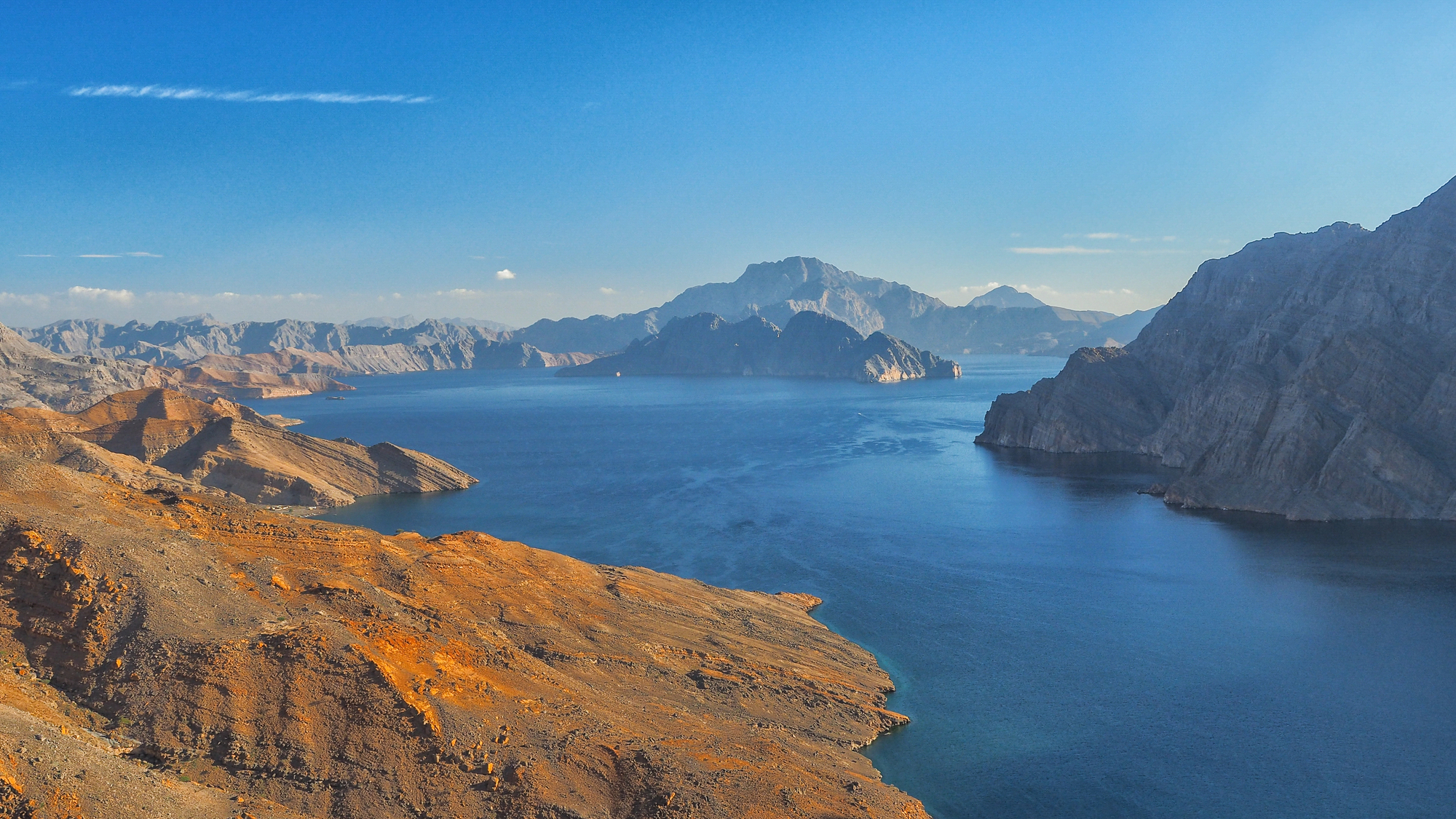
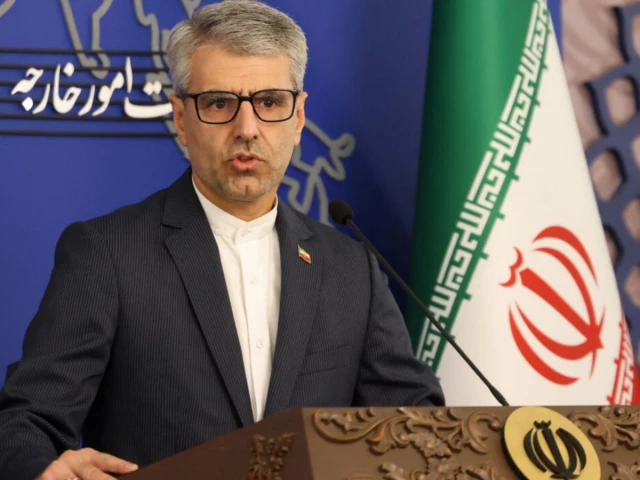
Iranian officials have framed the confrontation as an existential struggle. Mohammad Baqer Qalibaf, Tehran’s lead negotiator, stated that the country is currently engaged in an "essential and existential war with America." Regarding the strategic importance of the waterway, Brigadier-General Mohammad Akraminia, spokesperson for the Iranian army, asserted that Iran’s ability to influence traffic in the strait is absolute. The Islamic Republic of Iran has the ability to exert control over the Strait of Hormuz from every single point of its territory, and this matter is never dependent on coasts and islands,
Akraminia said.
Regional Escalation and Retaliation
The conflict has expanded beyond the immediate Iranian border, with Tehran launching strikes against US military assets stationed in neighboring nations. On 16 July 2026, Iranian forces targeted the Al Azraq Air Base in Jordan, with the Islamic Revolutionary Guard Corps claiming the destruction of a command and control center and a storage ramp for fighter jets. Simultaneously, attacks were reported against the Ali Al Salem Air Base in Kuwait, where Iranian media alleged that satellite communications and early warning radar systems were neutralized using suicide drones.
Regional responses have been swift. The Bahraini Defence Ministry confirmed its air defense systems intercepted and destroyed multiple incoming aerial threats targeting the kingdom. In Jordan, the military announced it had intercepted eight ballistic missiles, confirming that debris fell in several locations but resulted in no casualties. The Jordanian military stated it remains on full alert to protect its sovereignty.
The intensification of the conflict has also drawn condemnation from Iranian officials regarding the humanitarian impact of US strikes. Tehran’s Foreign Ministry spokesperson, Esmaeil Baghaei, accused the United States of a "barbaric attack" following strikes near the Shahid Baqaei Hospital in Ahvaz, which houses a pediatric cancer center. The facility required an emergency evacuation of patients.
Diplomatic Impasse
The military exchange effectively sidelines a 14-point memorandum of understanding signed between Washington and Tehran in June 2026. Iranian military spokespeople maintain that the only path to reopening the Strait of Hormuz involves full US compliance with that memorandum and the adoption of "Iranian regulations" for maritime traffic. Conversely, President Donald Trump has demanded that Tehran resume negotiations, threatening to strike additional power plants and bridges if the Iranian leadership refuses.
While the broader situation remains critical, a minor diplomatic development occurred on 16 July 2026, when Iran permitted the departure of a detained American national, Dena Karari. President Trump acknowledged the release as a gesture of goodwill.
What to Watch Next
- Energy Markets: Analysts continue to monitor for potential shifts in global oil supplies, as Brent crude reached a one-month high on 15 July 2026.
- Red Sea Security: Observers are tracking reports that Iran may activate Houthi allies to target the Bab el-Mandeb gateway, potentially opening a second front in the conflict.
- Iraqi Disarmament: The 30 September 2026 deadline for pro-Iran armed groups in Iraq to disarm remains a focal point for regional stability, despite ongoing US-Iran tensions.
- Military Rules of Engagement: Regional neighbors, including Jordan, have warned that they will continue to enforce strict airspace monitoring, with military protocols in place to address any perceived violations of national sovereignty.
How significant is this development?
Contribute your assessment to the aggregated reader sentiment ledger.
Frequently Asked Questions
Key questions answered in this reportWhat is the key development in: Iran warns of Gulf infrastructure strikes as Strait of Hormuz red line?
Tehran has vowed retaliatory strikes against regional energy and transport assets as direct military engagement with the United States intensifies.
Why is this World development significant for the UK?
This report covers critical events in our World beat. Independent reporting monitors related UK statements, regulatory shifts, and public responses as further verified details emerge.
How was this reporting corroborated and verified?
Newsarchy UK compiles and cross-references reporting from primary reporting from tribune.com.pk and cross-checked wire reports. All coverage adheres to published editorial standards.
When was this report published?
This briefing was published on July 16, 2026 and is permanently cataloged in the Newsarchy UK World archives.