Iran Halts Fujairah Oil Shipments as US Conflict Escalates in Strait
Military escalations between the US and Iran have led to a halt in oil shipments from the port of Fujairah, fueling fears of a blockade in critical maritime straits.

- Core Development: Military escalations between the US and Iran have led to a halt in oil shipments from the port of Fujairah, fueling fears of a blockade in critical maritime straits.
- Beat Context: Categorized under World with independent corroboration.
- Reporting Depth: 3 minute analytical read synthesized from verified newsroom sources.
The strategic landscape of global energy transit faces an acute crisis as of Tuesday, 14 July 2026. Following days of intensifying military exchanges, Iran has effectively halted oil shipments out of the United Arab Emirates port of Fujairah. This development, coupled with a collapse of de-escalation efforts in Yemen, has pushed regional maritime security into an unprecedented state of volatility.
Escalation in the Gulf
The latest phase of the conflict involves a shift in strategy by the United States, which Nakedcapitalism reports is no longer relying on economic incentives but has moved to a "deterrence by punishment" approach. This policy involves US responses to every attack on shipping by directly targeting Iranian military sites and coastal facilities. Iran has reciprocated by expanding its target list to include US military assets in Bahrain and maritime infrastructure near the Strait of Hormuz and Oman.
Media additions

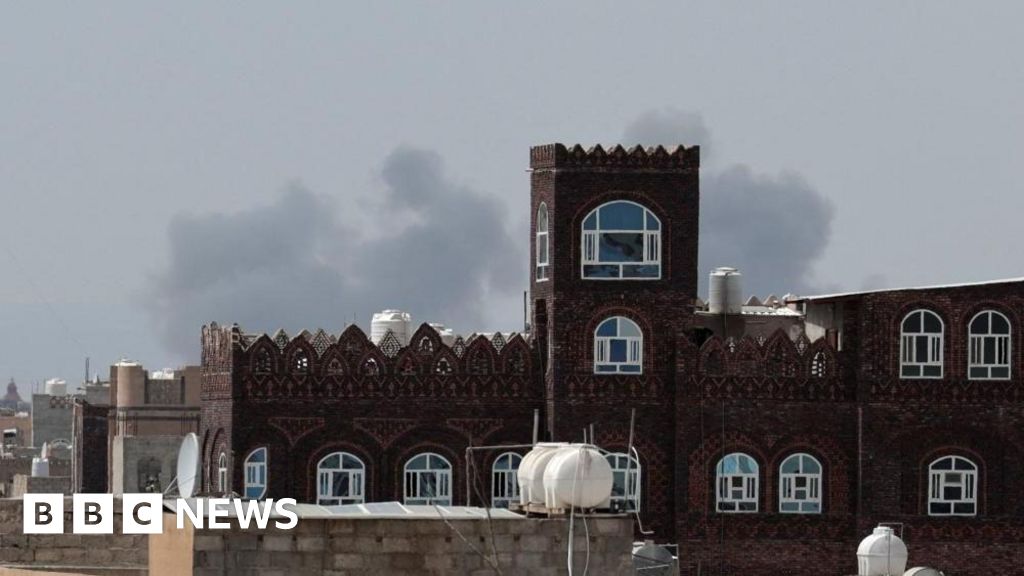
The impact on shipping is tangible. Reports indicate that traffic in the Strait of Hormuz has slowed significantly, with few tankers completing crossings in recent days. The situation at the port of Fujairah is particularly grave, as analysts note that any expansion of Iranian operations into this area threatens to shut in millions of barrels per day of crude. The instability is already being reflected in energy markets, as front-month futures for gasoline have seen upward pressure.
The Yemen Front and the Bab el-Mandeb
Simultaneously, the fragile peace between Saudi Arabia and Houthi rebels in Yemen has dissolved. On Monday, 13 July 2026, the Sanaa International Airport runway was struck, an act the internationally recognized Yemeni government claimed was intended to prevent an Iranian flight from landing. The Houthis, however, viewed this as a clear violation of their sovereignty and a return to open hostilities.
In swift retaliation, the Houthis launched missile and drone strikes against Abha International Airport in Saudi Arabia. Brig. Gen. Yahya Saree, speaking for the Houthis, warned airlines to avoid Saudi airspace until the blockade on Sanaa is lifted. The Associated Press notes that this represents the most significant escalation since the Saudi-led coalition began its intervention years ago. The potential closure of the Bab el-Mandeb strait by the Houthis, in coordination with Iranian efforts in the Strait of Hormuz, creates a dual-chokehold scenario that threatens the global movement of both energy and food commodities.
Regional and Global Outlook
The United Nations has voiced deep alarm regarding the potential for wider contagion. Assistant Secretary-General for political affairs Khaled Khiari addressed an emergency meeting of the Security Council, warning that the region cannot afford another cycle of escalation. Despite these calls for dialogue, military maneuvers suggest a deepening of the conflict.
The following timeline captures the recent breakdown of regional stability:
- Early July 2026: Tensions flare over Iranian aircraft access to Yemen; US-Iran maritime clashes intensify in the Strait of Hormuz.
- Monday, 13 July 2026: Airstrikes target the runway at Sanaa International Airport; Houthi forces retaliate with strikes on Abha International Airport in Saudi Arabia.
- Tuesday, 14 July 2026: Iran halts oil shipments from the port of Fujairah and continues strikes against US assets in Bahrain; shipping industry warns of severe disruptions.
What to Watch Next
Observers are focused on several critical factors in the coming days:
- Shipping Insurance Premiums: Analysts warn that as risk increases, insurance costs could become prohibitive, forcing more vessels to divert around the Cape of Good Hope, which adds weeks to transit times.
- The Status of the Bab el-Mandeb: Whether the Houthis follow through on their threats to formally seal this southern gateway to the Red Sea.
- US-Iran Diplomatic Positioning: While Oman has signaled that "complex talks" are underway to establish a framework for maritime safety, experts are skeptical that meaningful de-escalation can occur under the current "deterrence by punishment" strategy.
As the standoff persists, the inability of markets to fully price in the severity of these events has left analysts like Jeff Currie questioning the resilience of the global trade system in the face of what appears to be a systemic shift toward regionalized energy security and defense spending.
Updates on the maritime situation can be tracked through the World coverage section, while ongoing developments in the US-Iran relationship, including the status of potential tolls on shipping, will be monitored as they unfold.
How significant is this development?
Contribute your assessment to the aggregated reader sentiment ledger.
Frequently Asked Questions
Key questions answered in this reportWhat is the key development in: Iran Halts Fujairah Oil Shipments as US Conflict Escalates in Strait?
Military escalations between the US and Iran have led to a halt in oil shipments from the port of Fujairah, fueling fears of a blockade in critical maritime straits.
Why is this World development significant for the UK?
This report covers critical events in our World beat. Independent reporting monitors related UK statements, regulatory shifts, and public responses as further verified details emerge.
How was this reporting corroborated and verified?
Newsarchy UK compiles and cross-references reporting from primary reporting from apnews.com and cross-checked wire reports. All coverage adheres to published editorial standards.
When was this report published?
This briefing was published on July 14, 2026 and is permanently cataloged in the Newsarchy UK World archives.


