Iran threatens Gulf oil blockade as US launches economic D-Day
Iran has threatened to block all oil exports from the Persian Gulf in response to a sweeping new US economic offensive aimed at isolating Tehran.
- Core Development: Iran has threatened to block all oil exports from the Persian Gulf in response to a sweeping new US economic offensive aimed at isolating Tehran.
- Beat Context: Categorized under World with independent corroboration.
- Reporting Depth: 4 minute analytical read synthesized from verified newsroom sources.
As the United States shifts its primary pressure campaign from direct military action to an unprecedented economic stranglehold, Tehran has responded with sweeping threats to cut off oil exports from the entire Persian Gulf region, according to Biz reporting. The escalating confrontation marks a dangerous pivot in the ongoing conflict, bringing global energy markets directly into the crosshairs as Washington launches what top officials have termed an economic "D-Day" against the Iranian government.
The financial offensive involves sweeping new measures designed to isolate Tehran completely. US Treasury Secretary Scott Bessent outlined the strategy, describing the planned restrictions as the greatest financial offensive ever marshalled against an adversary, with Washington vowing to turn nations supporting Iran into international pariahs, as reported by Samaa. The administration has signalled that any country maintaining commercial or financial ties to Tehran will face severe economic consequences. In an opinion piece published in the Financial Times, Bessent stated that the offensive would begin at dawn, calling it the single greatest financial offensive ever marshalled against an adversary. Writing on the social media platform X, Bessent added that President Donald Trump had dismantled Iran's military capabilities, destroyed nearly 100% of its military factories, and buried its nuclear programme.
Media additions
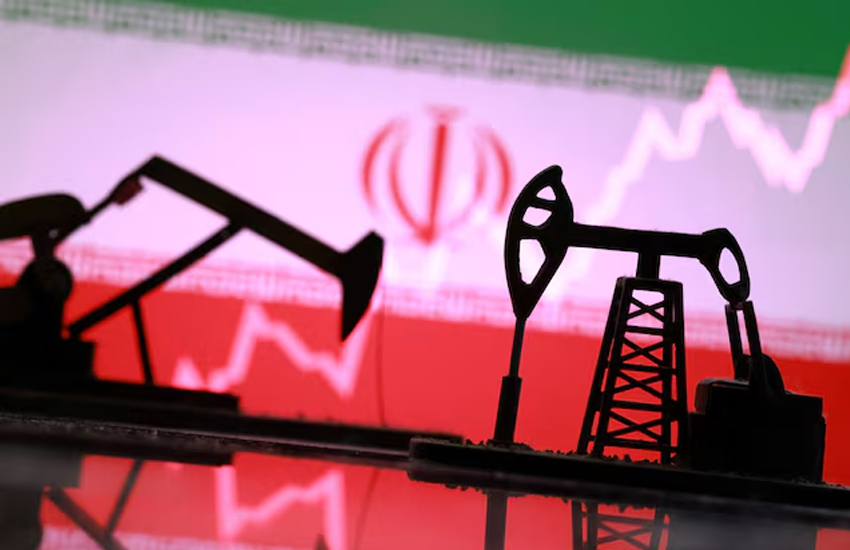
US Vice President JD Vance stated that Washington maintains multiple options, including both military and economic measures, with the primary objective of preventing Iran from acquiring nuclear weapons, according to Samaa coverage. Vance asserted that despite ongoing regional tensions, between seven million and 15 million barrels of oil continue to be extracted daily through the Strait of Hormuz, claiming that Iran lacks the capacity to completely shut down global trade routes. Meanwhile, Bessent stated that the time had come for what he described as Iran's economic reckoning, declaring that Washington would close every economic route supporting Iran.
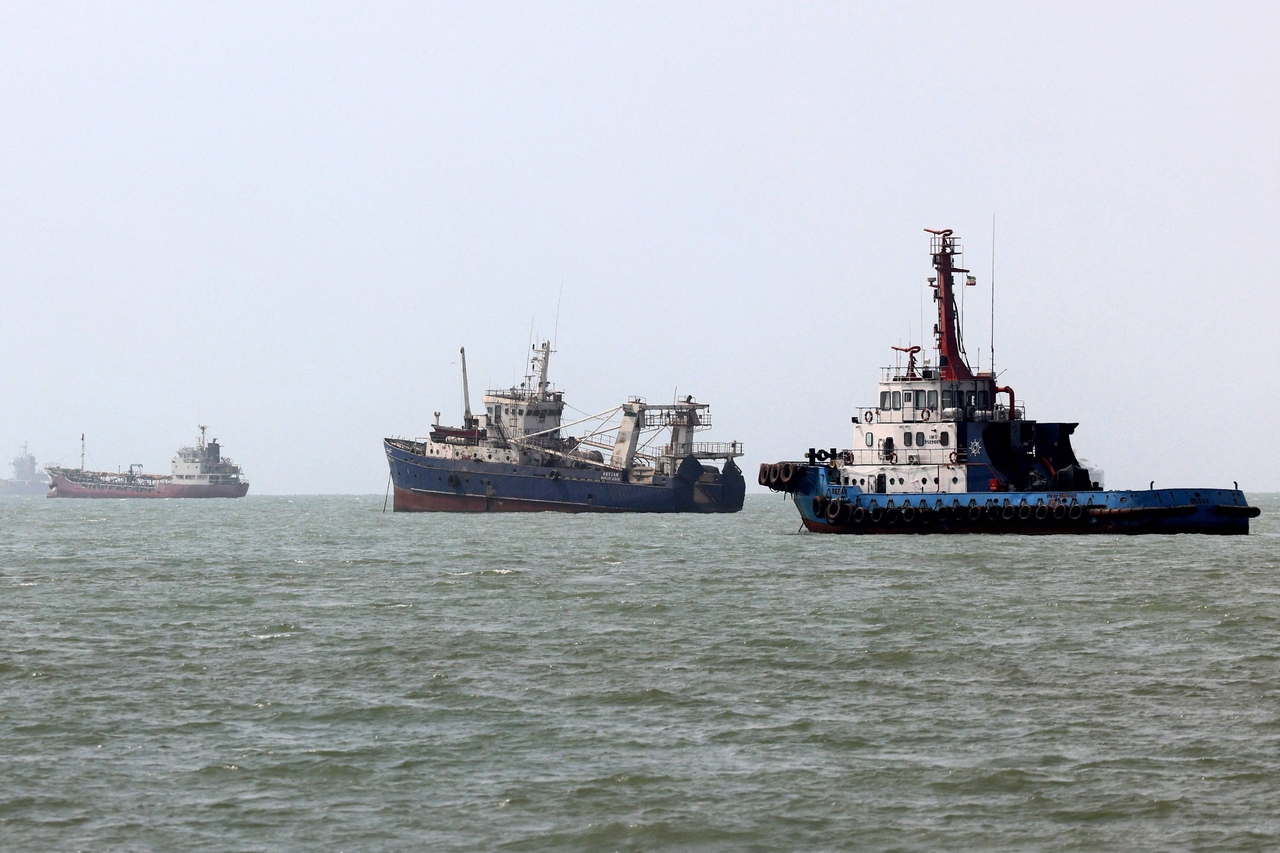
Tehran has adopted a combative posture in response to the tightening economic noose. Mohsen Rezaei, secretary-general of Iran's Supreme National Security Council, appeared on state television and issued a stern warning that Iran would ensure not a single drop of oil escapes the region if the United States proceeds with further actions, via Biz. Rezaei stated that any neighboring nation participating in Washington's economic war would be considered an enemy, expanding Tehran's threats beyond the Strait of Hormuz to include alternative crude shipping routes and bypass pipelines. In a social media post, Rezaei reiterated the warning, declaring that if the economic war continues, not a single drop of oil will be exported, neither through the Strait of Hormuz nor from anywhere in the Persian Gulf.
The threats place immediate pressure on regional neighbors like the United Arab Emirates and Iraq, which have historically served as crucial economic lifelines for Iran's isolated economy. The UAE recently announced the suspension of all trade and financial dealings with Tehran, compounding the strain on ordinary Iranian citizens and raising fears of renewed domestic unrest. Analysts argue that Tehran is pursuing a shared fate strategy. Esfandyar Batmanghelidj, CEO of the UK think tank Bourse & Bazaar Foundation, noted that Iran has grown heavily dependent on neighboring states due to its isolation, and that Rezaei's remarks were intended to demonstrate that the fate of Iran's neighbors is inextricably tied to its own, as reported by Biz. Meanwhile, Tehran diplomacy expert Mohammad Ghaderi observed that Iranian leadership is shifting from a purely defensive posture to a comprehensive offensive strategy involving economic warfare.
International reactions to the US pressure campaign remain divided. Bessent has previously called on China to cooperate with Washington regarding Iran-related measures, pointing to Beijing's heavy reliance on Gulf oil imports, according to Samaa. However, a spokesperson for China's embassy in Washington rejected the effectiveness of sanctions and pressure, urging a return to diplomacy instead.
What to Watch Next
- US Treasury Secretary Scott Bessent is scheduled to hold a press conference at 1pm EDT (1700 GMT) to formally outline the new economic measures and sanctions against Iran's trade partners.
- Monitor potential retaliatory actions by Tehran against regional shipping lanes, alternative crude pipelines, and neighboring states complying with US restrictions.
- Observe diplomatic responses from key international stakeholders, including China and European allies, regarding secondary sanctions and compliance with Washington's financial offensive.
For ongoing updates on international developments, consult our World coverage.
How significant is this development?
Contribute your assessment to the aggregated reader sentiment ledger.
Frequently Asked Questions
Key questions answered in this reportWhat is the key development in: Iran threatens Gulf oil blockade as US launches economic D-Day?
Iran has threatened to block all oil exports from the Persian Gulf in response to a sweeping new US economic offensive aimed at isolating Tehran.
Why is this World development significant for the UK?
This report covers critical events in our World beat. Independent reporting monitors related UK statements, regulatory shifts, and public responses as further verified details emerge.
How was this reporting corroborated and verified?
Newsarchy UK compiles and cross-references reporting from primary reporting from samaa.tv and cross-checked wire reports. All coverage adheres to published editorial standards.
When was this report published?
This briefing was published on August 24, 2026 and is permanently cataloged in the Newsarchy UK World archives.