Iran threatens to halt Persian Gulf oil exports over US economic war
Iran has threatened to halt all Persian Gulf oil exports and retaliate against any neighbouring countries participating in a fresh US economic campaign.
- Core Development: Iran has threatened to halt all Persian Gulf oil exports and retaliate against any neighbouring countries participating in a fresh US economic campaign.
- Beat Context: Categorized under World with independent corroboration.
- Reporting Depth: 3 minute analytical read synthesized from verified newsroom sources.
Iran has threatened to halt all Persian Gulf oil exports and retaliate against any neighbouring countries that participate in or support a fresh US economic campaign against Tehran. The warning, delivered by Supreme National Security Council Secretary Mohsen Rezaei, marks a sharp escalation in the enduring Strait of Hormuz crisis that has gripped the region.
The latest confrontation follows an announcement by US President Donald Trump regarding an unprecedented economic offensive aimed at isolating Tehran. According to reporting from The Times of India, Trump utilized Truth Social to declare what he termed an "ECONOMIC D-DAY," vowing heavy financial retaliation against any entity providing a lifeline to the Iranian government.
Media additions

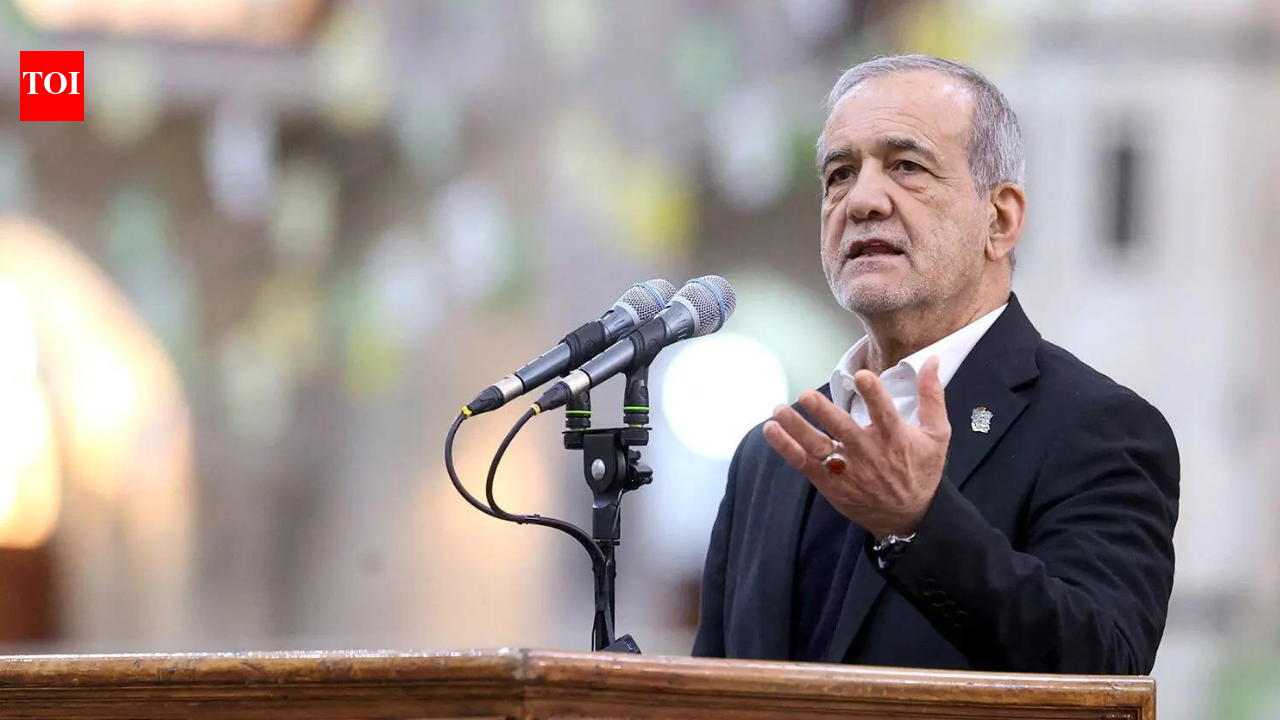
Iranian leadership has met the declaration with outright defiance. Iranian President Masoud Pezeshkian asserted that the nation has withstood an unequal war and praised domestic resilience in a televised address carried by IRNA, noting that Washington had ultimately failed in its attempts to reduce Iran to the economic status of Venezuela. Echoing this sentiment, Iranian Foreign Minister Seyed Abbas Araghchi dismissed the American pressure campaign as a familiar routine and a repetitive film, insisting according to The Times of India that Washington has no choice left but to speak respectfully to the Iranian nation.
The geopolitical fallout extends directly to regional shipping lanes and energy infrastructure. While Washington maintains that the Strait of Hormuz is open and operating under United States escorts—pointing to claims that over a thousand ships have been safely guided through the passage—Tehran asserts that the crucial maritime corridor remains effectively closed. As detailed by Times Now News, confirmed commercial crossings through the vital channel have declined significantly, and maritime security remains fraught amid active blockades and reported naval boardings.
Furthermore, the National Security Commission approved the implementation of Article 3 of the "Strategic Action to Ensure the Security and Progress of the Strait of Hormuz" plan. Under this measure, vessels belonging to authorised countries transiting the waterway are now required to pay service fees covering navigation, environmental oversight, safety, and logistical provisions.
Regional diplomats and international players are scrambling to adapt to the deepening crisis. French President Emmanuel Macron hosted Saudi Crown Prince Mohammed bin Salman in Paris to discuss alternative trade and energy transit routes, focusing on ways to bypass the troubled Strait of Hormuz through Omani ports and expanded pipeline capacities. Meanwhile, Pakistan has stepped into a mediator role, with its army chief scheduled to visit Tehran to foster regional security talks.
Key Developments in the US-Iran Stand-Off
- Economic Sanctions: The US administration announced an unprecedented economic operation directed at isolating Tehran.
- Strait of Hormuz Status: Tehran has instituted service fees for authorised transiting vessels, while Washington insists the shipping corridor remains operational under military escorts.
- Regional Warnings: Iran's Supreme National Security Council warned neighboring states against joining the US economic pressure campaign, threatening direct retaliation against regional interests.
- Global Energy Fallout: European and Middle Eastern leaders are actively planning alternative transit corridors to secure oil shipments away from the Persian Gulf flashpoints.
As the diplomatic freeze deepens, international observers and regional actors are watching to see whether mediation efforts by third-party nations can prevent the economic dispute from erupting into open regional warfare. Further developments are anticipated as scheduled diplomatic visits unfold across Tehran and European capitals in the coming days.
How significant is this development?
Contribute your assessment to the aggregated reader sentiment ledger.
Frequently Asked Questions
Key questions answered in this reportWhat is the key development in: Iran threatens to halt Persian Gulf oil exports over US economic war?
Iran has threatened to halt all Persian Gulf oil exports and retaliate against any neighbouring countries participating in a fresh US economic campaign.
Why is this World development significant for the UK?
This report covers critical events in our World beat. Independent reporting monitors related UK statements, regulatory shifts, and public responses as further verified details emerge.
How was this reporting corroborated and verified?
Newsarchy UK compiles and cross-references reporting from primary reporting from timesofindia.indiatimes.com and cross-checked wire reports. All coverage adheres to published editorial standards.
When was this report published?
This briefing was published on August 23, 2026 and is permanently cataloged in the Newsarchy UK World archives.