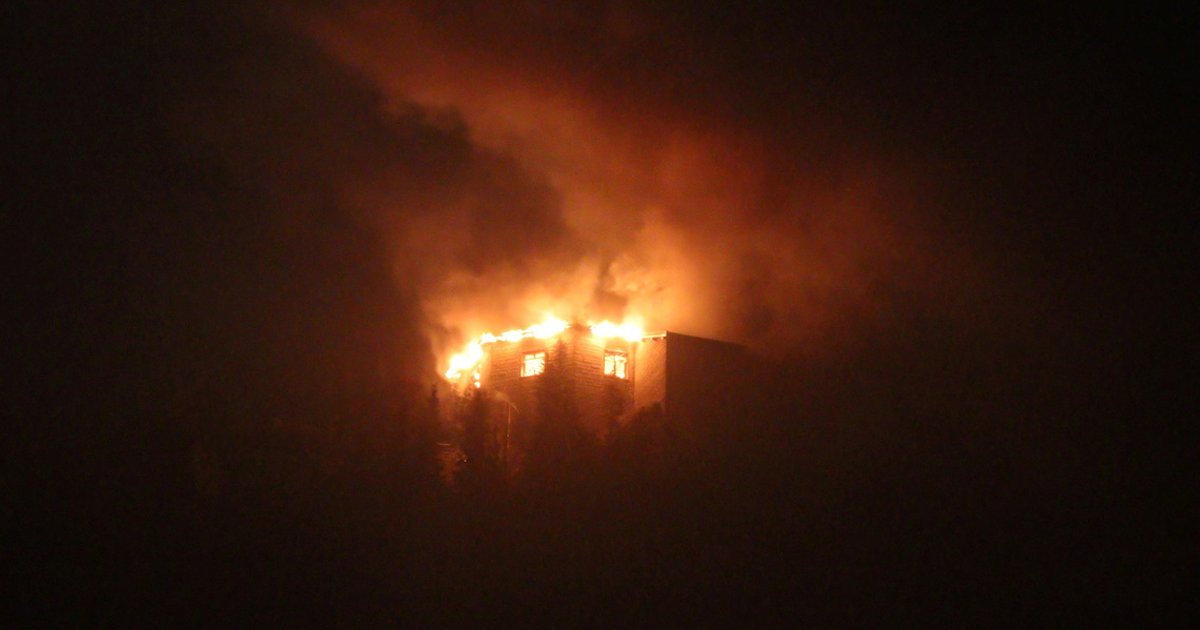
Israel approves 19 new illegal settlement outposts in West Bank
The Israeli security cabinet approved 19 new settlement outposts in the occupied West Bank, bringing the total approved by the current government to 69. Officials state this expansion aims to prevent the formation of a viable Palestinian state.
- Core Development: The Israeli security cabinet approved 19 new settlement outposts in the occupied West Bank, bringing the total approved by the current government to 69. Officials state this expansion aims to prevent the formation of a viable Palestinian state.
- Beat Context: Categorized under World with independent corroboration.
- Reporting Depth: 4 minute analytical read synthesized from verified newsroom sources.
The Israeli security cabinet has approved 19 new settlement outposts in the occupied West Bank as the right-wing government headed by Prime Minister Benjamin Netanyahu moves to prevent the formation of a viable Palestinian state. This expansion brings the total number of settlements approved by the current government over the past three years to 69, according to a statement from the office of Smotrich, who is a vocal proponent of settlement expansion and a settler himself.
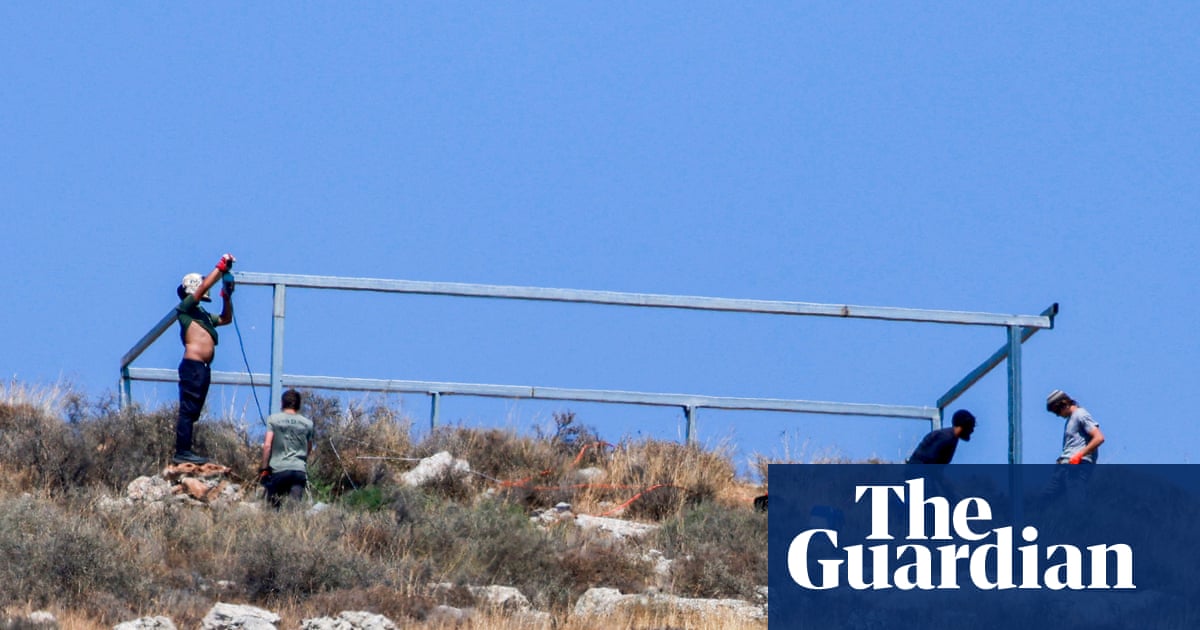
The new settlements are spread across the West Bank, spanning from Jenin in the north to Hebron in the south. Notably, the approval includes the re-establishment of Ganim and Kadim, two of the four West Bank settlements east of Jenin that were dismantled as part of Israel's 2005 disengagement plan. According to a statement from the office of Finance Minister Bezalel Smotrich, five of the 19 newly approved outposts already existed as unauthorised sites but have now been granted official legal status under Israeli law.
Media additions


Broader Expansion and Territorial Control
The current government has overseen a rise in the total number of settlements and outposts in the West Bank and East Jerusalem, increasing from 141 in 2022 to 210. Approximately 700,000 settlers live in the West Bank and East Jerusalem, according to Peace Now. The settlement expansion, coupled with infrastructure projects such as the E1 settlement plan — which will split the West Bank — is further squeezing Palestinians in occupied territory.
The Israeli military command in the region has increasingly aligned with these efforts. Maj Gen Avi Bluth, who commands forces in the West Bank, recently told residents of extremist outposts that he “appreciates their work” and considered them to be partners in security with the military. This alignment occurs alongside reports of persistent settler violence. According to data from the UN Office for the Coordination of Humanitarian Affairs (OCHA), settlers have attacked Palestinians nearly 3,000 times over the past two years, with incidents frequently peaking during the olive harvest season.
The Gaza Connection
In addition to the West Bank approvals, the government is moving to establish three "Nahal" outposts in northern Gaza. Defence Minister Israel Katz announced the plan during a visit to the territory, where he also noted that Israel now controls 65% of the Gaza Strip, as told to Katz in an on-camera briefing by Israel’s deputy chief of staff, Maj Gen Tamir Yadai. This figure exceeds the 53% agreed under the ceasefire brokered last year by the US president, Donald Trump. While the government claims these sites serve military purposes, critics point to historical precedents where such outposts served as the foundation for permanent civilian settlement expansion.
The humanitarian context remains critical. Israel’s military has recognised that a database of Gaza’s war dead compiled by Palestinian health authorities is broadly accurate; it contains more than 73,000 people listed by name. More than 21,000 were children. Although the military has acknowledged the accuracy of this database, it has yet to reconcile its own internal assessments of casualty breakdowns with the figures presented to the political echelon.
International Reaction and Legal Standing
The international community largely considers these settlements illegal under international law, citing the Fourth Geneva Convention. The International Court of Justice (ICJ) issued a landmark opinion in 2024 confirming that Israel's settlement activities and occupation are unlawful and should be terminated. Despite this, the Israeli government has maintained its trajectory, often defying international pressure.
In June, the United Kingdom, Australia, Canada, New Zealand and Norway slapped sanctions on Smotrich and Ben-Gvir for inciting violence. In September 2025, several nations, including the UK, France, and Australia, moved to formally recognize Palestinian statehood, a step Prime Minister Benjamin Netanyahu has explicitly vowed to prevent.
What to Watch Next
- October 27, 2026: The date set for national elections, which observers suggest is driving a "pre-election sprint" by the current coalition to solidify land control before the parliamentary mandate concludes.
- Infrastructure Development: Following the cabinet's recent allocation of funding for settlement-related infrastructure, construction activities are expected to accelerate in the coming months.
- Diplomatic Tensions: Further scrutiny is anticipated from the United Nations and various Western capitals regarding how these developments impact the viability of any remaining frameworks for a two-state solution.
The political landscape remains volatile, with opposition figures and former security leaders within Israel threatening legal challenges against the current cabinet's policies. For now, the administration shows no sign of yielding, as officials continue to emphasize that they are creating "clear facts on the ground" to preclude the possibility of an independent Palestinian state.
How significant is this development?
Contribute your assessment to the aggregated reader sentiment ledger.
Frequently Asked Questions
Key questions answered in this reportWhat is the key development in: Israel approves 19 new illegal settlement outposts in West Bank?
The Israeli security cabinet approved 19 new settlement outposts in the occupied West Bank, bringing the total approved by the current government to 69. Officials state this expansion aims to prevent the formation of a viable Palestinian state.
Why is this World development significant for the UK?
This report covers critical events in our World beat. Independent reporting monitors related UK statements, regulatory shifts, and public responses as further verified details emerge.
How was this reporting corroborated and verified?
Newsarchy UK compiles and cross-references reporting from primary reporting from apnews.com and cross-checked wire reports. All coverage adheres to published editorial standards.
When was this report published?
This briefing was published on July 18, 2026 and is permanently cataloged in the Newsarchy UK World archives.