Andy Burnham vows new politics as he formally accepts Labour leadership
Andy Burnham formally accepted the Labour Party leadership, promising a new era of politics centered on regional devolution and systemic economic reform.
- Core Development: Andy Burnham formally accepted the Labour Party leadership, promising a new era of politics centered on regional devolution and systemic economic reform.
- Beat Context: Categorized under Cost of Living with independent corroboration.
- Reporting Depth: 3 minute analytical read synthesized from verified newsroom sources.
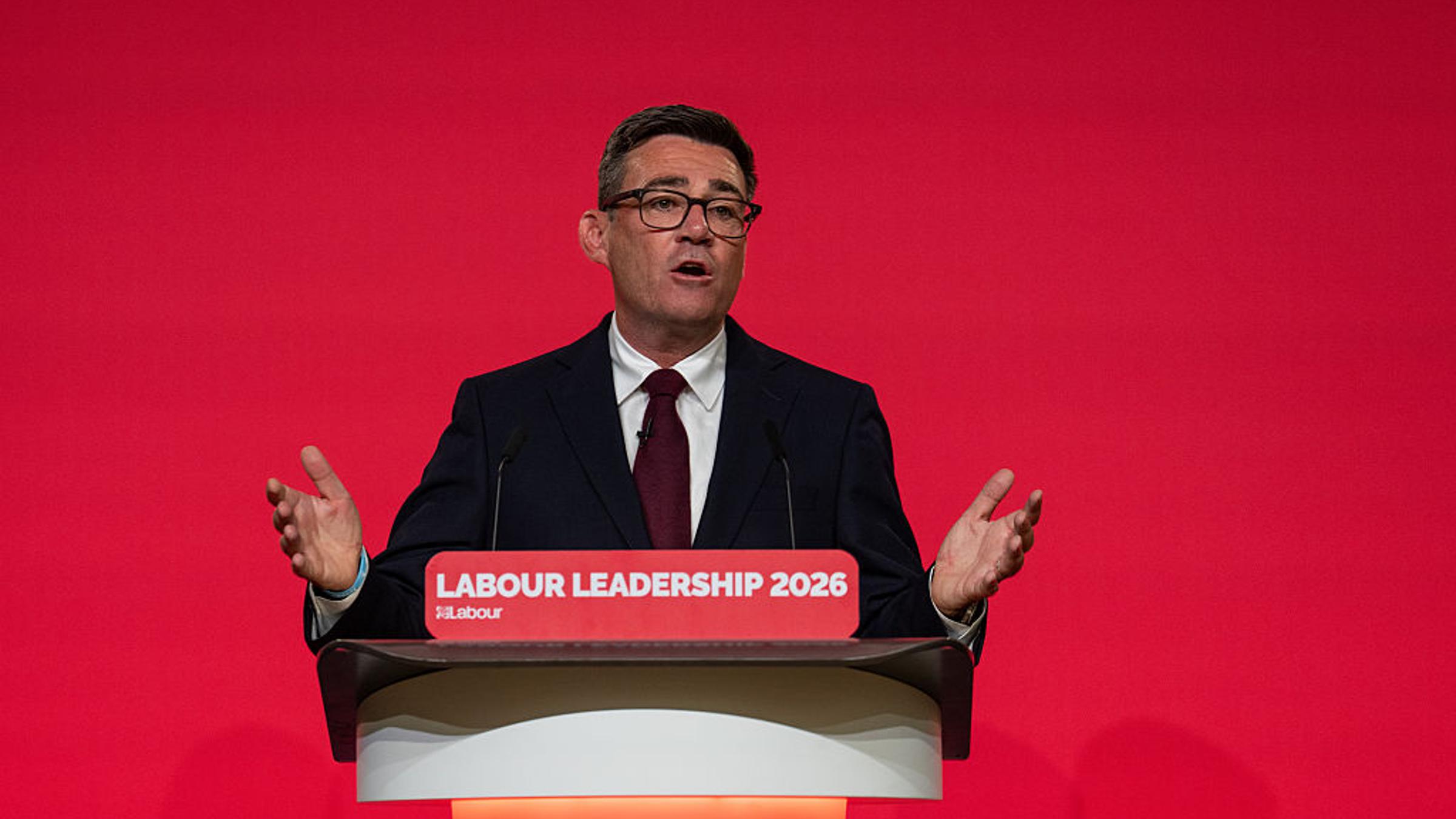
Andy Burnham was officially declared leader of the Labour Party on Friday, marking a pivotal transition in British governance. Speaking at a special party conference held at the Trades Union Congress in London, the former mayor of Greater Manchester addressed lawmakers, activists, and trade union leaders to outline a vision centered on systemic change and national restoration.
Burnham is scheduled to assume the office of Prime Minister on Monday, after formally receiving an invitation from King Charles III. He succeeds Keir Starmer, who announced his resignation following significant electoral losses in May and mounting internal pressure. By securing nominations from 379 of the 403 Labour lawmakers, Burnham faced no challengers in his bid for the leadership, effectively securing the position in what has been described as a coronation.
Media additions
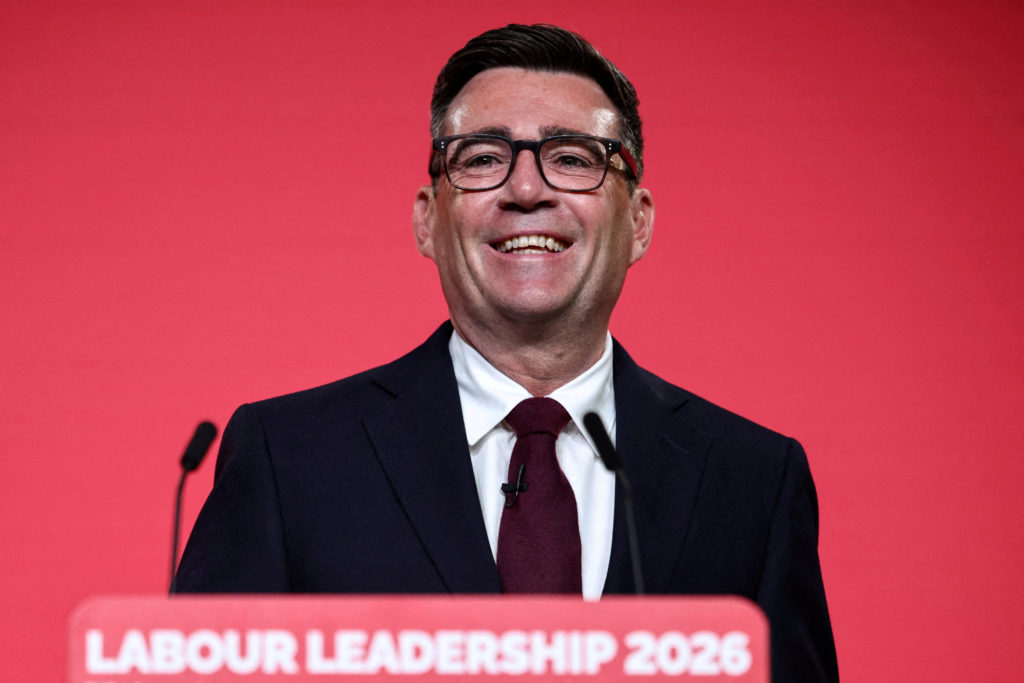
In his first address, Burnham emphasized the need for a “new politics,” arguing that the current political culture has alienated voters who feel ignored by Westminster. The country is crying out for it,
he said, referencing the frustration felt by citizens as living standards fluctuate. According to data from the Office for National Statistics, 79% of adults in Great Britain reported an increase in their cost of living in April, even as inflation currently sits at 3%. Burnham argued that persistent infighting within the Labour movement has hindered the party's ability to address these structural economic issues effectively.
The incoming leader’s rhetoric signals a departure from the policies of the previous four decades, which he traced back to the deindustrialization and privatization initiatives of the 1980s under Margaret Thatcher. He stated:
"Four decades of the neoliberalism that began in the 1980s, have not been kind to the places that built our party, nor to the communities across the U.K. in rural and coastal areas. So we pledge today to them to be better."
Burnham’s governing strategy intends to prioritize the devolution of power from London to local regions, a tactic he employed during his Time in Greater Manchester. His past initiatives, such as the implementation of local public ownership for bus networks and the capping of fares at £2, were cited as evidence of his “pro-business” approach. He pledged to replicate this model on a national scale, seeking to deliver “good growth in every post code.”
Cabinet appointments remain a subject of intense speculation. While Burnham has confirmed he has not yet finalized his team, reports indicate that Home Secretary Shabhana Mahmood is a front-runner for the role of Chancellor. The potential inclusion of Ed Miliband, the Minister for Energy Security and Net Zero, has drawn scrutiny, particularly regarding his previous positions on North Sea oil and gas extraction—a policy area where U.S. President Donald Trump has expressed public disapproval. Burnham maintains an “open mind” regarding future energy access.
The transition arrives at a time of significant instability, with Burnham set to become the seventh Prime Minister in 10 years. While unions have expressed cautious optimism regarding his focus on living standards, industry groups such as the Confederation of British Industry have noted that the success of his administration will depend entirely on execution. Burnham has vowed to end the “insidious briefing culture” that plagued the previous administration, a commitment supported by Labour’s Deputy Leader, Lucy Powell, who criticized the “unpleasant” nature of prior Downing Street communications.
Upcoming Political Timeline
- Monday: Keir Starmer officially tenders his resignation to the King; Andy Burnham is formally invited to form a government.
As he prepares to enter Downing Street, Burnham faces the reality that his mandate is limited by the same economic constraints that challenged his predecessor. Despite his promise to restore “hope,” experts observe that his policy platform remains largely broad in scope. With the next national election not required until 2029, the incoming government holds a long runway to implement its agenda, though it must immediately address the ongoing cost-of-living pressures and public service demand that continue to define the current national mood.
How significant is this development?
Contribute your assessment to the aggregated reader sentiment ledger.
Frequently Asked Questions
Key questions answered in this reportWhat is the key development in: Andy Burnham vows new politics as he formally accepts Labour leadership?
Andy Burnham formally accepted the Labour Party leadership, promising a new era of politics centered on regional devolution and systemic economic reform.
Why is this Cost of Living development significant for the UK?
This report covers critical events in our Cost of Living beat. Independent reporting monitors related UK statements, regulatory shifts, and public responses as further verified details emerge.
How was this reporting corroborated and verified?
Newsarchy UK compiles and cross-references reporting from primary reporting from time.com and cross-checked wire reports. All coverage adheres to published editorial standards.
When was this report published?
This briefing was published on July 18, 2026 and is permanently cataloged in the Newsarchy UK Cost of Living archives.