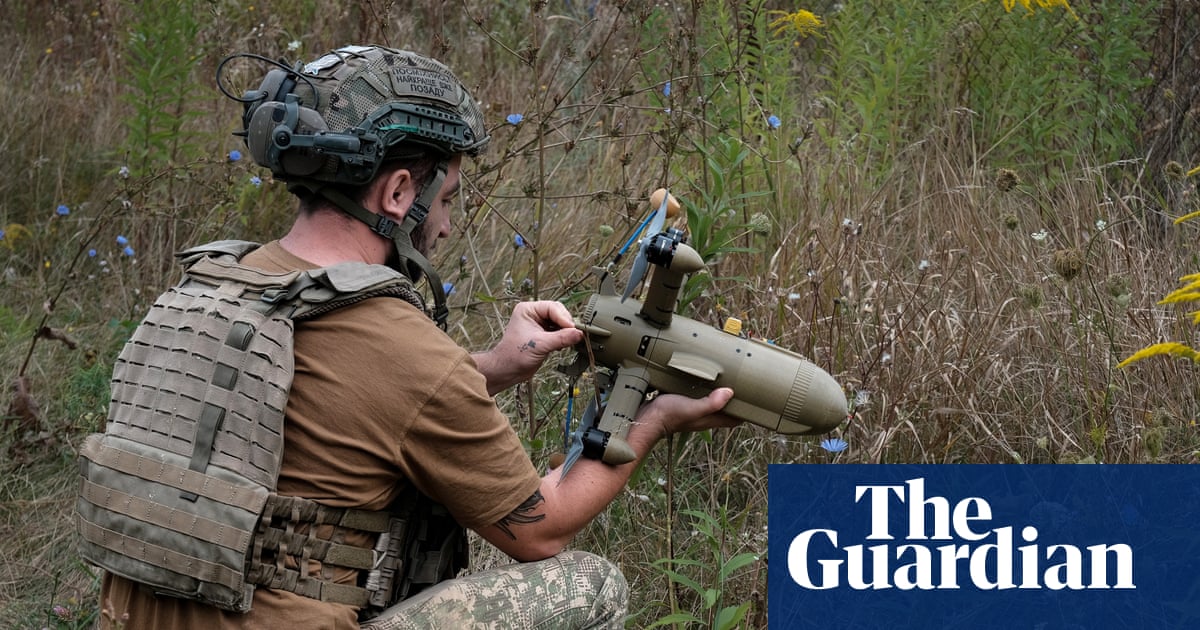
Ukrainian drone strikes kill seven in attacks on Russian oil and logistics sites
Ukrainian drone strikes hit multiple logistics and energy facilities across Russia, including a fatal attack on a Wildberries warehouse in Tambov. The operation also targeted an oil depot in the Moscow region and prompted emergency evacuations.
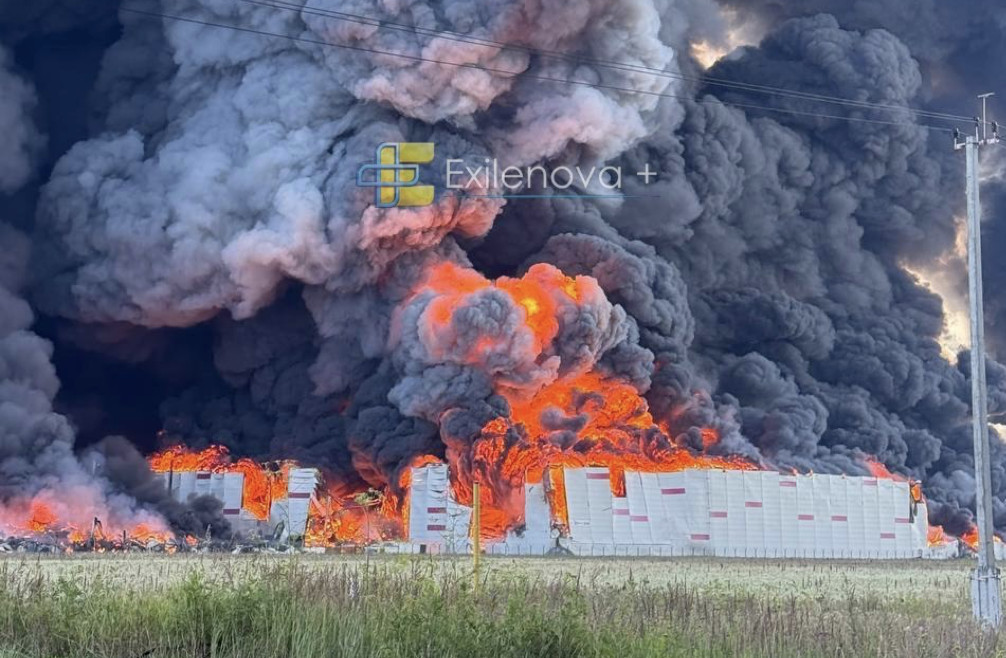
- Core Development: Ukrainian drone strikes hit multiple logistics and energy facilities across Russia, including a fatal attack on a Wildberries warehouse in Tambov. The operation also targeted an oil depot in the Moscow region and prompted emergency evacuations.
- Beat Context: Categorized under World with independent corroboration.
- Reporting Depth: 3 minute analytical read synthesized from verified newsroom sources.
Ukrainian drone strikes targeted multiple logistics and energy sites across Russia and occupied Crimea early on Saturday, 18 July 2026, resulting in at least seven fatalities and significant infrastructure damage. The coordinated operation hit targets in the Moscow region and the Tambov region, according to local reporting and authorities.
In the Tambov region, seven employees were killed at a Wildberries logistics complex in the Kotovsk Industrial Park following a drone strike. This facility, which began operations in 2025, represents a node for Russia’s online retailer. A second Wildberries warehouse in Elektrostal, located approximately 50 kilometers from Moscow, was also struck during the night, sending smoke visible from more than 30 miles away.
Media additions

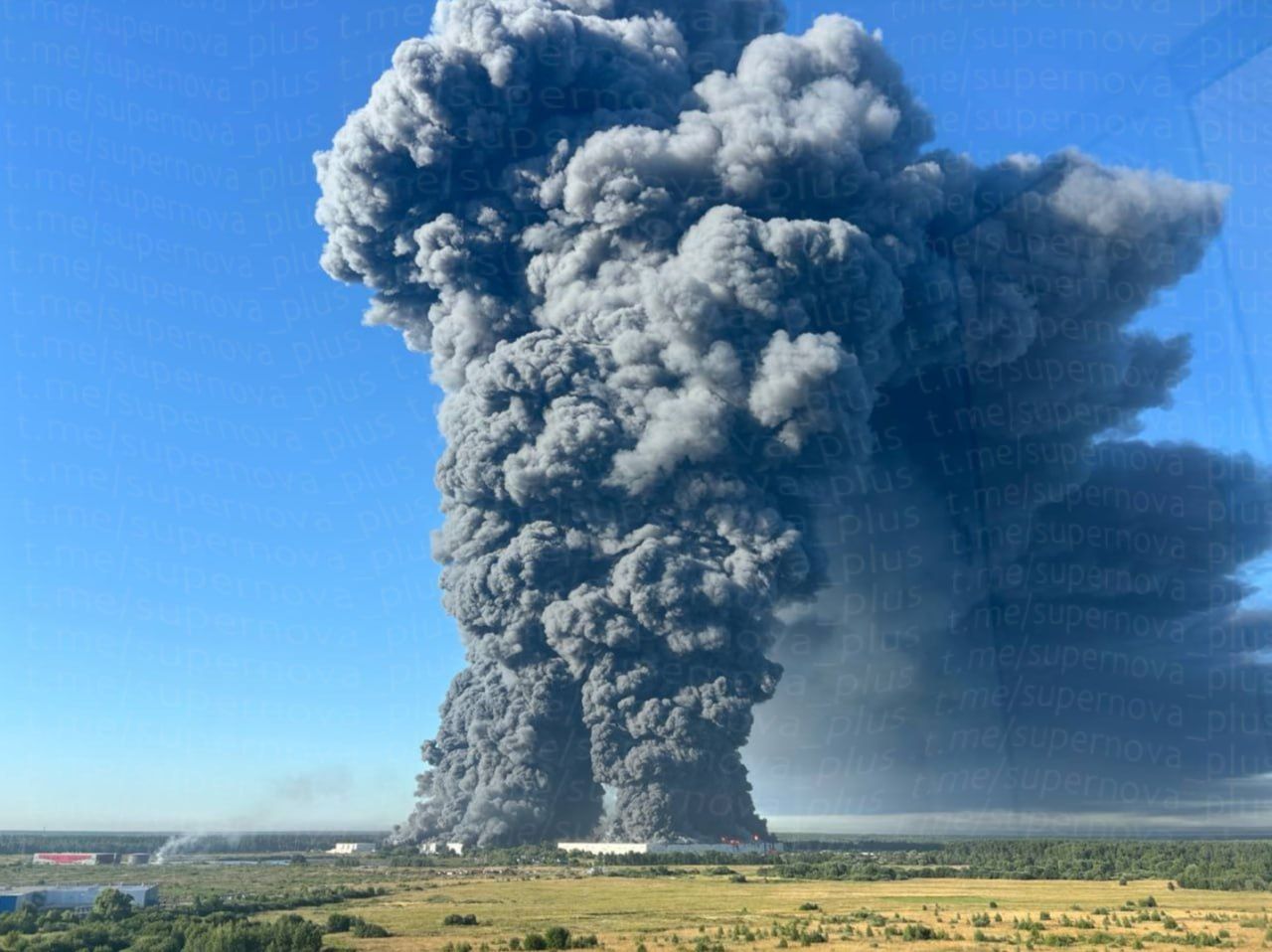
In the Moscow region, a drone strike ignited a blaze at the Noginsk oil depot, a site that operates as an independent fuel market operator. The depot serves as a logistics hub for traders and fuel companies, housing 24 reservoirs with a total capacity of 11,500 cubic meters. Moscow region Governor Andrey Vorobyov reported that a maternity hospital near the site was evacuated as a precaution, with patients transferred to facilities in Noginsk, Balashikha, and Shchelkovo. Apartment residents on Radchenko Street were also evacuated.
Governor Vorobyov stated that 48 drones were intercepted over the area overnight, while Moscow Mayor Sergey Sobyanin claimed more than 370 drones were launched toward the Moscow Oblast. Officials reported that 40 ambulance crews and 12 teams from the regional disaster medicine centre were deployed to manage the aftermath of the strikes. More than two dozen people were reported wounded in the Moscow region following the attacks.
The campaign extended beyond the Moscow region, with reports of explosions in the Russian cities of Tver and Vladimir, as well as multiple areas across occupied Crimea. Monitoring channels reported over 20 explosions near the Gvardeyskoye military airfield and in Sevastopol, Feodosia, and Kerch, with indications that the Balaklava Thermal Power Plant may have been a target.
These strikes follow a period of intensified aerial warfare between the two nations. Earlier in the week, on 14 July 2026, Ukrainian forces struck the Gazpromneftekhim Salavat complex in the Republic of Bashkortostan and the Afipsky Oil Refinery in Krasnodar Krai. The General Staff of the Armed Forces of Ukraine has stated that these operations target facilities producing fuel and lubricants used to support the Russian military and economy.
The recent pattern of infrastructure strikes includes events earlier in the week:
- 14 July: Strikes on Gazpromneftekhim Salavat and Afipsky Oil Refinery.
- 15–16 July: Drones targeted the city of Engels, with fires reported near the local airfield.
- 16–17 July: A railway station in Kerch caught fire following a strike; tanker attacks occurred in the Black Sea.
- 18 July: Coordinated strikes hit the Noginsk oil depot and Wildberries logistics complexes in Kotovsk and Elektrostal.
In response to the growing threat, Russian officials have bolstered air defense systems, including the deployment of Pantsir-SMD-E systems on rooftops within Moscow. The Russian government continues to categorize these strikes as "terrorist attacks," while the General Staff of the Armed Forces of Ukraine maintains that such infrastructure is a legitimate target due to its direct role in sustaining the ongoing military effort.
How significant is this development?
Contribute your assessment to the aggregated reader sentiment ledger.
Frequently Asked Questions
Key questions answered in this reportWhat is the key development in: Ukrainian drone strikes kill seven in attacks on Russian oil and logistics sites?
Ukrainian drone strikes hit multiple logistics and energy facilities across Russia, including a fatal attack on a Wildberries warehouse in Tambov. The operation also targeted an oil depot in the Moscow region and prompted emergency evacuations.
Why is this World development significant for the UK?
This report covers critical events in our World beat. Independent reporting monitors related UK statements, regulatory shifts, and public responses as further verified details emerge.
How was this reporting corroborated and verified?
Newsarchy UK compiles and cross-references reporting from primary reporting from thedefensenews.com and cross-checked wire reports. All coverage adheres to published editorial standards.
When was this report published?
This briefing was published on July 18, 2026 and is permanently cataloged in the Newsarchy UK World archives.