Israel rejects Trump’s 15-point plan for Gaza
Prime Minister Benjamin Netanyahu has announced Israel's rejection of Donald Trump's 15-point plan for Gaza, refusing troop pullbacks until Hamas is fully disarmed.

- Core Development: Prime Minister Benjamin Netanyahu has announced Israel's rejection of Donald Trump's 15-point plan for Gaza, refusing troop pullbacks until Hamas is fully disarmed.
- Beat Context: Categorized under World with independent corroboration.
- Reporting Depth: 3 minute analytical read synthesized from verified newsroom sources.
Prime Minister Benjamin Netanyahu announced on Sunday, 9 August 2026, that Israel has rejected United States President Donald Trump’s 15-point plan for Gaza, setting up a fresh diplomatic showdown over the future of the enclave.
Speaking at a cabinet meeting on Sunday, 9 August 2026, the Israeli leader moved to dispel any ambiguity surrounding his government's position. According to Al Jazeera reporting, Netanyahu stated that the Israeli army will maintain its military positions and refuse any territorial pullbacks until the Palestinian group Hamas is completely disarmed.
Media additions
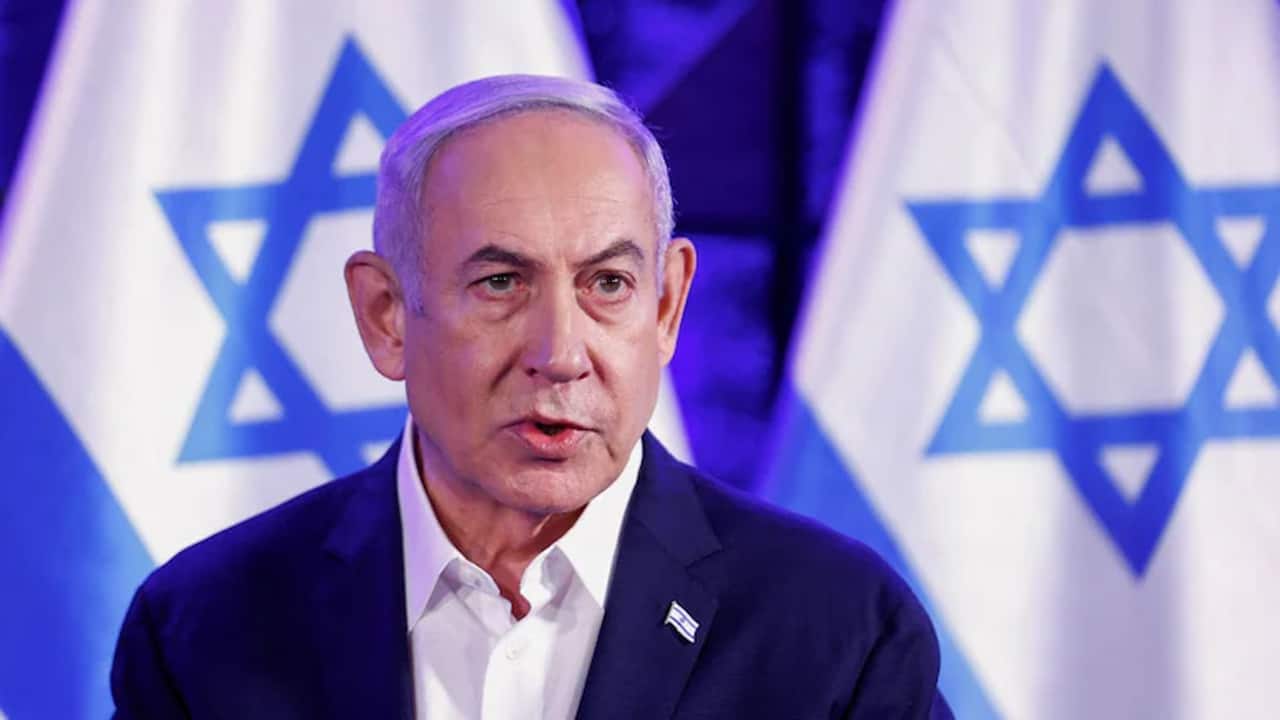
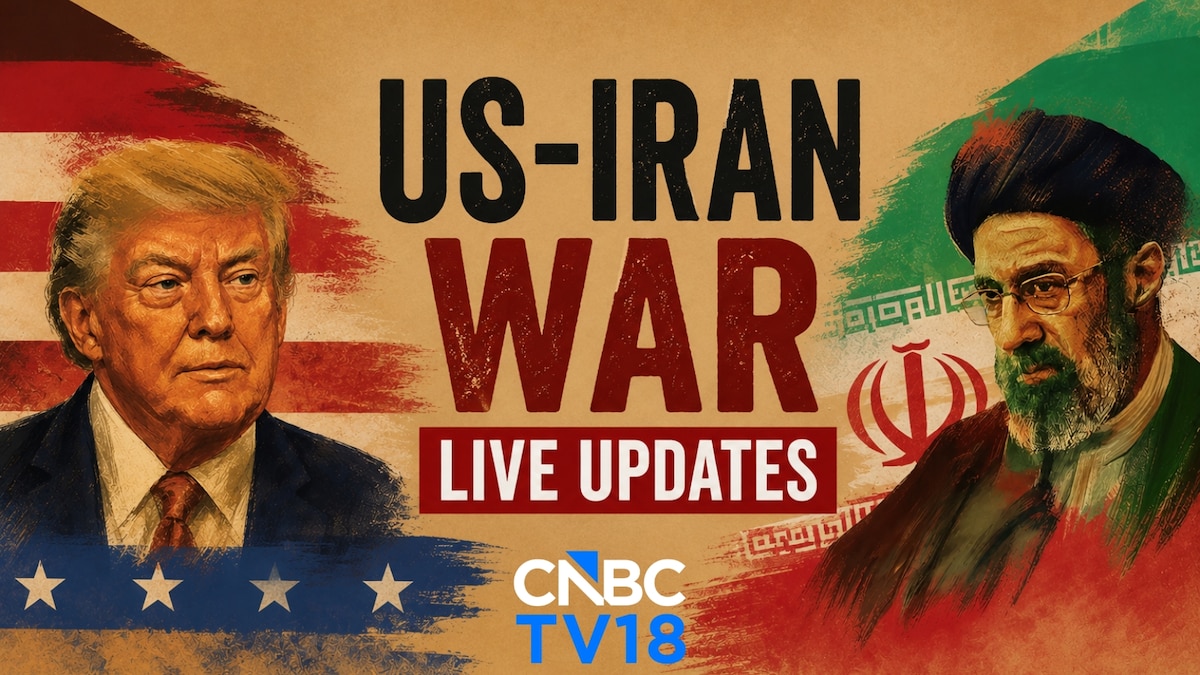

The rejection directly collides with efforts led by Washington's Board of Peace. Trump had claimed last month that a significant breakthrough had been achieved in the ongoing conflict, asserting that Hamas had agreed to lay down its weapons. Netanyahu made it clear that Jerusalem views this sequencing as a non-starter, demanding genuine, verifiable disarmament of both heavy and light weaponry before any discussion of a military withdrawal begins.
The IDF will not carry out any withdrawal until Hamas is disarmed,
Netanyahu told the cabinet, as reported by NBC News. He emphasised that Israel insists on comprehensive disarmament rather than anything he termed fictitious. Meanwhile, Hamas maintains that it will only disarm after a full Israeli military withdrawal and a complete cessation of hostilities, with the surrender of heavy armaments strictly conditional upon the future establishment of a Palestinian state. Netanyahu flatly rejected that prospect, vowing that no Palestinian state will be established while he remains in office.
The diplomatic rift widens an already volatile regional landscape. In response to Sunday's cabinet announcement, senior Hamas official Basim Naeem urged international mediators and the United States to pressure the Israeli government into accepting the roadmap, accusing Netanyahu of obstructing the process for domestic political gain ahead of elections. Netanyahu faces intense political survival pressures, with upcoming domestic polls heavily influenced by the trajectories of the Gaza and wider regional conflicts.
Amid the high-level diplomatic friction, facts on the ground continue to deteriorate. Despite an nominal ceasefire agreed upon last October, Israel has continued near-daily deadly strikes across the Gaza Strip. Recovery operations recently concluded at a building in Gaza where dozens of bodies were recovered from the rubble, according to civil defense accounts relayed by NBC News. Local health authorities report that the death toll in the enclave has climbed significantly since hostilities began following the October 2023 attacks, with ongoing casualties recorded despite the supposed cessation of hostilities.
External analysts and regional players have weighed in with competing assessments. Israeli analyst Dan Perry criticised the prime minister's flat rejection of the peace proposal, suggesting in commentary covered by CNBC-TV18 that legitimate Israeli security requirements and Palestinian humanitarian needs are not inherently mutually exclusive. Perry argued that alleviating dire conditions for civilians in Gaza could diminish the incentive for future armed insurgency, even while acknowledging that Hamas's eventual disarmament remains a desirable goal.
Key Developments in the Gaza Standoff
- Political Pressures: Netanyahu faces domestic electoral battles, while Hamas calls on American mediators to force compliance with the negotiated roadmap.
- Ongoing Violence: Near-daily strikes and recovery operations persist across the enclave despite last October's ceasefire agreement.
Despite the deadlock, diplomatic channels remain open. Netanyahu acknowledged that discussions with American officials are ongoing regarding the contested points of the plan. As world coverage continues to monitor the fallout, international intermediaries face the immense challenge of bridging an unyielding gap between Israeli security demands and Palestinian political conditions.
How significant is this development?
Contribute your assessment to the aggregated reader sentiment ledger.
Frequently Asked Questions
Key questions answered in this reportWhat is the key development in: Israel rejects Trump’s 15-point plan for Gaza?
Prime Minister Benjamin Netanyahu has announced Israel's rejection of Donald Trump's 15-point plan for Gaza, refusing troop pullbacks until Hamas is fully disarmed.
Why is this World development significant for the UK?
This report covers critical events in our World beat. Independent reporting monitors related UK statements, regulatory shifts, and public responses as further verified details emerge.
How was this reporting corroborated and verified?
Newsarchy UK compiles and cross-references reporting from primary reporting from nbcnews.com and cross-checked wire reports. All coverage adheres to published editorial standards.
When was this report published?
This briefing was published on August 9, 2026 and is permanently cataloged in the Newsarchy UK World archives.