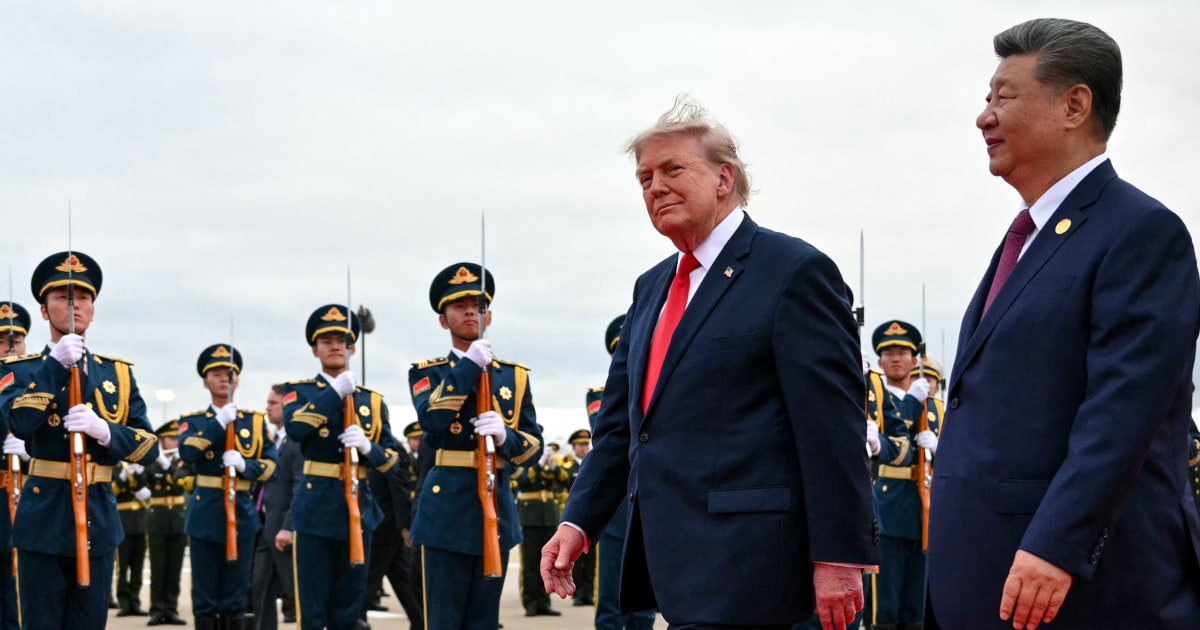
UN defends ICC after US, China and Russia target tribunal in joint declaration
The United Nations defended the International Criminal Court following a joint declaration by the US, China, and Russia criticizing global bodies.
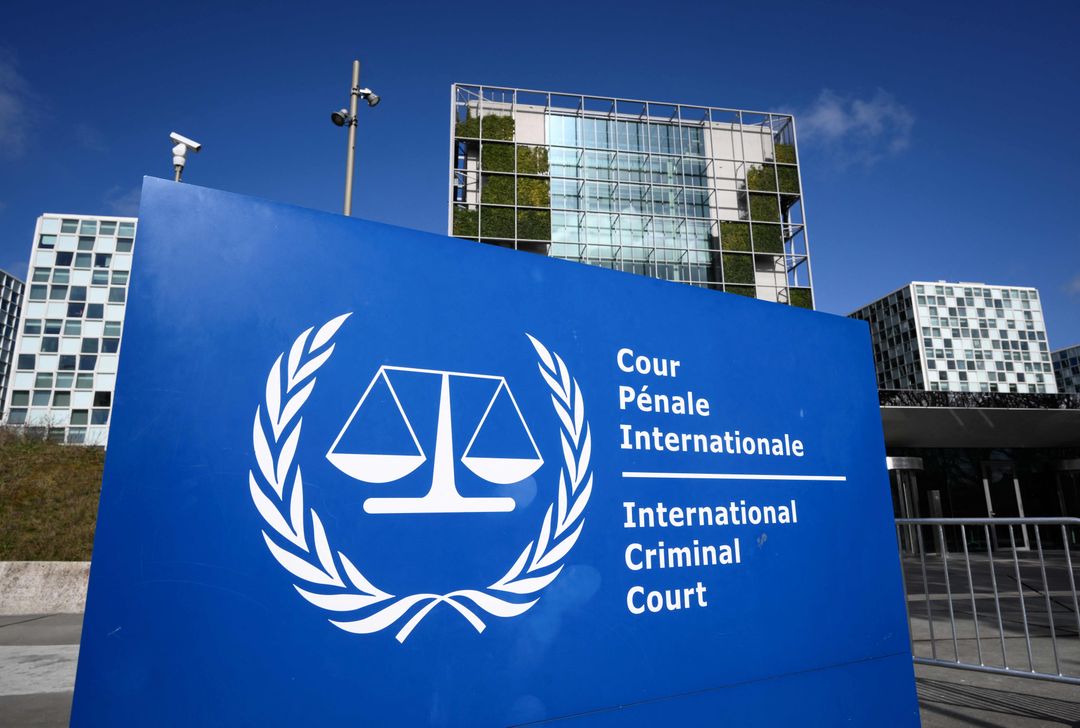
The United Nations has defended the International Criminal Court after leaders from the US, China, and Russia targeted the tribunal in a joint declaration.
Following a trilateral gathering on the sidelines of an Asia-Pacific Economic Cooperation summit in Shenzhen, leaders issued a joint statement arguing that Hague-based international bodies must avoid abusing their jurisdiction. The declaration arrived during a period of mounting pressure against international justice institutions. The US previously sanctioned the court, while Russian President Vladimir Putin has remained subject to an ICC arrest warrant stemming from allegations regarding the unlawful deportation of children from Ukraine. Despite these coordinated diplomatic headwinds, the UN underscored its foundational relationship with the tribunal and insisted that the rule of law remains vital to global stability.
Media additions
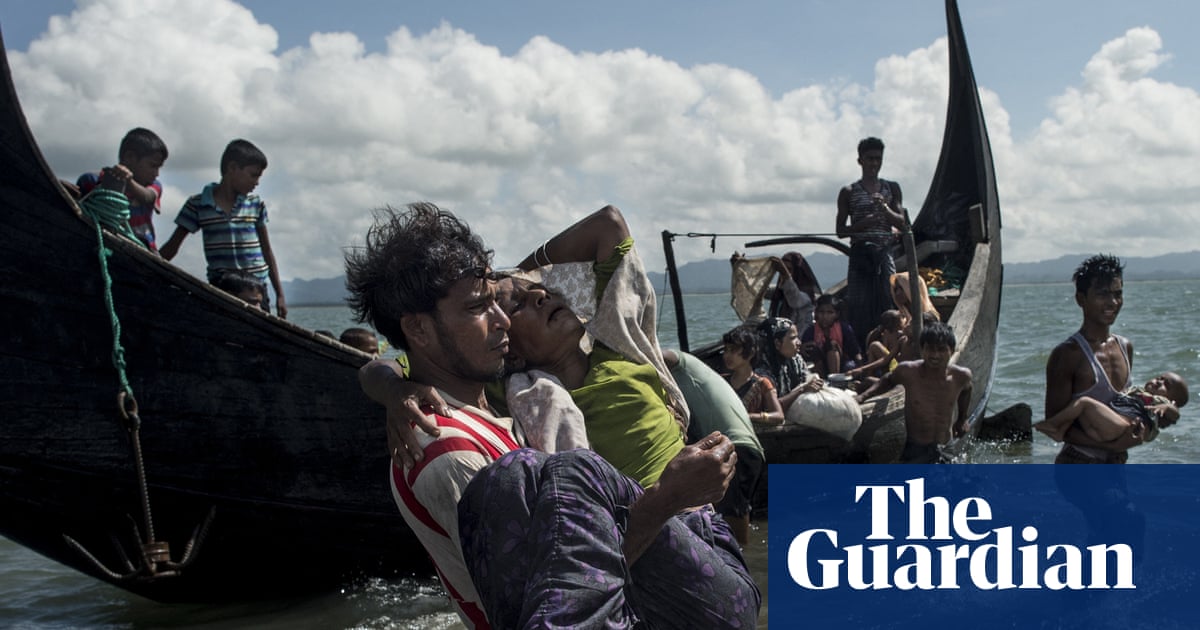
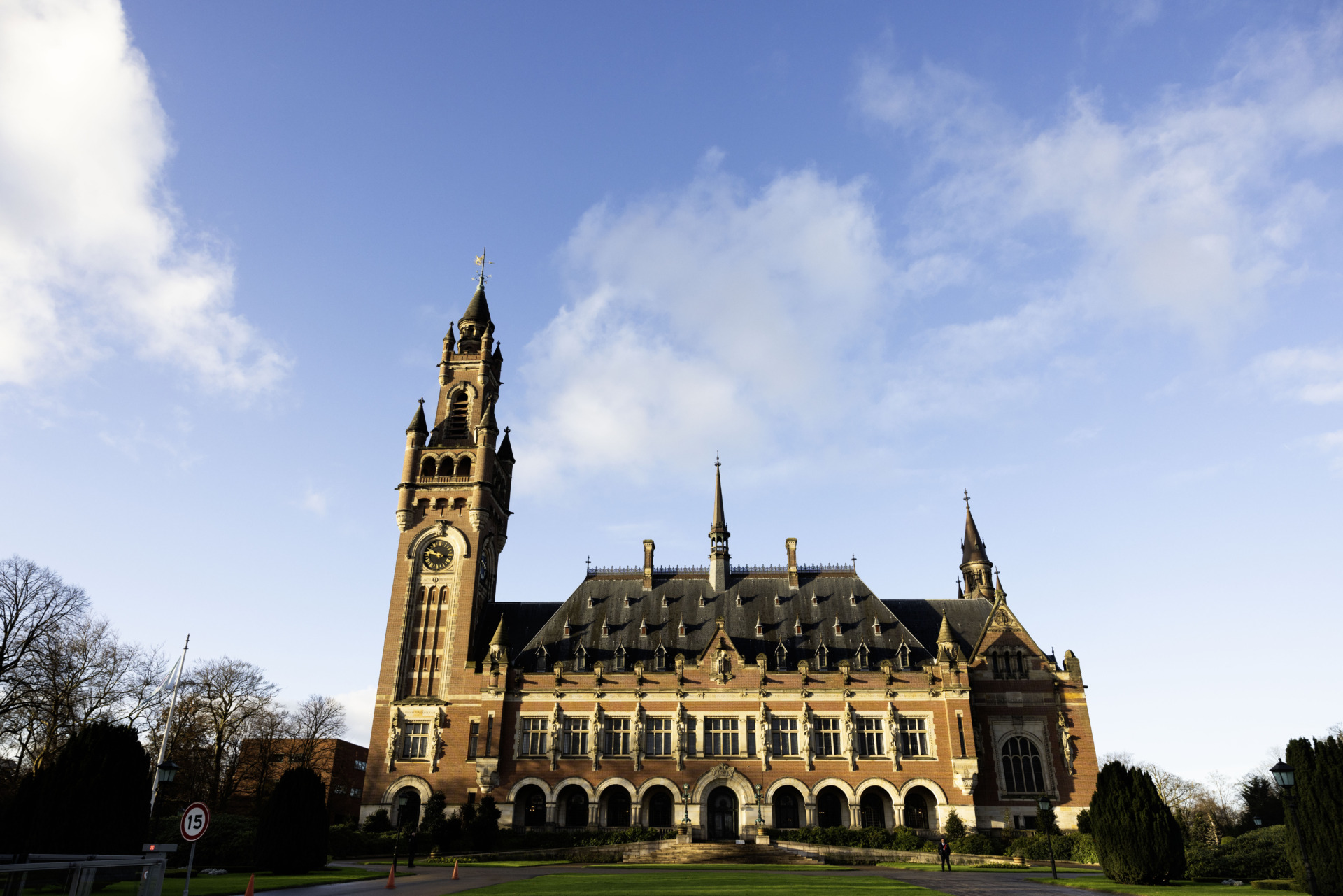
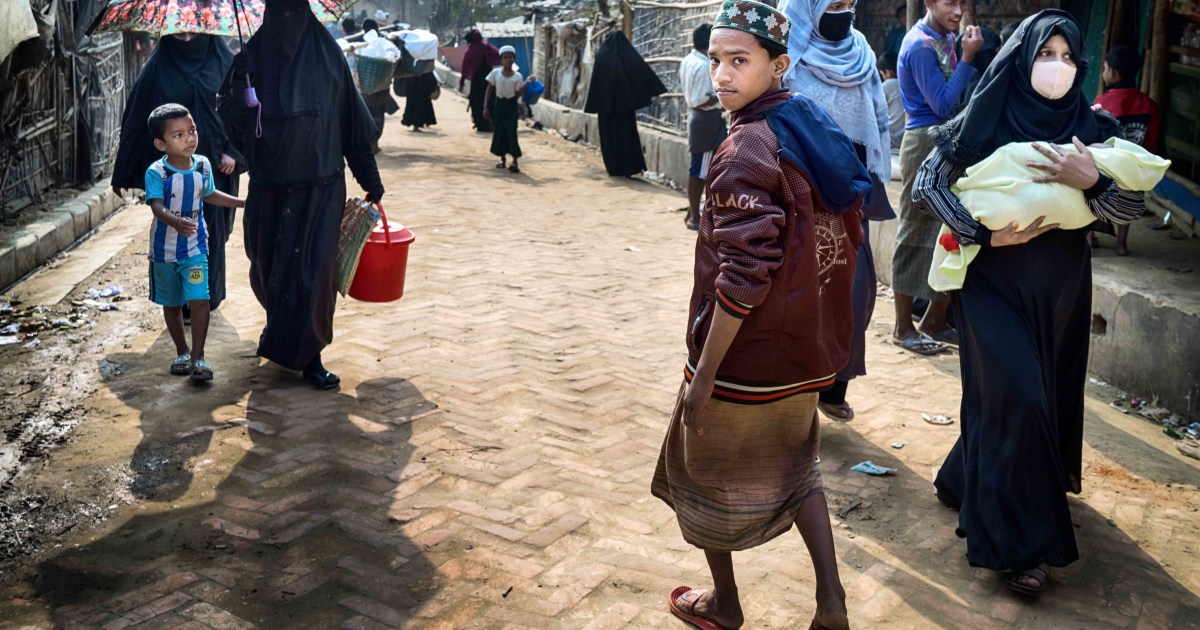
The defense of the ICC coincided with a separate, historic decision handed down on Thursday by the International Court of Justice. In a landmark judgment, the UN's highest judicial organ ruled that Myanmar committed genocide against its Rohingya Muslim minority during a brutal military crackdown. Judges voted 9–6 to find Myanmar responsible for state-sponsored genocide, marking the first time in the court's history that a sovereign state has been held directly accountable for the crime under the 1948 Genocide Convention. The case, brought by The Gambia, centered on military clearance operations in Rakhine state that forced hundreds of thousands of Rohingya to flee across the border into Bangladesh.
During the reading in the Great Hall of Justice, ICJ President Judge Yuji Iwasawa detailed systematic violence, including the killing of thousands of civilians, widespread sexual violence, attacks on fleeing refugees, and the methodical burning of hundreds of villages. The court rejected Myanmar's defense that the operations constituted legitimate counterterrorism efforts against insurgent groups. Legal experts note that the ruling sets a profound precedent for other pending genocide cases before the tribunal, including South Africa's case accusing Israel of breaches in Gaza and Ukraine's proceedings against Russia.
Reactions to the ICJ ruling divided international capitals. United Nations Secretary-General António Guterres praised the verdict as a powerful recognition of victims. Conversely, the United States expressed caution, with the State Department stating that it was studying the decision while raising concerns over the potential politicization of international legal bodies. US Ambassador to the UN Mike Waltz had earlier warned that the threshold for proving genocide must not be lowered.
Key Figures from the ICJ Myanmar Judgment
| Metric | Figure |
|---|---|
| ICJ Vote Margin | 9–6 |
| Estimated Rohingya Killed | 10,000 |
| Refugees Fled to Bangladesh | 700,000+ |
| Villages Partially or Fully Burned | 392 |
For survivors living across sprawling refugee settlements in Bangladesh, the verdict offered an emotional moment of long-awaited validation. Yet human rights monitors caution that practical hurdles remain immense. Much of the territory in Rakhine state is now controlled by the Arakan Army amid an ongoing civil war, leaving displaced Rohingya facing severe humanitarian shortages and statelessness on both sides of the border. While the ICJ's rulings are legally binding, the court lacks enforcement powers and must rely entirely on the UN Security Council and diplomatic pressure to compel compliance.
As international friction over the authority of global tribunals intensifies, observers will monitor upcoming diplomatic sessions at the UN Security Council. Further announcements regarding reparations, the enforcement of ICJ remedies, and additional international sanctions against Myanmar's junta are expected in the coming days.