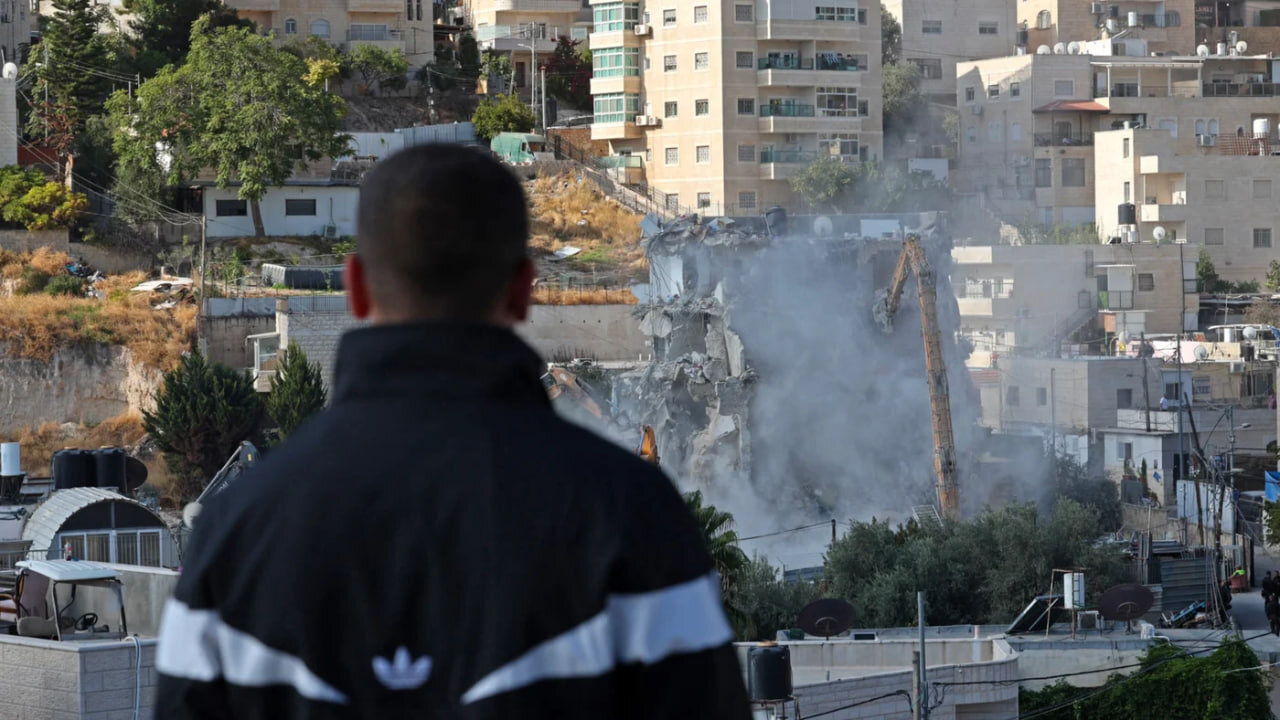
Maricarmen Abascal's death turns Madrid housing protest into vigil
Following the death of 87-year-old Maricarmen Abascal after a contentious eviction, Madrid's housing protests have evolved into a powerful public vigil.
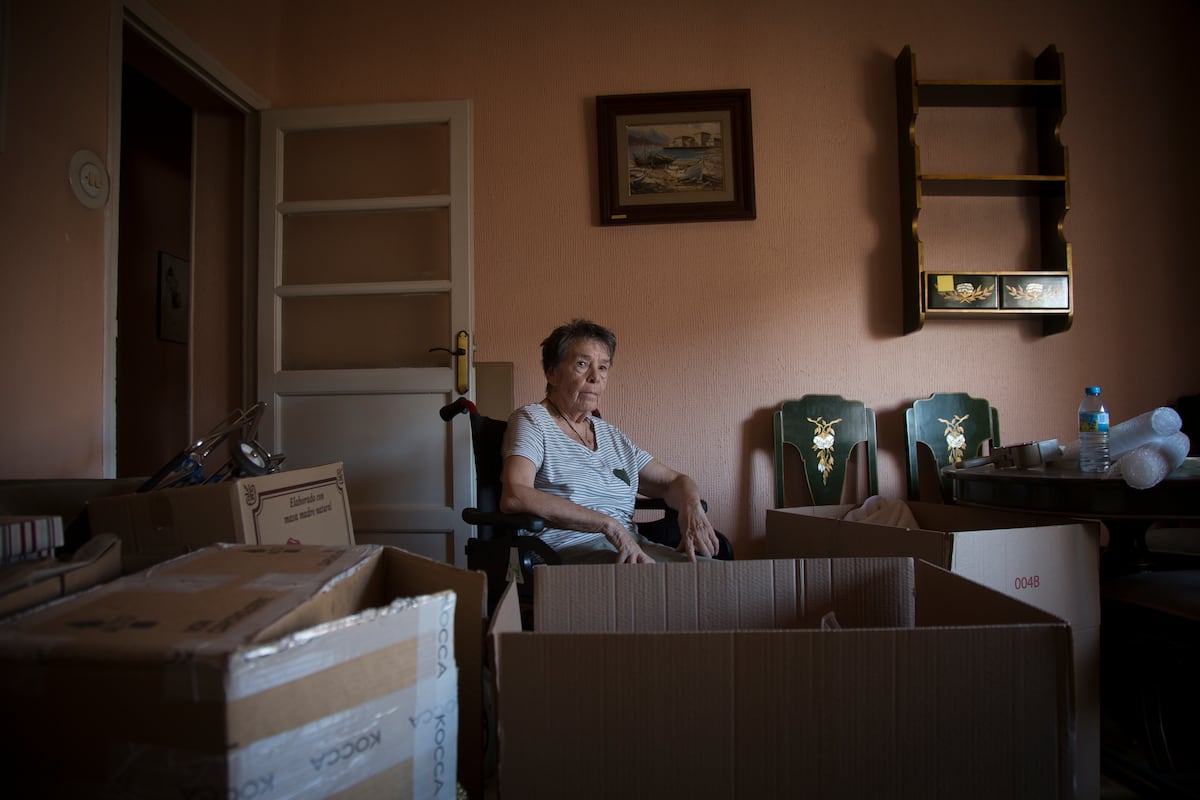
- Core Development: Following the death of 87-year-old Maricarmen Abascal after a contentious eviction, Madrid's housing protests have evolved into a powerful public vigil.
- Beat Context: Categorized under World with independent corroboration.
- Reporting Depth: 4 minute analytical read synthesized from verified newsroom sources.
When 87‑year‑old María del Carmen Abascal died on 7 October, the streets of Madrid, already thick with tents and chants, shifted from protest to vigil. A minute of silence at Puerta del Sol, candles lit outside the Spanish Parliament and a procession of mourners marching toward the Congreso de los Diputados turned the city’s housing protest into a public memorial, underscoring how a single eviction had become a national symbol of the country’s housing crisis.
Maricarmen Abascal had lived in a small flat on Alcalde Sáinz de Baranda street for more than seven decades. In September, the building’s owners—now the investment firm Urbagestion—hiked her rent from €500 to €2 650, a jump that made her pension of €1 400 insufficient to cover the new amount plus utilities. The company claimed the lease had been transferred twice, first to her mother and then to Abascal herself, a legal technicality that the owners used to justify eviction. The Madrid Tenants Union said the attempt to evict her began on 23 September and that police carried her out on a stretcher after crowds tried to stop the operation.
Media additions
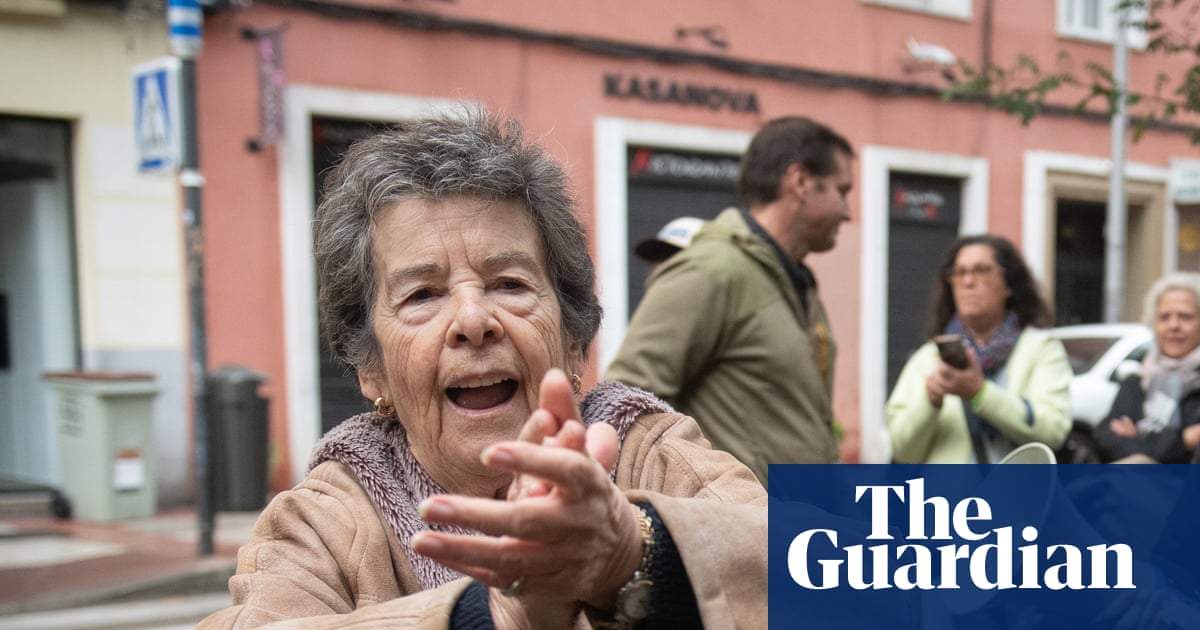

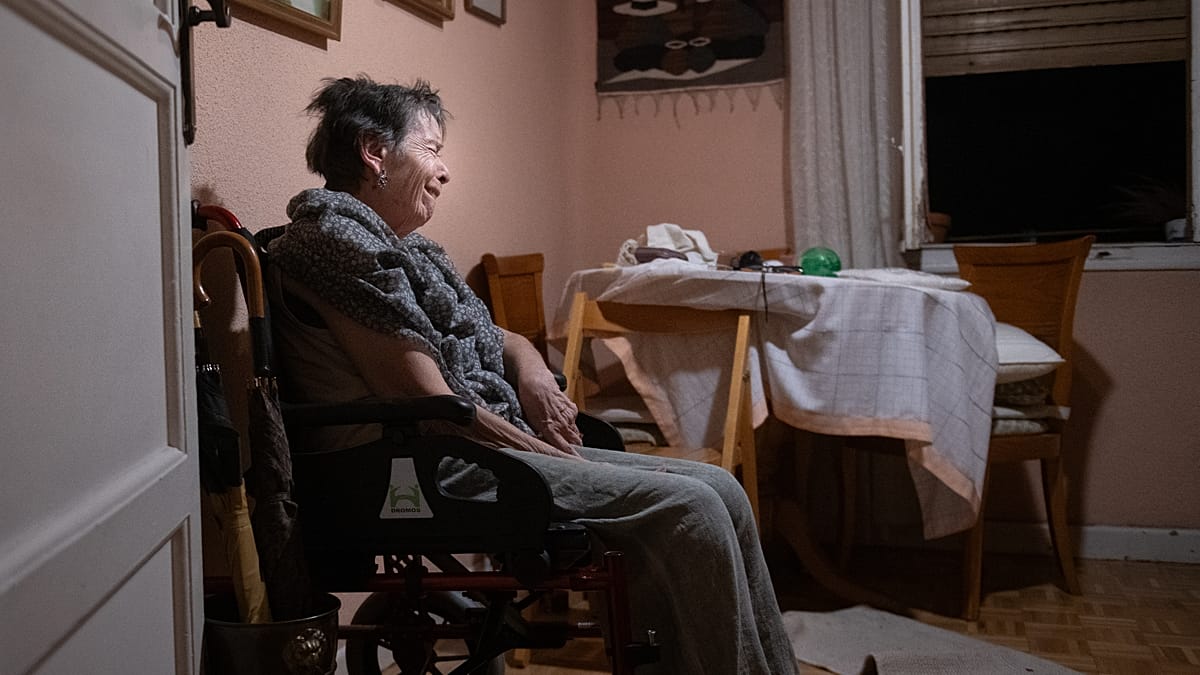
After the eviction, Abascal was admitted to Hospital Gregorio Marañón with severe exhaustion and anxiety. The union’s joint statement, signed by her family and lawyer, noted that a historic agreement had been reached that would have allowed her to return to her home, but the solution arrived too late. “The cost of getting here has been far too high,” the union said, framing her death as a “completely avoidable” and “torturous” ordeal.
On the day of her death, thousands of protesters gathered at Puerta del Sol, where they had been camping for weeks in a makeshift encampment. The crowd held a minute of silence, lit dozens of candles, and read poems by Rafael Alberti. The vigil quickly turned into a march toward the Spanish Parliament. Police erected barriers but the march proceeded, with chants such as “We will not tolerate a single eviction more” and “The fight will continue, Mari Carmen is still alive.” The procession ended at the front of the Congreso, where a second minute of silence was observed before the crowd dispersed, some staying on the square until nightfall.
Political leaders have responded with condolences and calls for respect. Pedro Sánchez posted on X that “A hug as well to all of us who feel this loss as our own today.” Spanish Minister for Territorial Policy Angel Victor Torres said Abascal “symbolised the plight of many people struggling with the country’s housing crisis.”
Abascal’s story has become a rallying point for a wider debate on housing in Spain. The Retiro district, where she lived, is one of the city’s most affluent neighbourhoods. Yet her eviction highlighted a stark contrast: rents in Madrid have risen by 80 percent over the last decade, while house prices have climbed 63 percent. The protests that followed her eviction were not limited to Madrid; demonstrations across the country reached an estimated 950 000 participants over a weekend, according to the union.
In the meantime, the vigil at Puerta del Sol remains a living memory of Abascal’s struggle. Protesters continue to light candles, read poems and hold silent moments outside the Spanish Parliament. The encampment at the square has become a symbol of resistance, a reminder that the fight for housing rights is not a single event but a sustained campaign. As the capital’s streets echo with chants of “We are all Maricarmen,” the death of the 87‑year‑old has cemented her legacy as a catalyst for change in Spain’s housing debate.
Timeline of Key Events
- 23 September – Maricarmen Abascal evicted from her Madrid flat; police carry her out on a stretcher.
- 24 September – Protesters begin encampment at Puerta del Sol.
- 7 October – Abascal dies at Hospital Gregorio Marañón; protests turn into vigil.
- 11 November – General strike announced by UGT and CCOO.
What to Watch Next
- Unions will mobilise for the 11 November strike, potentially affecting transport and public services.
- Political parties will campaign on housing policy, making it a central issue in the November election.
How significant is this development?
Contribute your assessment to the aggregated reader sentiment ledger.
Frequently Asked Questions
Key questions answered in this reportWhat is the key development in: Maricarmen Abascal's death turns Madrid housing protest into vigil?
Following the death of 87-year-old Maricarmen Abascal after a contentious eviction, Madrid's housing protests have evolved into a powerful public vigil.
Why is this World development significant for the UK?
This report covers critical events in our World beat. Independent reporting monitors related UK statements, regulatory shifts, and public responses as further verified details emerge.
How was this reporting corroborated and verified?
Newsarchy UK compiles and cross-references reporting from primary reporting from BBC and cross-checked wire reports. All coverage adheres to published editorial standards.
When was this report published?
This briefing was published on October 8, 2026 and is permanently cataloged in the Newsarchy UK World archives.