NATO Vows Space Defense Following Reports of Russian Nuclear Satellite
NATO Secretary General Mark Rutte pledged to defend alliance territory in orbit following intelligence reports that Russia is preparing to launch a nuclear-armed satellite.

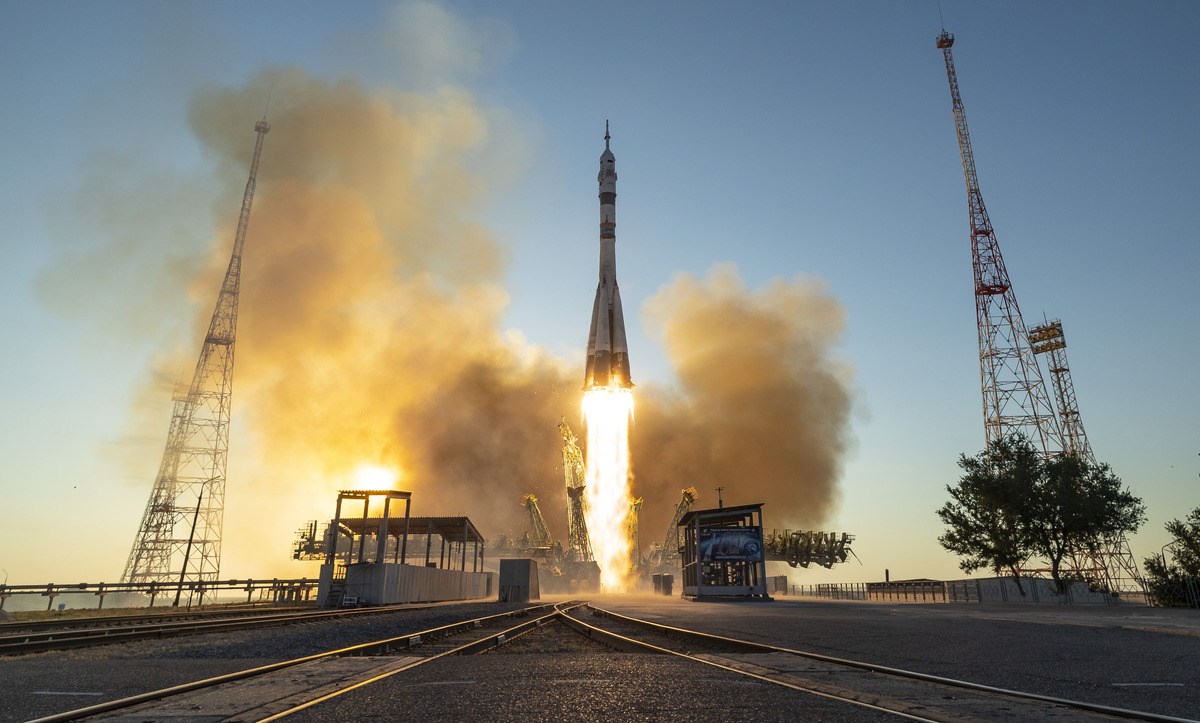
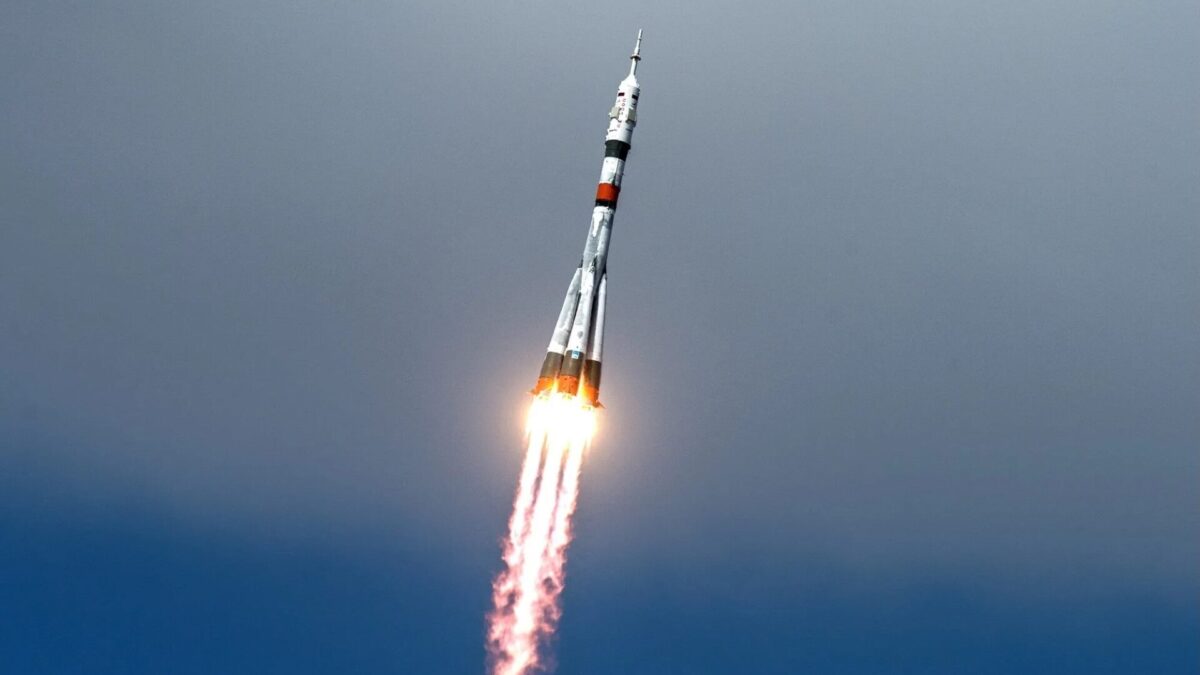
NATO has pledged to defend its territory against threats in space after German media reported that Russia is preparing to launch a nuclear-armed satellite within weeks, raising the prospect of a new front in the militarisation of orbit.
NATO Secretary General Mark Rutte made the commitment at a press conference in Berlin on Monday, 23 November, standing alongside German Chancellor Friedrich Merz. Asked about reports that Moscow could deploy a satellite carrying a nuclear warhead, Rutte said the alliance would protect every inch of NATO territory, including the space element.
Media additions
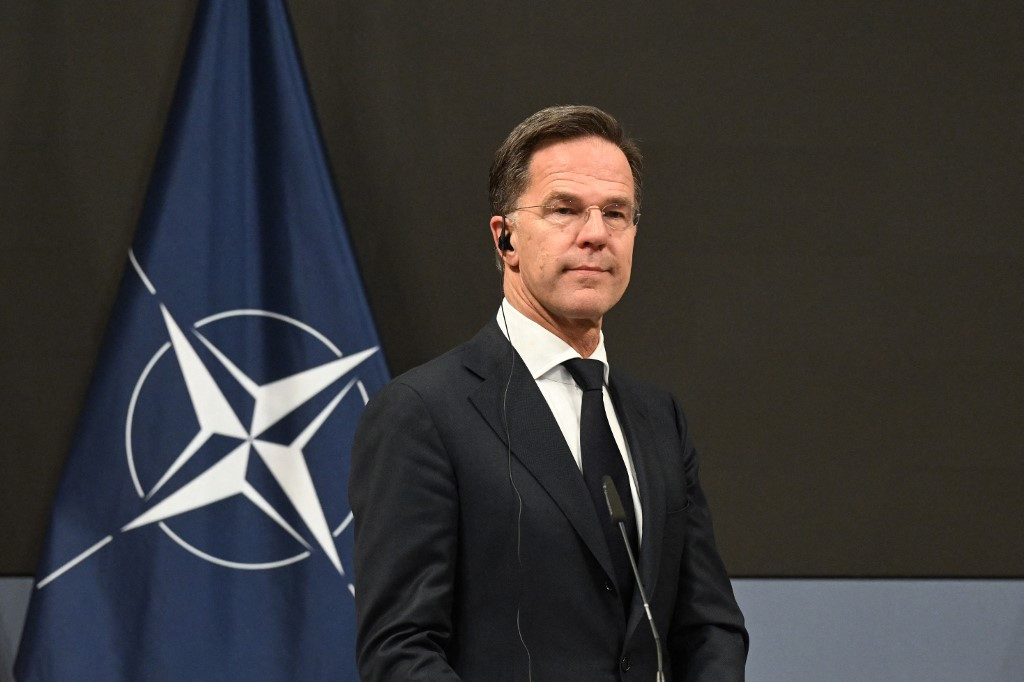
"We will always make sure we defend every inch of NATO territory, and that includes making sure we are safe when it comes to the space element."
Mark Rutte, NATO Secretary General, via Kyiv Post
The reports, published by German broadcasters NDR and WDR and the newspaper Süddeutsche Zeitung, cite unnamed German military and intelligence sources who say Russia has assembled a satellite dubbed Sputnik-S several years ago and stored it in the Moscow region. Intelligence warnings circulated in early November suggested the spacecraft could be launched within 60 days, while Germany’s military space command assessed that a launch could take place in December.
Merz did not confirm or deny the intelligence, but said reports of Russian plans to place nuclear weapons in space remained shocking despite earlier warnings. He said the allegations illustrated the level of escalation Russia appeared prepared to pursue.
"Reports that Russia is planning to introduce nuclear weaponry into space are not new, yet they remain no less shocking."
Friedrich Merz, German Chancellor, via Kyiv Post
A German government spokesman said authorities were treating the reports seriously but cautioned against creating unnecessary public anxiety over threats that had not been established. Germany’s foreign intelligence service, the BND, declined to comment, and the German military’s space command referred inquiries to general statements that threats in space were being taken seriously.
| Source | Reported launch window | Satellite status | Russian response |
|---|---|---|---|
| Kyiv Post | Within 60 days; possibly December 2026 | Fully constructed and stored near Moscow for several years | Embassy called allegations unfounded and part of a propaganda campaign |
| Aerotime | December 2026; within weeks | Built several years ago, stored in Moscow region | Embassy rejected reports as unfounded; Peskov dismissed claims |
| Telegraph | Within 60 days; before end of year | Removed from storage in Moscow in preparation for launch | Peskov said intelligence was “hardly worth taking seriously” |
Moscow has rejected the allegations. Kremlin spokesman Dmitry Peskov said he had not seen the latest reports and dismissed claims based on unnamed sources. The Russian embassy in Berlin described the accusations as unfounded and said Russian space activities served exclusively peaceful purposes and complied with international obligations.
The reported satellite would violate the 1967 Outer Space Treaty, to which Russia is a signatory, which prohibits countries from placing nuclear weapons and other weapons of mass destruction in orbit.
NATO recognised space as an operational domain in 2019, and at the 2021 Brussels summit allies agreed that attacks to, from, or within space could lead to the invocation of Article 5, the alliance’s collective-defence provision. Any such decision would be taken by the North Atlantic Council on a case-by-case basis. NATO’s published policy states the alliance has no intention of placing weapons in space and will continue relying on national space assets to support its operations.
Rutte said NATO had several options available to respond to developments in the military domain and that the alliance regularly assessed its deterrence and defence capabilities, making adjustments when necessary. He did not announce an Article 5 decision or identify a specific response to the reported Russian preparations.
Experts warn that a nuclear detonation in orbit would not distinguish between military and civilian spacecraft. Josef Aschbacher, head of the European Space Agency, described nuclear weapons in space as “the ultimate nightmare scenario.” Bleddyn Bowen, co-director of the Space Research Centre at Durham University, said exploding a nuclear weapon in space would have massive infrastructural effects given more than 15,000 active satellites, but added that the effect would be indiscriminate and would also take out much of Russia’s own space infrastructure.
US Space Command chief General Stephen Whiting has estimated that roughly one-third of satellites in low Earth orbit could fail within hours or days of such a detonation, with further failures over subsequent months. Disruption could affect communications, navigation, weather forecasting, transport, financial transactions and infrastructure networks on Earth.
The reports follow a pattern of Western warnings about Russian space capabilities. In 2024, the United States accused Russia of developing a space-based anti-satellite weapon equipped with a nuclear warhead, an allegation Moscow rejected. President Vladimir Putin said at the time that Russia was categorically against deploying nuclear weapons in space. Last month, a declassified US Defence Intelligence Agency report warned that Russia is developing a satellite designed to carry a nuclear weapon for use against other satellites, saying such a capability could cause rapid loss or degradation of thousands of satellites and leave lingering radiation belts that could persist for years.
In September, US Air Force Secretary Troy Meink said Washington had space-control weapons operating in orbit but provided no further details. The Kremlin responded by insisting that space should remain free of weapons.
The war in Ukraine has underscored the critical role of orbital networks on the modern battlefield, where satellite systems guide military drones and provide intelligence. Western officials have alleged that Russia has been developing a nuclear weapon for years that could potentially destroy entire satellite networks, including SpaceX’s Starlink internet system, which Ukrainian forces have used during the war.
What to watch next
- Whether NATO or Germany confirms the authorship of the intelligence reports on Sputnik-S.
- Any announcement of specific alliance countermeasures or changes to deterrence posture in space.
- Whether Russia proceeds with a launch in December 2026, as assessed by Germany’s military space command.
- Further discussion at the North Atlantic Council on whether space-based attacks could trigger Article 5.
For now, Rutte’s vow leaves NATO’s position clear in principle but undefined in practice: the alliance will defend its territory in space, but has not said how, or under what conditions, it would act if a nuclear-armed satellite reaches orbit.
Read more world news.