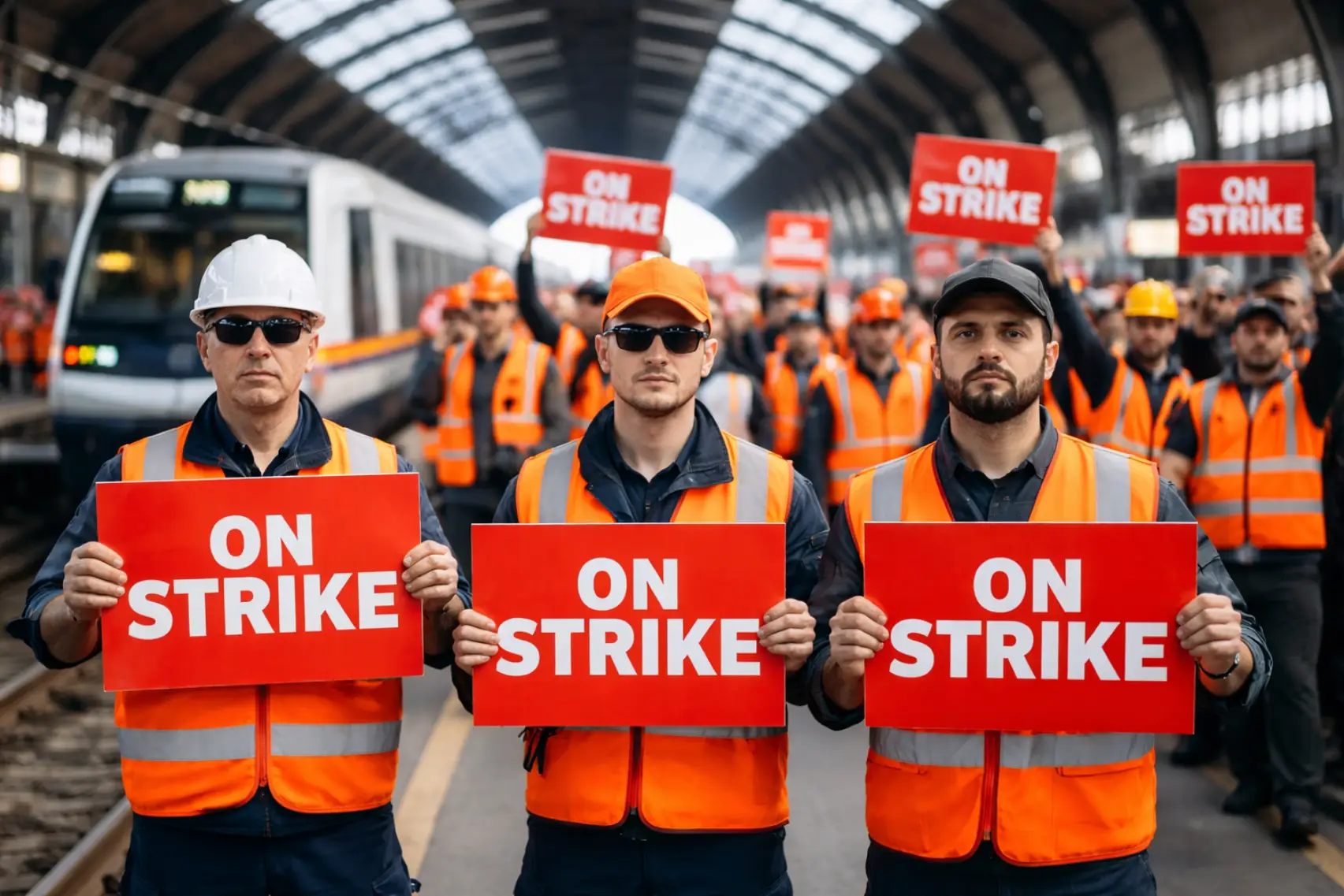
Belgian Air Traffic Strike Grounds Flights at Brussels and Charleroi
A national air traffic strike has grounded flights at Brussels and Charleroi airports, disrupting travel amid ongoing federal budget disputes.

Belgium's major airports faced widespread flight suspensions as air traffic controllers walked out during a national day of union action.
The industrial action grounded flights at Brussels Airport and Brussels South Charleroi Airport, bringing renewed attention to the country's aviation reliability and public services. According to Travelling for Business, the disruptions form part of a broader wave of labour unrest linked to federal budget disputes, leaving thousands of passengers scrambling for alternative travel options across the transport network. According to the Board of Airline Representatives in Belgium, this walkout marks the eleventh strike hitting Belgian airspace in eleven months.
Media additions

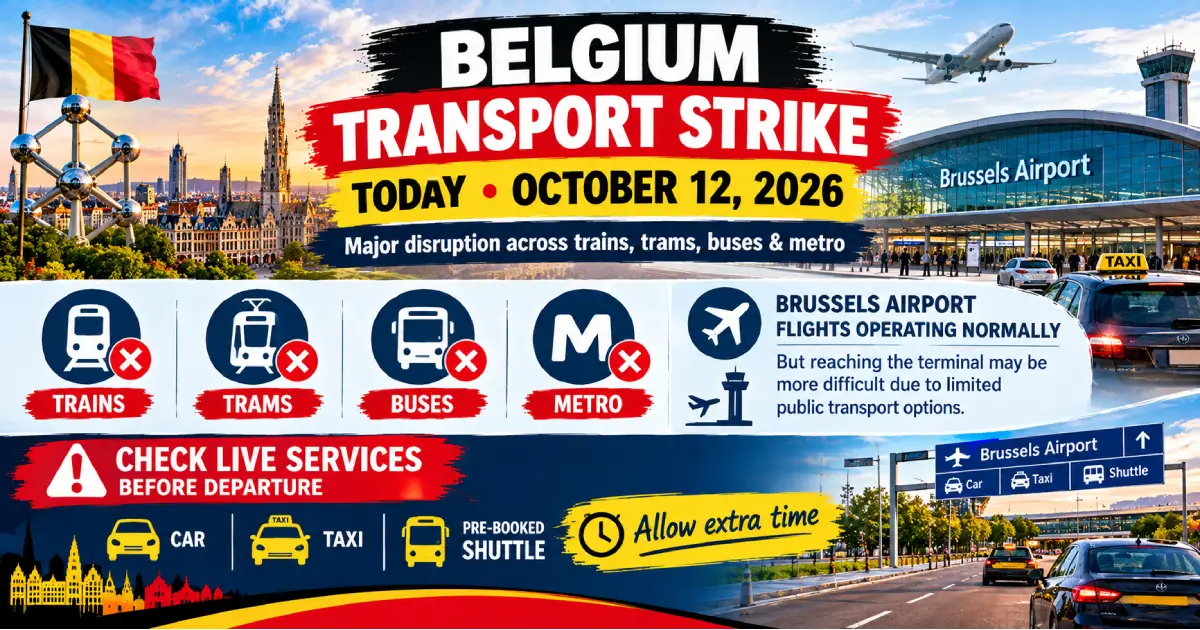
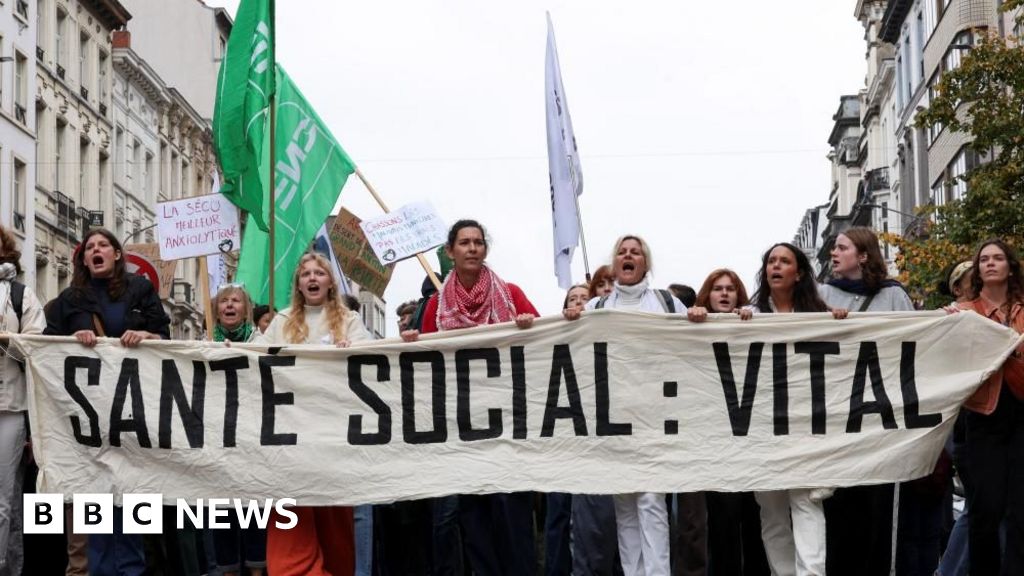
At Brussels Airport, all departing and arriving flights were cancelled during the core daytime window. Operating provider skeyes explained that expected staffing levels fell below the threshold required to manage regular traffic safely. Consequently, normal services were temporarily suspended across Belgian airspace, with only emergency and safety-critical flights maintained. Similar restrictions halted commercial takeoffs and landings at Charleroi Airport, where airport authorities urged travellers to avoid the terminal entirely. Both hubs warned that knock-on delays would likely persist into subsequent mornings as aircraft and crews remained out of position.
The late notice given by skeyes drew sharp criticism from airlines and airport management. Brussels Airlines reported that the sudden announcement left carriers with minimal time to adjust schedules or reallocate aircraft. Ground operations at Charleroi were similarly strained, affecting thousands of workers and holidaymakers alike. According to AeroTime as reported by Travelers Today, Charleroi Airport noted that the late notice affected thousands of passengers, airlines, and about 3,400 people who work at the airport, prompting a call for a coordinated plan to protect Belgian airport operations.
Parallel to the aviation shutdown, public transport networks experienced severe cutbacks. In Brussels, local operator STIB maintained limited services on selected metro lines alongside reduced tram and bus frequencies. Regional operators in Flanders and Wallonia also reported diminished capacity, while central streets saw heavy police presence and road closures due to mass demonstrations. Meanwhile, national railway operator SNCB reported that no formal strike notice had been submitted for trains, though major stations experienced heavy congestion as protesters mobilized.
| Airport / Operator | Disruption Status | Impact Window |
|---|---|---|
| Brussels Airport (BRU) | All arriving and departing flights cancelled | 07:00 to 21:00 local time |
| Brussels South Charleroi (CRL) | Commercial takeoffs and landings suspended | 07:00 to 21:00 local time |
| SNCB (National Rail) | Normal train schedules operating; stations congested | Throughout strike day |
| STIB (Brussels Public Transport) | Limited metro lines; reduced bus and tram routes | Throughout strike day |
The protests stem from deep-seated friction between trade unions and the federal government over fiscal policy and structural reforms. Prime Minister Bart De Wever's administration has pursued significant spending reductions to rein in public deficits, triggering strong pushback from labour organizations. Unions argue that the proposed austerity measures place an unfair burden on everyday workers, benefit recipients, and public sector employees. According to Travel Tomorrow and AeroTime via Travelers Today, Prime Minister Bart De Wever offered his resignation, which the king has so far refused, while the Flemish business lobby Voka criticized the economic and social consequences of the strikes and said actions must be proportionate to their aims.
Passengers affected by the cancellations face complex itineraries for refunds and rerouting. Under applicable passenger rights regulations, airlines are required to provide care—including meals and accommodation—when flights are cancelled, though cash compensation is generally not payable for air traffic control strikes treated as extraordinary circumstances.
What to watch next
- Airlines restoring standard flight schedules following crew and aircraft repositioning.
- Further announcements from trade unions regarding potential follow-up demonstrations or general strikes.
- Ongoing federal budget negotiations and government responses to union demands regarding pensions and public spending.