Three Khamenei sons attend funeral as successor Mojtaba absent
Mostafa, Meysam, and Masoud Khamenei appeared at Tehran's Imam Khomeini Grand Mosalla for their father's funeral, intensifying speculation over the status of Mojtaba Khamenei.
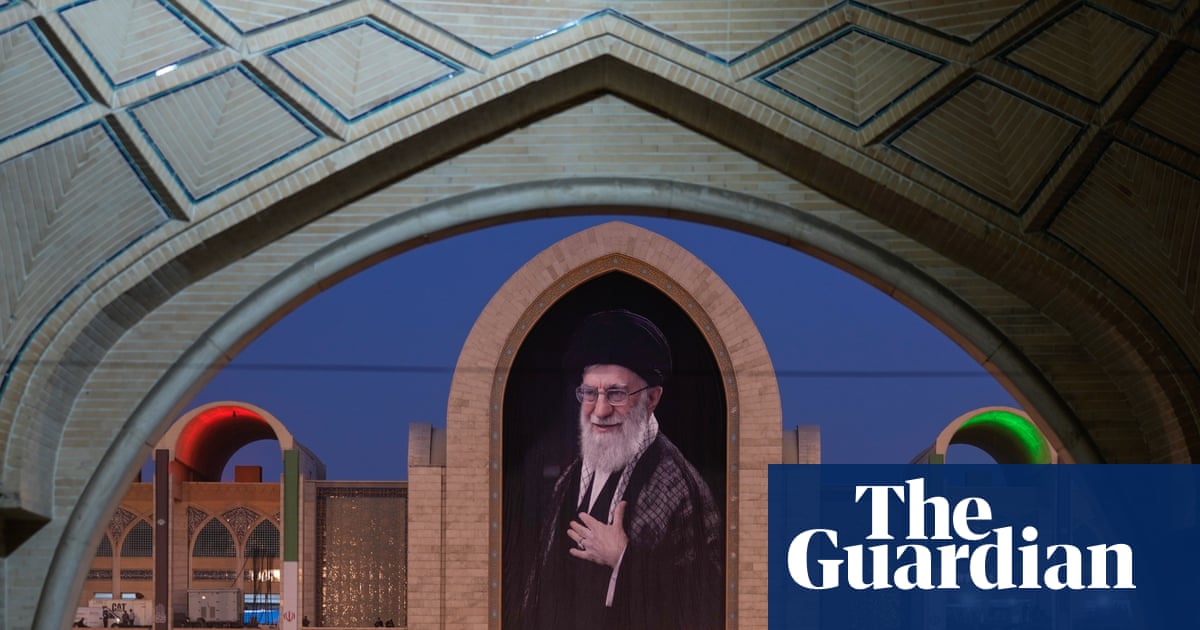
- Core Development: Mostafa, Meysam, and Masoud Khamenei appeared at Tehran's Imam Khomeini Grand Mosalla for their father's funeral, intensifying speculation over the status of Mojtaba Khamenei.
- Beat Context: Categorized under World with independent corroboration.
- Reporting Depth: 3 minute analytical read synthesized from verified newsroom sources.
Three surviving sons of Iran’s late Supreme Leader, Ayatollah Ali Khamenei, stood before the public on Sunday, 5 July 2026, to attend funeral prayers for their father and four other family members. The ceremony, held at the Imam Khomeini Grand Mosalla in Tehran, marked the second day of a planned state mourning period. However, the absence of the successor, Mojtaba Khamenei, remained the focal point for both mourners and observers as the country navigates a transition of power.
State television broadcasts showed Mostafa, Meysam, and Masoud Khamenei praying in the vast courtyard of the religious complex. The caskets laid out for the service contained the remains of the former Supreme Leader, his daughter, his son-in-law, his daughter-in-law, and his 14-month-old granddaughter. These family members were killed alongside the former leader on 28 February 2026, during the opening strikes of the war involving Iran, Israel, and the United States.
Media additions

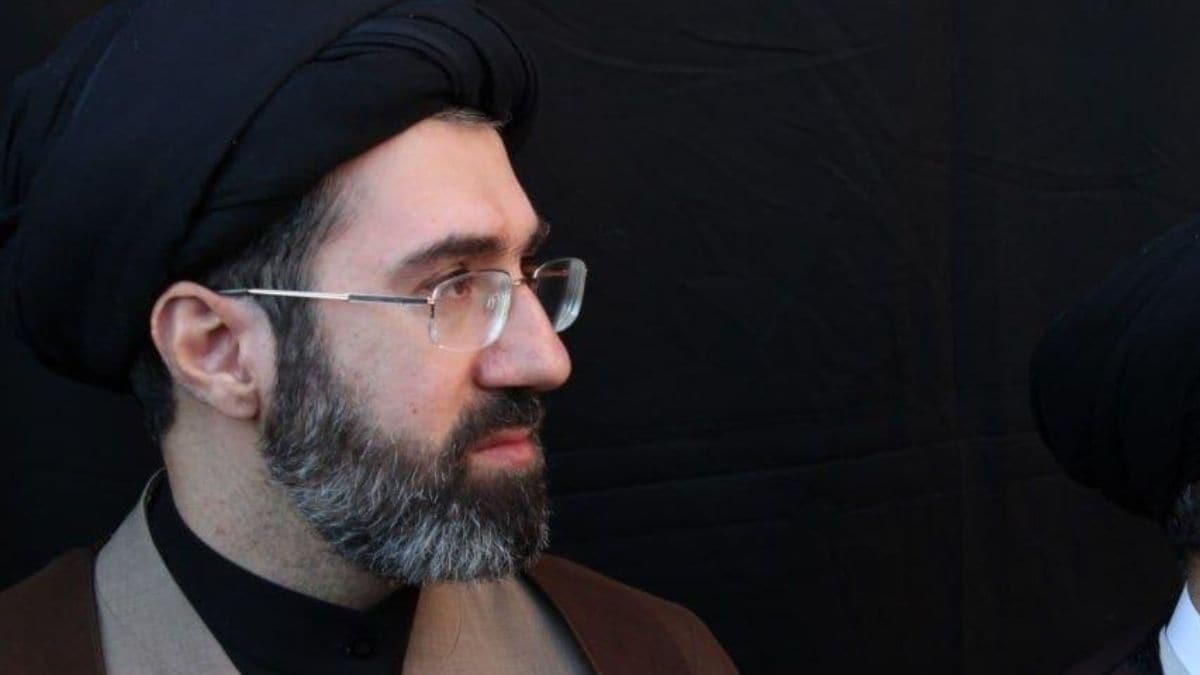

Despite his status as the successor, Mojtaba Khamenei has not appeared in public since that February attack. Reports from individuals close to his circle suggest he sustained serious injuries in the strike, including facial disfigurement and significant damage to his legs. While Iranian authorities have claimed he is recovering and directing state affairs behind the scenes, his prolonged absence has led to mounting speculation regarding his physical condition and the stability of the Islamic Republic’s leadership. The Iranian president, Masoud Pezeshkian, stated that he held a direct, two-and-a-half-hour meeting with the new leader, though no images or specific details of the location were provided.
Security concerns have been cited as the primary driver for Mojtaba’s continued withdrawal from public view. Ayatollah Hakim Elahi, the representative of the Supreme Leader in India, indicated that while the successor expressed a desire to attend the ceremonies and lead prayers, security officials advised against such a move. According to Elahi, officials stated that they could not guarantee his safety in a public setting due to significant risks and potential surveillance. These concerns are amplified by the broader regional climate, as Iranian officials have openly linked the necessity for strict security measures to ongoing threats from Israel.
The state-led funeral serves as a massive logistical undertaking, with the government mobilizing resources to provide transportation, food, and lodging for millions of people. Tehran’s metro system reported approximately 7 million passenger trips between late Saturday and Sunday morning as crowds flocked to the capital. The intensity of the public response, characterized by weeping and chest-beating, highlights the perceived void left by the former leader’s death. During the service, Masoud Khamenei was observed wiping tears with a keffiyeh, a scarf recognized in Iran as a symbol of revolutionary solidarity and militant ideals.
The funeral process will continue through a series of locations in the coming days. Following the Tehran procession, the remains are scheduled to travel to the seminary city of Qom on 7 July. From there, the body will be transported to Iraq for ceremonies in the holy cities of Najaf and Karbala, before returning to Iran for a final burial near the tomb of a medieval Shia imam in Mashhad on 9 July.
The transition occurs against a delicate geopolitical backdrop. A ceasefire currently suspends the four-month war between Iran and its adversaries, though U.S. President Donald Trump confirmed that peace negotiations have been paused for the duration of the funeral week. Iranian officials, including Foreign Minister Seyed Abbas Araghchi and commander Ali Abdollahi, have issued stark warnings to the United States and Israel, promising an immediate and harsh response to any threats directed at the country’s leadership or people.
How significant is this development?
Contribute your assessment to the aggregated reader sentiment ledger.
Frequently Asked Questions
Key questions answered in this reportWhat is the key development in: Three Khamenei sons attend funeral as successor Mojtaba absent?
Mostafa, Meysam, and Masoud Khamenei appeared at Tehran's Imam Khomeini Grand Mosalla for their father's funeral, intensifying speculation over the status of Mojtaba Khamenei.
Why is this World development significant for the UK?
This report covers critical events in our World beat. Independent reporting monitors related UK statements, regulatory shifts, and public responses as further verified details emerge.
How was this reporting corroborated and verified?
Newsarchy UK compiles and cross-references reporting from primary reporting from theguardian.com and cross-checked wire reports. All coverage adheres to published editorial standards.
When was this report published?
This briefing was published on July 5, 2026 and is permanently cataloged in the Newsarchy UK World archives.


