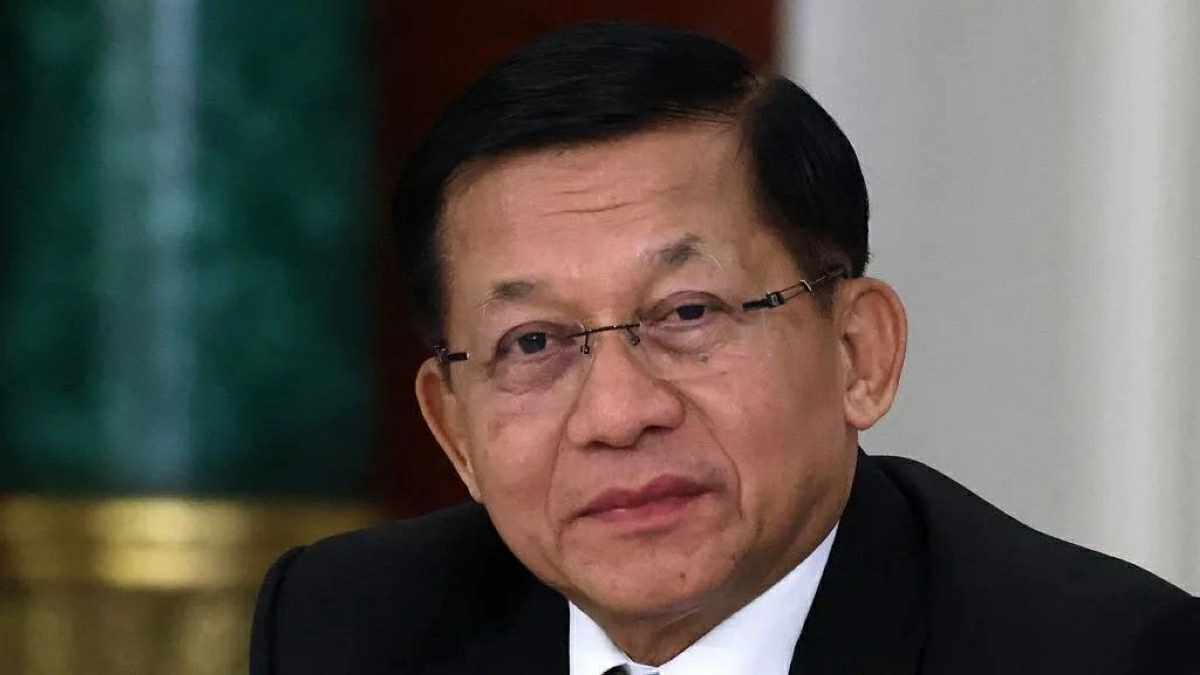
Myanmar refuses to comply with parts of ICJ genocide ruling
Speaking on Wednesday, 25 November 2026, Myanmar’s military-backed president, Min Aung Hlaing, delivered his first public remarks since the International Court of Justice (ICJ) issued its historic judgment. According to state-run media outlets, including A News and the Saudi Gazette, the coup leader turned president told cabinet and union officials in the capital of Naypyidaw that his administration would act as a responsible country should, but would reject demands it considers unsuitable.
"Myanmar would take actions appropriate for a responsible country but would not comply with requirements it considered inappropriate."
Media additions
Image via A NewsImage via Yahoo News SingaporeImage via Saudi Gazette
Min Aung Hlaing, President and coup leader, via Nilepost
The landmark ICJ verdict, handed down on Thursday, 19 November 2026, concluded a case brought initially by The Gambia in 2019 under the 1948 Genocide Convention. The judicial panel ruled by a majority of nine votes to six that Myanmar bore state responsibility for orchestrating a brutal 2017 military crackdown in Rakhine State, making it the first sovereign state found in violation of the Convention since its inception.
State media reported that Min Aung Hlaing dismissed the litigation as a one-sided accusation, asserting that the application of the term "genocide" had severely damaged the nation's reputation. However, official statements failed to specify which particular elements of the court's multi-part injunction the government objects to. Earlier, spokesperson Khaing Khaing Soe characterized the verdict as unfair and lacking unanimity.
During the 2017 operations—historically defended at the Hague by former state counselor and Nobel laureate Aung San Suu Kyi—security forces carried out systematic clearance operations. The ICJ found that approximately 10,000 Rohingya were violently killed, while over 700,000 fled on foot or by sea into neighbouring Bangladesh. The court determined that roughly 815,000 people were targeted in total, and that villages were systematically destroyed and subsequently repopulated by non-Rohingya inhabitants.
Judges rejected Myanmar's long-standing counter-insurgency defense, noting an absence of evidence distinguishing between civilians and armed insurgents. Alongside the genocide finding, the court ordered Myanmar to halt ongoing violations, investigate and prosecute suspects, facilitate the safe and dignified return of displaced refugees, and provide proportionate reparations with specific sums deferred to a later date.
Legal experts and geopolitical analysts have emphasized that enforcing these binding obligations remains fraught with practical and political hurdles. Sajjad M Jasimuddin, head of the Geopolitics Strategy Lab in France, noted that enforcement depends heavily on international political will, cooperation among global powers, and adherence to Article 94 of the United Nations Charter. Because the ICJ possesses no independent police apparatus or automatic sanctioning authority, compliance relies on the UN Security Council and bilateral pressure from individual states such as China, the United States, India, and Malaysia.
Judicial Metric
ICJ Determination
Date of Landmark Ruling
19 November 2026
Judicial Vote Margin
9 votes to 6
Estimated Rohingya Killed
Approximately 10,000
Estimated Displaced to Bangladesh
More than 700,000
Total Individuals Targeted
Approximately 815,000
Compounding the enforcement crisis, the central military junta no longer exerts territorial control over large swaths of Rakhine State. Much of the region has fallen to the Arakan Army, an ethnic armed group that has itself faced accusations of committing severe abuses against remaining Rohingya populations.
The ruling has accelerated Myanmar's diplomatic isolation, building on years of civil war and international sanctions triggered by the 2021 military coup led by Min Aung Hlaing. More than a dozen countries have formally acknowledged the verdict, and the United Kingdom has announced targeted economic sanctions against senior military leaders.
Civil society organizations are already lobbying against international rehabilitation efforts. Following the ruling, the Arakan Rohingya National Congress (ARNC), led by U Shwe Maung, publicly urged Vietnamese authorities to rescind an invitation extended to Min Aung Hlaing for regional summits hosted in Hanoi over the weekend, including the Cambodia-Laos-Myanmar-Vietnam gathering and the Ayeyawady-Chao Phraya-Mekong Economic Cooperation Strategy summit.
What happens next depends on diplomatic escalation and potential referral mechanisms. Under legal frameworks outlined by legal scholars, if Myanmar officially defies the tribunal's binding demands, The Gambia can escalate the matter directly to the United Nations Security Council, where member states may weigh multilateral enforcement actions and economic penalties.