Guinea-Bissau's military leaders delay return to civilian rule until 2028
Guinea-Bissau's military leadership has delayed upcoming elections by two years, extending army rule until November 2028 due to a lack of conditions.

Guinea-Bissau's military leadership has pushed back elections by two years, keeping the West African nation under army rule until late 2028 according to reports by international news outlets.
The announcement arrived on the first anniversary of the November 26, 2025 military takeover that ousted President Umaro Sissoco Embaló. Transitional President General Horta Inta-a, also referred to in some BBC reports as General Horta N'Tam, issued a decree moving the presidential and legislative polls from December 6, 2026, to November 26, 2028. The original timeline had promised a return to civilian democratic governance within twelve months.
Media additions

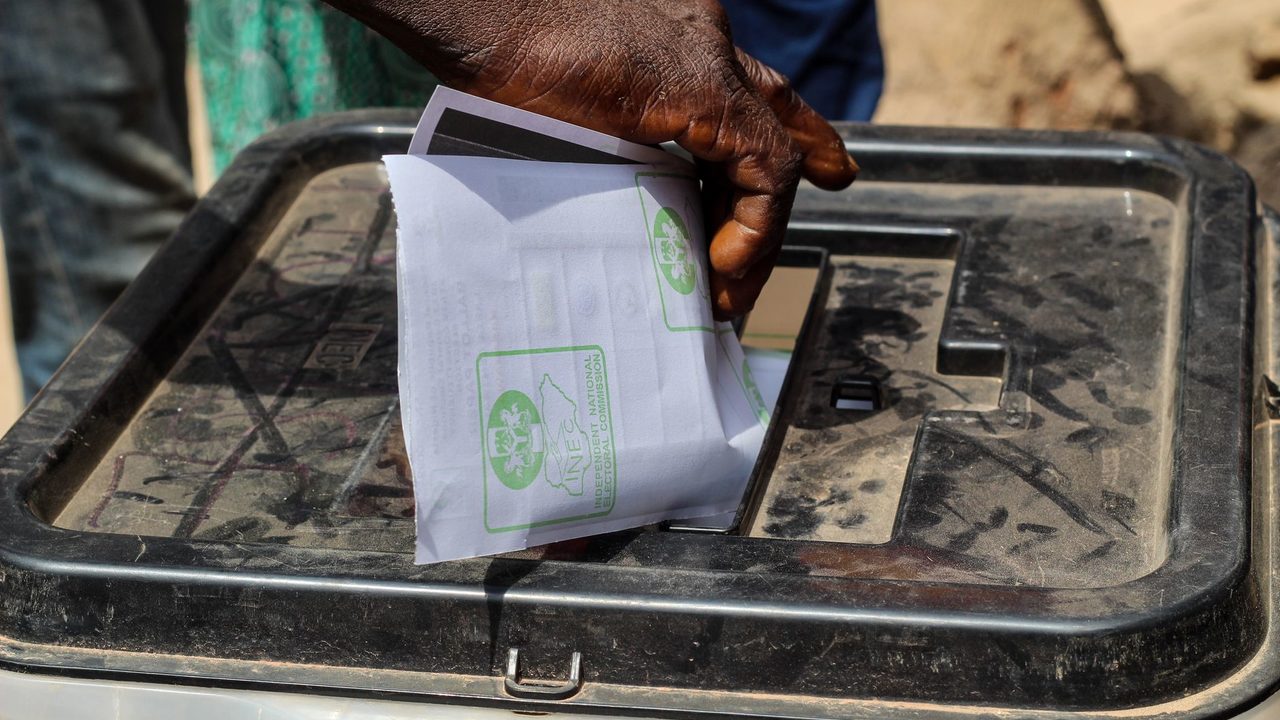
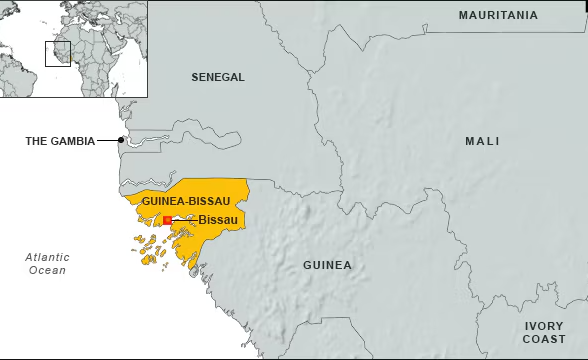
According to the presidency's official statements reported by the Arise network and other broadcasters, authorities found an insufficiency of the technical, material and financial conditions
required to stage a credible vote. Officials argued that rushing to the ballot box without proper operational arrangements would endanger transparency, inclusiveness, and public confidence. Prime Minister Ilídio Vieira Té had previously signaled to the public that conditions were unready for a December contest, noting that political parties were not adequately prepared.
The extended military administration follows a constitutional referendum held in August 2026. That vote successfully replaced the nation's semi-parliamentary system with a strong presidential framework, expanding executive powers and reducing the size of parliament. The PAIGC, the party that led the country to independence from Portugal in 1974, criticized the vote due to restrictions on public freedoms. The military's initial intervention on November 26, 2025, struck on the eve of provisional results being declared for a bitterly contested general election. Both deposed leader Embaló and main opposition challenger Fernando Dias had claimed victory, as detailed by Trendsnafrica. Embaló subsequently moved into exile in Morocco. Although he expressed an interest in running in the planned December 2026 election, the transitional government barred him from returning last month, citing security and public order concerns.
Regional diplomacy faces mounting friction over the prolonged transition. The Economic Community of West African States (ECOWAS) previously demanded a short, structured, and transparent handover to civilians, suspending Guinea-Bissau from its decision-making bodies following the 2025 coup and rejecting the transition program initially announced. Senegal's foreign minister led an ECOWAS-mandated mediation mission to Bissau to engage with local political parties, civil society, and transitional authorities, yet the bloc has not formally accepted the new timeline.
| Milestone Event | Original Date | Revised Date / Status |
|---|---|---|
| Military Coup & Ouster of Embaló | November 26, 2025 | Completed (Transition started) |
| Constitutional Referendum | August 2026 | Approved (Expanded presidential powers) |
| Scheduled Presidential & Legislative Elections | December 6, 2026 | Postponed by two years |
| New Election Date for Return to Civilian Rule | Not initially slated | November 26, 2028 |
Independent analysts emphasize that the fragile nation has struggled with frequent instability since gaining independence from Portugal in 1974. Furthermore, international bodies including the United Nations Office on Drugs and Crime have repeatedly identified the coastal state as a key transit hub for cocaine moving between Latin America and Europe, an illicit economy that experts say consistently fuels its political crises.
What to Watch Next
- Formal reactions from ECOWAS heads of state and regional mediation teams regarding the extended timetable.
- Responses from major domestic political factions, including the PAIGC party and the political camp loyal to exiled former president Embaló.
- Preparation and scheduling details for Guinea-Bissau's first-ever municipal elections, which transitional authorities have proposed to hold in 2027 ahead of the national vote.