Netanyahu says no Israeli withdrawal from Gaza until Hamas has been completely disarmed
Prime Minister Benjamin Netanyahu announced that Israel will refuse to pull back from Gaza until Hamas is completely disarmed, directly challenging a U.S.-backed ceasefire framework.

- Core Development: Prime Minister Benjamin Netanyahu announced that Israel will refuse to pull back from Gaza until Hamas is completely disarmed, directly challenging a U.S.-backed ceasefire framework.
- Beat Context: Categorized under World with independent corroboration.
- Reporting Depth: 4 minute analytical read synthesized from verified newsroom sources.
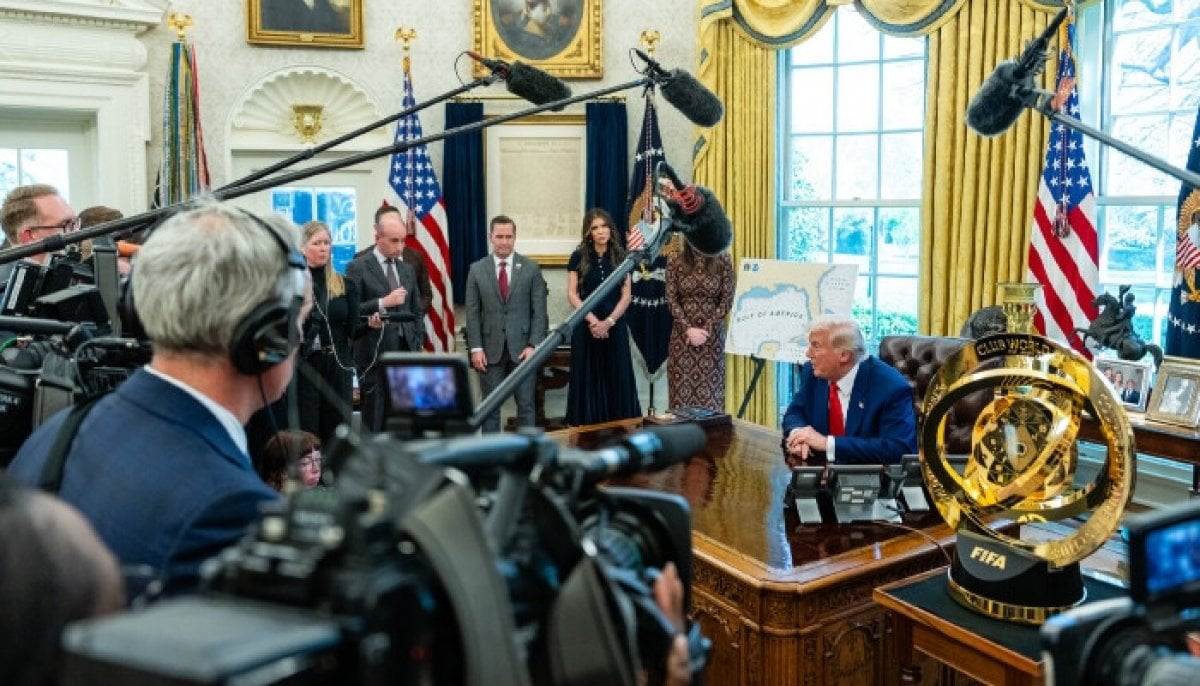
Israeli Prime Minister Benjamin Netanyahu announced on Tuesday that Israel will not pull its forces back from the areas it currently controls in Gaza until Hamas is fully disarmed. The remark, delivered in a video posted to social media, directly challenges a draft cease‑fire agreement announced by U.S. President Donald Trump and adds fresh tension to a partnership that has been unusually strained since the war began.
The statement came as families in Gaza gathered for a mass funeral of more than 100 victims finally recovered from a deadly Israeli strike in 2023. The solemn ceremony underscored how the conflict’s humanitarian toll continues to shape the political calculus on both sides of the frontline.
Media additions

What changed and why it matters now
Netanyahu’s refusal to heed the Trump‑brokered outline — where Hamas would start disarming in exchange for Israel halting its strikes and withdrawing from roughly 60 percent of Gaza — places the next phase of the war in jeopardy. If Israel does not begin a phased pull‑out, the International Stabilisation Force that the October ceasefire called for cannot be deployed, and reconstruction under an independent Palestinian administration remains on hold.
“We will do whatever is necessary to protect ourselves, our territory, and our citizens,” Netanyahu said, emphasizing that disarmament must precede any Israeli redeployment. The Prime Minister also pressed the Trump administration, “sent us a draft. We did not agree. It is not our draft. We sent our comments… This is our position.” Wandtv and AP News reported the identical phrasing.
Background of the disputed cease‑fire framework
In October, an U.S.–backed ceasefire halted major Israeli operations and secured the release of the remaining hostages captured on 7 October 2023. The agreement stipulated two parallel tracks: Hamas would begin to surrender its arsenal, and Israel would start pulling back from the territory it controls, allowing an International Stabilisation Force to supervise a transition to civilian rule.
Netanyahu’s latest comments suggest Israel will not move forward on the second track until the first is demonstrably complete. The Trump administration, meanwhile, maintains that its draft remains the basis for a negotiated settlement, setting the stage for a diplomatic tug‑of‑war.
Human cost on the ground
Casualty figures continue to rise. Gaza’s Health Ministry, regarded by UN agencies as reliable, reports more than 73,377 Palestinians killed since the conflict began, including 1,252 since the ceasefire took effect. Female and child deaths dominate the toll, though the ministry does not break down combatant versus civilian figures.
Israel, for its part, says five of its soldiers have been killed since the ceasefire. It frames its strikes as targeting militants who participated in the 7 October attacks, who threaten Israeli troops, or who violate international norms.
Families still search for loved ones buried under rubble. Zaher al‑Waheidi, head of the ministry’s records department, says at least 7,400 people have been reported missing, a number that may understate the true scale because entire families were sometimes wiped out in single bombings.
Over the weekend, first responders recovered the remains of 112 victims, including 40 children, from a badly damaged block in Gaza City’s Sabra neighbourhood. The bodies belonged to members of the Hassayna and Abu Sharia clans, who were killed in an Israeli strike on 22 November 2023 that flattened the residential block.
“The only crime of these martyrs was that they remained steadfast and resilient in their homes, believing that these homes would protect them.”
Taysir al‑Hassayna, relative, via The Associated Press
Timeline of key developments
- 7 October 2023 – Hamas militants launch a surprise attack on southern Israel, killing around 1,200 people and taking 251 hostages.
- 22 November 2023 – Israeli airstrike flattens a residential block in Gaza City’s Sabra neighbourhood, killing more than 300 people.
- October 2023 – U.S.–backed ceasefire agreement signed, calling for Hamas disarmament and Israeli withdrawal, and for an International Stabilisation Force to be deployed.
- 26 November 2024 – Netanyahu appears on television in Jerusalem reiterating that Israel will not withdraw until Hamas is fully disarmed (source: video screenshot cited by Wandtv).
What to watch next
- Whether the Trump administration will revise its draft proposal or issue a new framework that satisfies Israel’s demand for complete Hamas disarmament.
- Continued recovery efforts in Gaza, including the identification of missing persons and the delivery of aid to the growing tent camps that house displaced residents.
As the cease‑fire’s fragile calm persists, the question of when, and if, Israel will begin withdrawing remains bound to the elusive goal of a fully disarmed Hamas. Until that moment arrives, both the battlefield and the diplomatic arena are likely to stay locked in a tense stand‑off, with Gaza’s civilian population bearing the brunt of the stalemate.
How significant is this development?
Contribute your assessment to the aggregated reader sentiment ledger.
Frequently Asked Questions
Key questions answered in this reportWhat is the key development in: Netanyahu says no Israeli withdrawal from Gaza until Hamas has been completely disarmed?
Prime Minister Benjamin Netanyahu announced that Israel will refuse to pull back from Gaza until Hamas is completely disarmed, directly challenging a U.S.-backed ceasefire framework.
Why is this World development significant for the UK?
This report covers critical events in our World beat. Independent reporting monitors related UK statements, regulatory shifts, and public responses as further verified details emerge.
How was this reporting corroborated and verified?
Newsarchy UK compiles and cross-references reporting from primary reporting from apnews.com and cross-checked wire reports. All coverage adheres to published editorial standards.
When was this report published?
This briefing was published on August 5, 2026 and is permanently cataloged in the Newsarchy UK World archives.