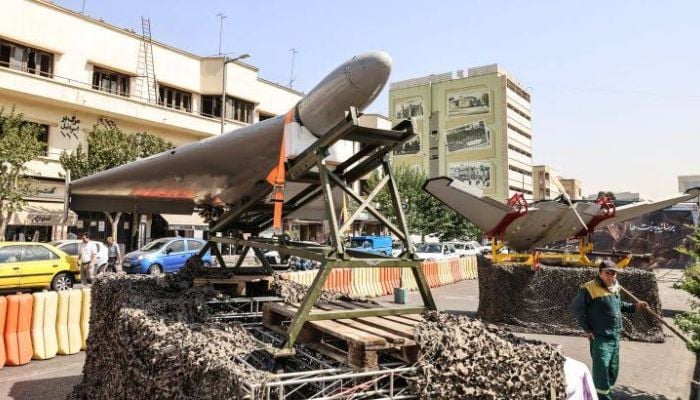
Iranian drone attack kills two Italian technicians at Kuwait air defense site
Two Italian civilian contractors were killed when intercepted drone debris struck an air defense facility in Kuwait, triggering an international diplomatic dispute over responsibility.
Two European civilian defense contractors were killed on Thursday, 26 November 2026, when falling debris from intercepted drones struck an air defense facility in Kuwait, escalating regional security concerns as international capitals trade conflicting blame over the strike.
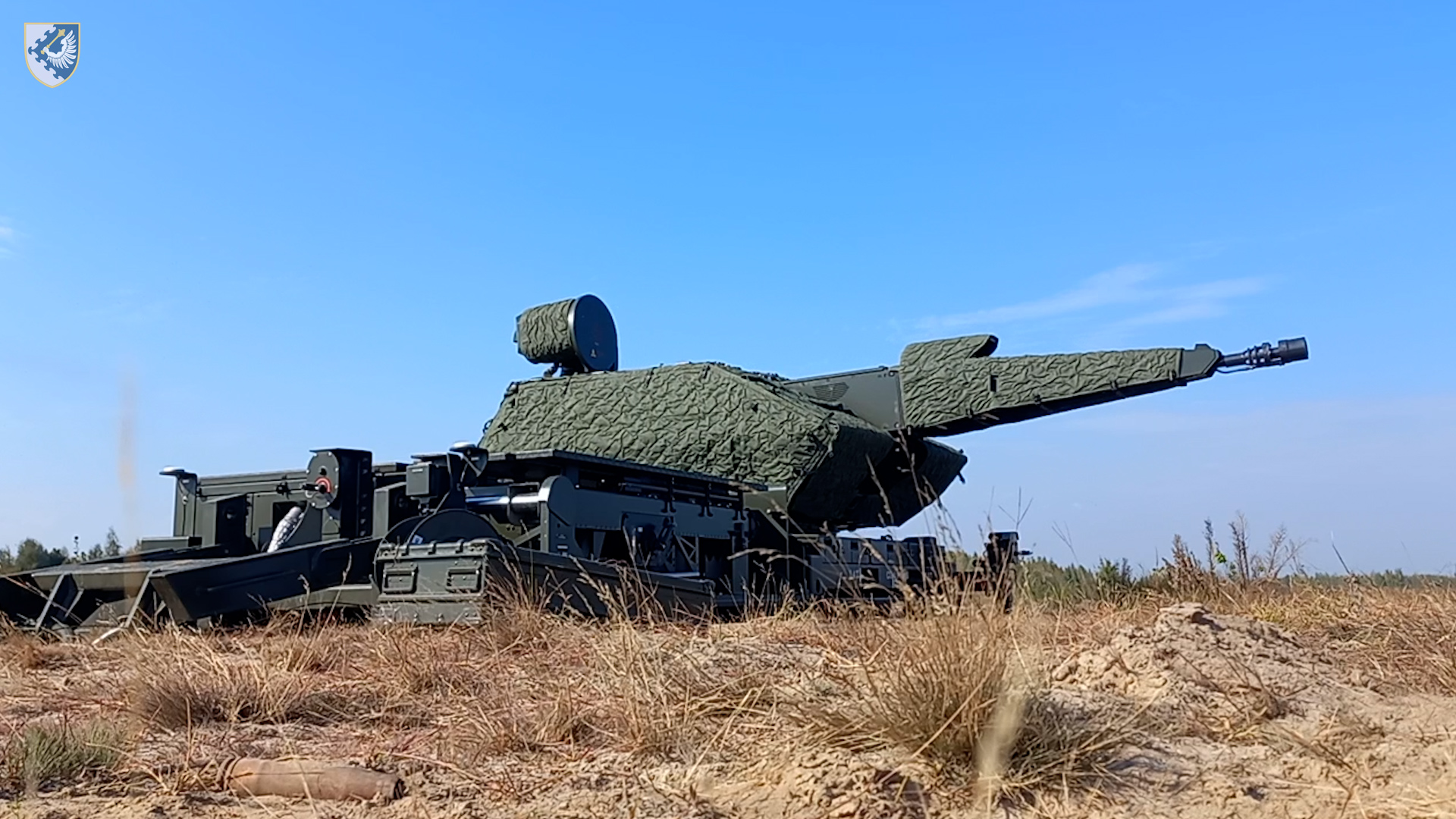
The fatalities mark among the first officially confirmed European casualties of the wider Middle East conflict, which began in late February. According to statements from Al Monitor, Italy's Foreign Ministry confirmed the deaths of the two men, who were employed by Rheinmetall Italia, the Italian subsidiary of German defense contractor Rheinmetall. Italian Foreign Minister Antonio Tajani told the Senate in Rome that the victims were maintaining detection antennas for the Skyguard short-range air defense system when an explosion hit the surveillance station. Italian media subsequently identified the dead technicians as Antonio Saccoccio and Emanuele Lo Russo.
Media additions
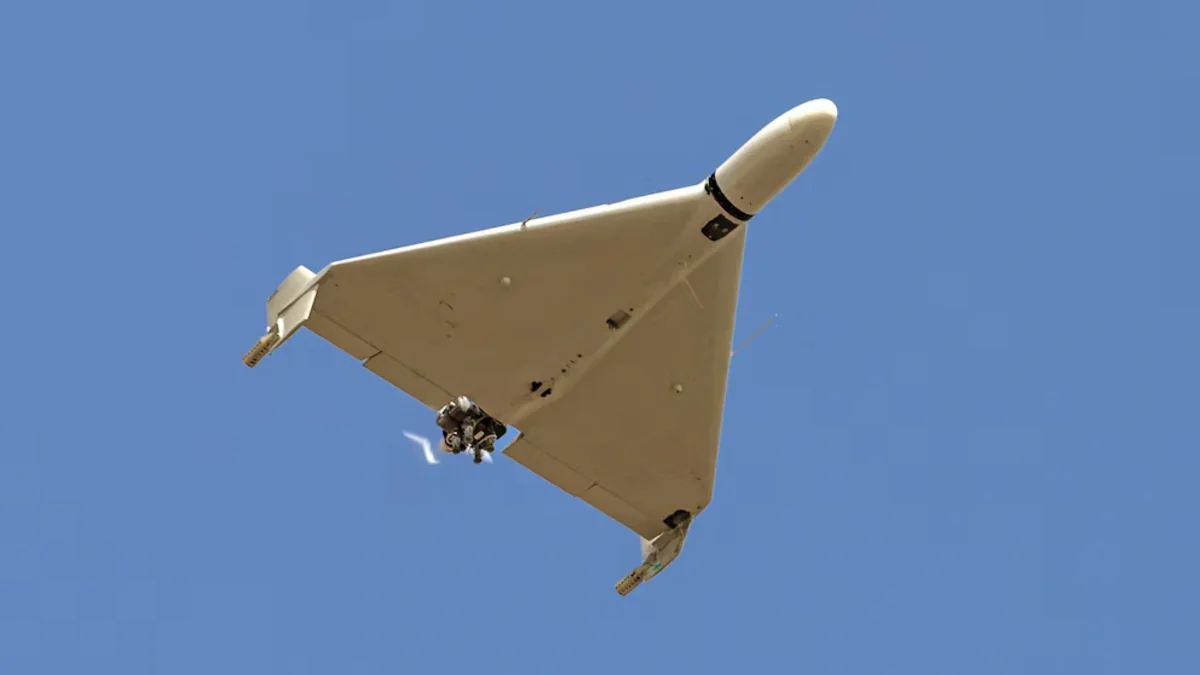

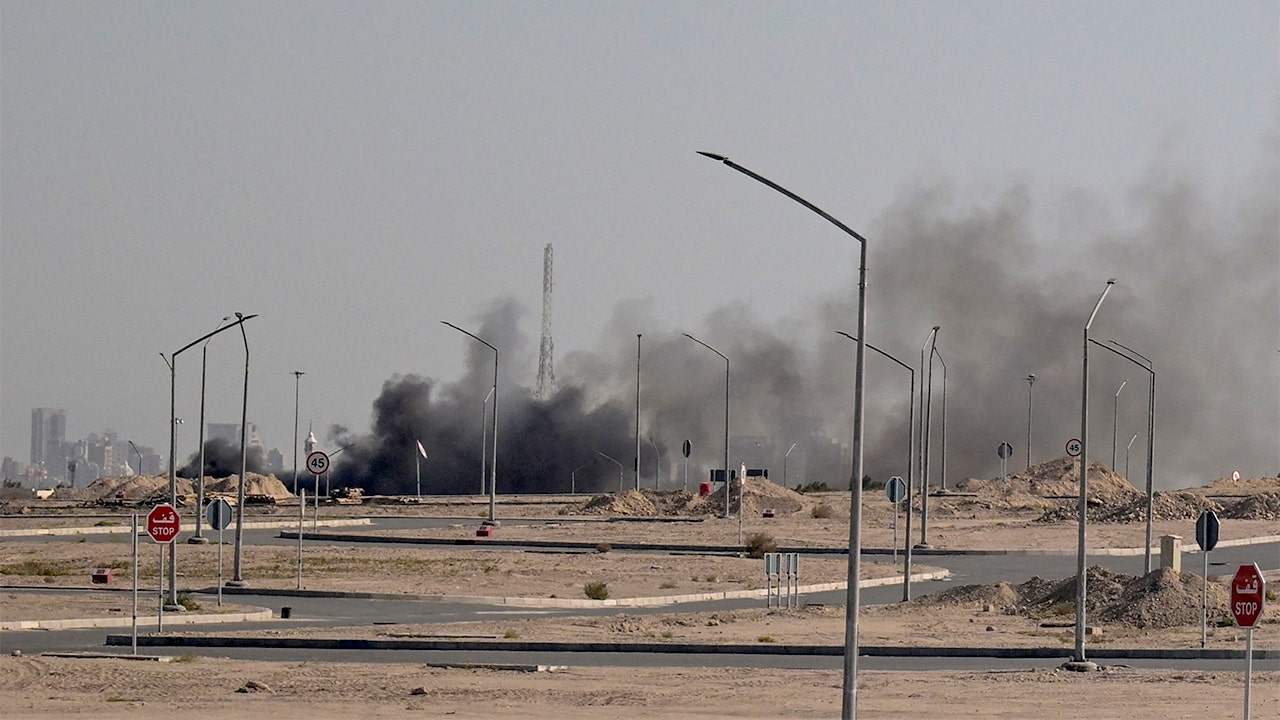
Kuwait's Defense Ministry reported that its armed forces detected several hostile drones entering national airspace and engaged them. Ministry spokesperson Colonel Saud Abdulaziz Al-Otayan condemned what he termed a heinous Iranian aggression targeting a vital site, noting that falling shrapnel injured four individuals. While the ministry initially reported the two Italians as wounded, it later confirmed they had succumbed to their injuries. A Kuwaiti national and a Pakistani national were also hurt by falling debris and hospitalized, alongside material damage to the facility. Neither Kuwaiti nor Italian authorities publicly disclosed the precise geographic coordinates of the site.
The attribution of the strike quickly sparked a diplomatic storm and sharp contradictions between regional capitals. Rome and Kuwait City squarely blamed Tehran for the attack. European Commission President Ursula von der Leyen urged increased pressure on Iran to end unacceptable attacks against neighbors and Gulf partners, while Israeli Foreign Minister Gideon Sa'ar stated that Tehran's unchecked aggression threatens stability far beyond the Middle East. Italian Prime Minister Giorgia Meloni joined foreign counterparts in offering condolences to the victims' families.
Conversely, Tehran flatly rejected responsibility. Abolfazl Shekarchi, senior spokesman for Iran's Armed Forces, categorically denied that any military or offensive operations had been conducted by Iranian forces in the region. The Iranian Embassy in Rome warned the international community against potential false flag operations intended to draw European nations into the wider Persian Gulf crisis. In a more unusual line of defense, Mohammad Marandi, a former adviser to Iran's nuclear negotiating team, claimed on social media that the attack was a false-flag operation orchestrated by Ukrainian operatives operating across the Middle East to win the attention of U.S. President Donald Trump—an assertion amplified by state-affiliated media outlets in Iran. Ukrainian specialists have indeed deployed to several Gulf states, including Kuwait, Qatar, Saudi Arabia, and the United Arab Emirates, to help defend installations against incoming unmanned aerial systems by sharing anti-drone expertise gained during the war with Russia.
| Official Source | Stance on Kuwait Drone Attack | Reported Casualties & Details |
|---|---|---|
| Kuwait Ministry of Defense | Blamed Iranian aggression; reported interception of hostile drones over a vital site. | Two Italian civilian contractors killed by falling debris; one Kuwaiti and one Pakistani injured. |
| Italy Foreign Ministry | Confirmed deaths resulting from drone strikes on a military air-defense detection station. | Two Rheinmetall Italia technicians (Antonio Saccoccio and Emanuele Lo Russo) killed while maintaining Skyguard radar. |
| Iran Armed Forces / Embassy | Denied offensive involvement; alleged a "false flag" operation potentially tied to external actors. | Rejected responsibility entirely, warning against attempts to widen the regional conflict. |
The incident unfolded against a backdrop of severe friction across energy transit chokepoints and neighboring conflict zones. On the same day, The Associated Press reported that Iran’s paramilitary Revolutionary Guard claimed two oil tankers caught fire after striking naval mines in the Strait of Hormuz for attempting unauthorized transit. British maritime monitors noted separate tanker explosions near Oman and Dubai, though independent verification of the mine claims remained absent. Concurrently, Houthi-linked strikes and Saudi coalition counter-actions continued to impact regional infrastructure, including attacks in Yemen and Saudi Arabia's Jazan refinery.
Energy markets and diplomatic channels reacted swiftly to the expanding instability. Brent crude hovered near ninety-four dollars a barrel as traders weighed Gulf transport disruptions against broader inventory surpluses ahead of upcoming OPEC+ meetings. Iranian Foreign Minister Abbas Araghchi subsequently spoke by phone with his Italian and Kuwaiti counterparts, expressing condolences and offering bilateral cooperation to investigate the murky circumstances surrounding the air defense base explosion.
What to Watch Next
- Bilateral investigative findings between Kuwait, Italy, and any potential technical verification regarding drone origins or debris analysis.
- Upcoming OPEC+ producer meetings scheduled to address global supply forecasts alongside regional maritime security pressures.
- Potential adjustments by European defense contractors regarding the deployment and safety protocols of civilian technical personnel stationed at Gulf military installations.
- Broader world coverage on diplomatic security postures and ongoing negotiations concerning freedom of navigation in the Strait of Hormuz.