Oil prices rise amid uncertainty over Strait of Hormuz reopening
Oil prices rebounded as persistent uncertainty over the reopening of the Strait of Hormuz outweighed optimism from potential shipping lane agreements.

- Core Development: Oil prices rebounded as persistent uncertainty over the reopening of the Strait of Hormuz outweighed optimism from potential shipping lane agreements.
- Beat Context: Categorized under World with independent corroboration.
- Reporting Depth: 3 minute analytical read synthesized from verified newsroom sources.
Oil prices moved upward on Monday, reversing some of the steep losses recorded in the previous week as persistent uncertainty clouded prospects for the reopening of the crucial Strait of Hormuz. According to reporting by Channelnewsasia and Aol, the upward tick followed Iranian statements indicating that while a deal with Oman defining new shipping lanes was in its final stages, Washington must still meet additional conditions before the vital waterway actually reopens.
Before the ongoing conflict, the Strait of Hormuz carried a fifth of the world's oil. Hopes that Tehran and Oman were nearing an agreement caused both major crude benchmarks to drop more than 7 per cent the previous week, but that optimism has faded. While Iran stated that discussions with Oman over new shipping lanes were in their final stages, officials reiterated that the corridor will remain closed until Washington fulfils demands that include compensation for widespread attacks. Furthermore, Iranian Foreign Minister Abbas Araqchi stated that Tehran and the U.S. Are not engaged in direct talks and will not initiate them as long as Washington breaches an interim agreement signed in June.
Media additions
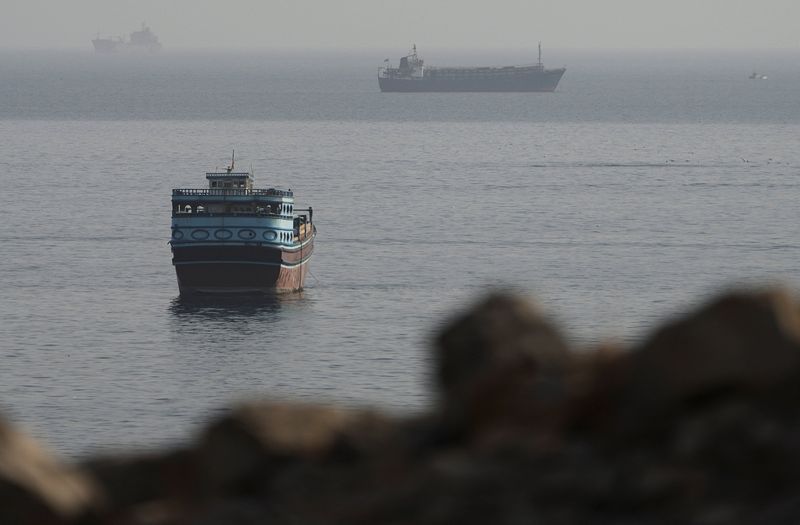

Energy markets remain highly sensitive to physical realities on the water. Tim Waterer, chief market analyst at KCM Trade, noted that traders have grown accustomed to the cyclical nature of the negotiations and are holding out for tangible proof—such as verified tanker movements or formal agreements—before unwinding the prevailing risk premium.
Additional threats to global supply have compounded market jitters. The Iran-aligned Houthis claimed responsibility for an attack over the weekend on Saudi Aramco's Jazan refinery. This assault occurred just days after Saudi Arabia forged a defence pact with regional allies Turkey and Pakistan, a move prompted by mounting instability stemming from the U.S.-Israeli war on Shi'ite Iran. Meanwhile, the United Arab Emirates' ADNOC reported that 15 of its vessels had been attacked while transiting the Strait of Hormuz since the conflict began.
Broader economic ramifications of the volatile energy landscape are rippling across international markets, as detailed in coverage from The Economic Times. Import-dependent nations like India have seen their crude oil import bills swell, placing pressure on local currencies and forcing state-run firms and refiners to adapt to surging transport and acquisition costs. At the same time, major oil companies have posted massive profits amid war-driven supply tightness, drawing political scrutiny over fuel price inflation passed down to consumers worldwide.
Additional reporting highlights the wider regional and macroeconomic dimensions. Saudi Arabia has sought to spearhead a coalition to enhance defense cooperation in the Bab El-Mandeb Strait, the Red Sea, and the Gulf of Aden, with the Saudi defense ministry stating that 14 countries issued a joint statement backing the proposed maritime security alliance. Meanwhile, Abu Dhabi National Oil announced it will alter its crude oil pricing methods starting November first, shifting all its crudes to use a regional Dubai benchmark published by Platts to align the UAE with other regional producers.
Consumer nations continue to grapple with shifting import dynamics. India's reliance on imported crude remains high, with refiners like Hindustan Petroleum purchasing millions of barrels of crude from alternative suppliers such as West African sources, while state-run firms face severe financial pressures from fuel subsidisation and acquisition costs. Concurrently, US President Donald Trump accused major oil companies of profiting excessively from elevated crude prices caused by supply disruptions linked to the Iran war, echoing broader voter frustrations regarding high fuel costs ahead of midterm elections.
What to Watch Next
- Verification of tangible tanker movements or formal pacts regarding the Strait of Hormuz.
- Future diplomatic signals between Washington, Tehran, and regional mediators.
- Developments surrounding regional maritime security alliances in the Red Sea, Bab El-Mandeb Strait, and Gulf of Aden.
- Upcoming macroeconomic data releases, including U.S. Non-farm payroll reports and central bank policy updates.
For ongoing developments in the region, consult our World coverage, tracking updates on Iran-backed decisions in Gaza talks, fluctuations in Gulf shipping traffic, and new Iranian demands regarding the Strait of Hormuz.
How significant is this development?
Contribute your assessment to the aggregated reader sentiment ledger.
Frequently Asked Questions
Key questions answered in this reportWhat is the key development in: Oil prices rise amid uncertainty over Strait of Hormuz reopening?
Oil prices rebounded as persistent uncertainty over the reopening of the Strait of Hormuz outweighed optimism from potential shipping lane agreements.
Why is this World development significant for the UK?
This report covers critical events in our World beat. Independent reporting monitors related UK statements, regulatory shifts, and public responses as further verified details emerge.
How was this reporting corroborated and verified?
Newsarchy UK compiles and cross-references reporting from primary reporting from aol.com and cross-checked wire reports. All coverage adheres to published editorial standards.
When was this report published?
This briefing was published on August 10, 2026 and is permanently cataloged in the Newsarchy UK World archives.