Trump urges Xi to halt aid to Iran amid Strait of Hormuz talks
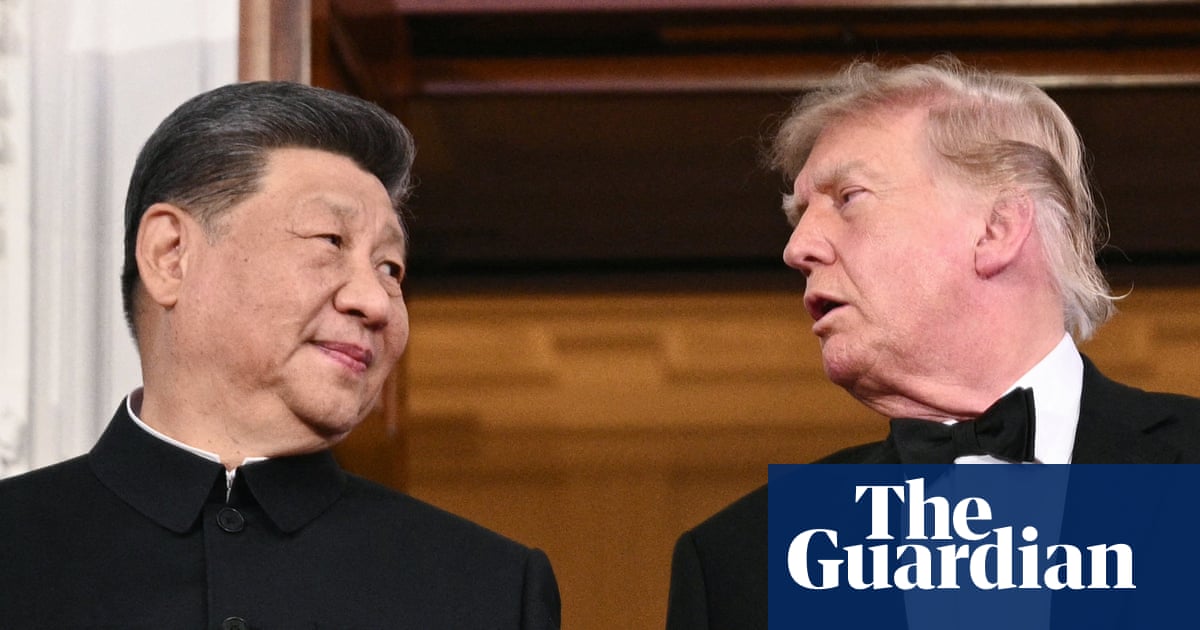
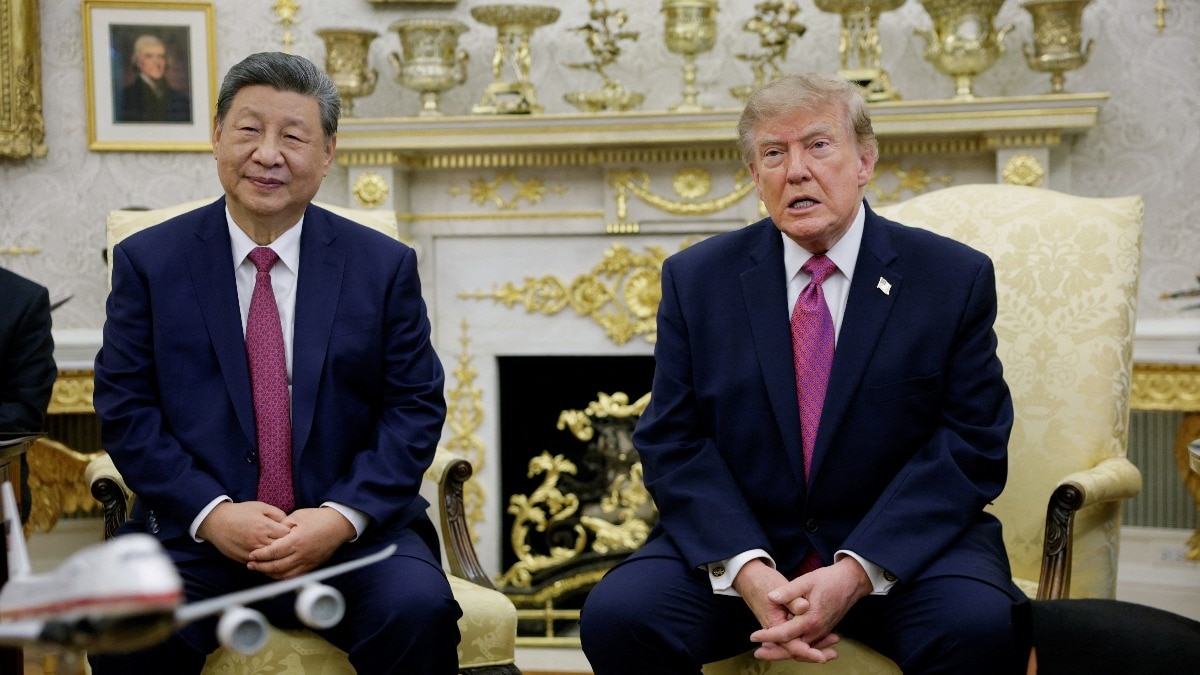
US President Donald Trump pressed Chinese President Xi Jinping to end support for Tehran during a Washington meeting. Meanwhile, Iran proposed a seven-day plan to reopen the Strait of Hormuz.

- Core Development: US President Donald Trump pressed Chinese President Xi Jinping to end support for Tehran during a Washington meeting. Meanwhile, Iran proposed a seven-day plan to reopen the Strait of Hormuz.
- Beat Context: Categorized under World with independent corroboration.
- Reporting Depth: 3 minute analytical read synthesized from verified newsroom sources.
US President Donald Trump demanded that Chinese President Xi Jinping halt all military and intelligence assistance to Tehran during a high-stakes state visit to Washington, DC, according to administration officials. The diplomatic friction unfolds as international energy markets absorb a proposal from Iran to reopen the vital Strait of Hormuz within seven days under specific conditions, raising fresh questions about the trajectory of the ongoing conflict in the Middle East.
The warnings directed at Beijing touch upon a complex web of economic and strategic relationships. According to Malaysia — Trump asks Xi to stop helping Iran, the US president met with Mr Xi on Thursday and made it explicit that his administration expects an end to Chinese backing for the Iranian regime. US Ambassador to Beijing David Perdue stated that Washington views any help — whether involving intelligence, component parts, or military gear, as completely unacceptable, noting that the administration has witnessed signs that Beijing has pulled back on certain activities following earlier cautions.
Media additions


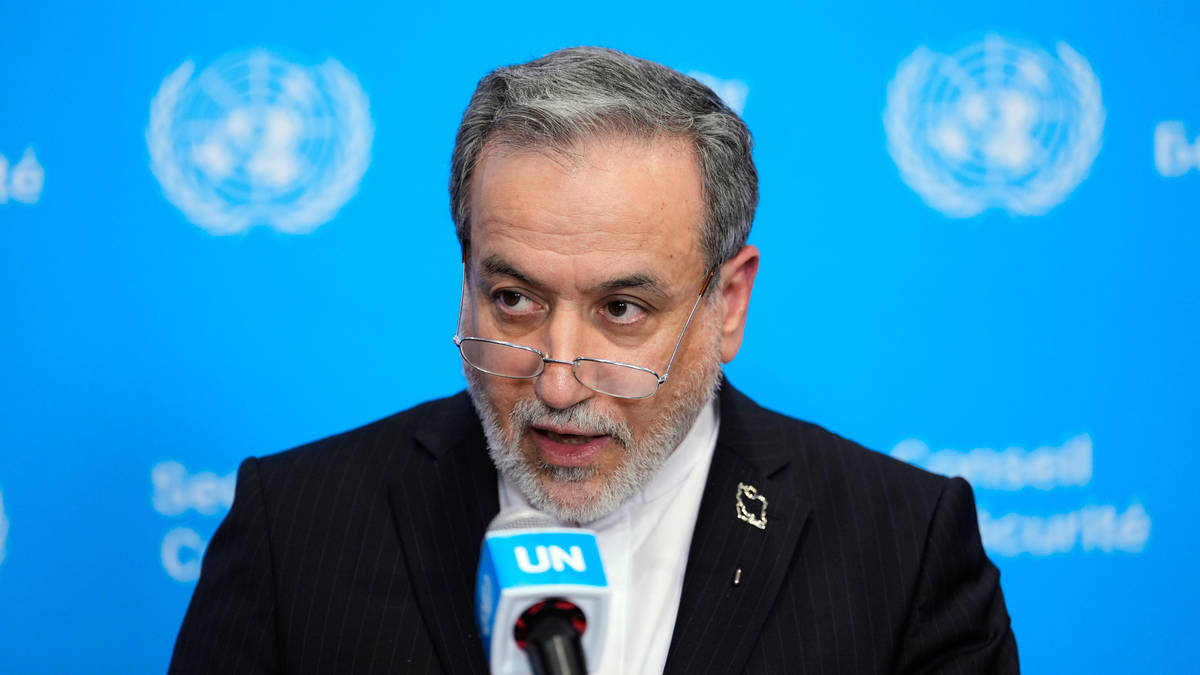
The diplomatic pressure on Beijing coincides with tense indirect negotiations in New York. On the sidelines of the United Nations General Assembly, US envoys Steve Witkoff and Jared Kushner engaged in indirect talks with Iranian Foreign Minister Abbas Araghchi, with Qatari mediators facilitating the exchange. As detailed in CBS News, Iran War Updates, Tehran presented a seven-day roadmap aimed at reopening the strategically critical Strait of Hormuz and reviving nuclear negotiations, provided that the United States lifts its naval blockade.
US officials remain unhurried by the proposal, citing a commanding naval posture in the waterway. According to reports covered by the New York Post, Trump told China’s Xi that support for Iran was ‘totally unacceptable’, nearly forty million barrels of crude oil have traversed the Strait under US military escort over recent days, matching pre-war transit volumes. While energy markets experienced brief relief upon news of the diplomatic overtures, analysts remain cautious about the durability of any provisional agreement.
The intersection of great-power diplomacy and regional conflict has drawn varied perspectives from international observers and state media outlets, as summarized below:
| Actor / Official | Stated Position / Action | Reporting Outlet |
|---|---|---|
| David Perdue | Confirmed that Washington received assurances from Beijing regarding cessation of certain support and noted observed pullbacks. | Al-Monitor |
| Abbas Araghchi | Submitted a seven-day proposal to international mediators to reopen maritime traffic and resume ceasefire discussions. | CBS News |
| Xi Jinping | Urged a return to negotiations and the June memorandum of understanding while maintaining extensive economic ties with Tehran. | Devdiscourse |
Broader geopolitical ripples continue to manifest across neighboring regions. As noted in World coverage, regional actors are realigning security frameworks in response to maritime blockades and infrastructure attacks. Governments in Pakistan and Turkey have entered into mutual defense understandings with Saudi Arabia, reacting to escalating Houthi actions that have severely impacted commercial shipping and energy export lanes along the Red Sea corridor.
Meanwhile, the enforcement of stringent financial and aviation sanctions by Western governments has caused acute disruptions. Several regional transport hubs have suspended flights operated by Iranian carriers following warnings from the US Treasury Department regarding potential exclusion from the international financial system. Humanitarian conditions in the region remain perilous, with international agencies reporting severe strain on medical facilities and displacement crises cascading across local populations.
Future developments will hinge on whether Washington elects to engage substantively with Tehran's proposed seven-day roadmap or maintains its current economic and naval pressure campaign. Further bilateral engagements between American and Chinese delegations are already scheduled for later in the year, with upcoming multilateral summits anticipated to provide additional arenas for negotiating regional stability and trade arrangements.
How significant is this development?
Contribute your assessment to the aggregated reader sentiment ledger.
Frequently Asked Questions
Key questions answered in this reportWhat is the key development in: Trump urges Xi to halt aid to Iran amid Strait of Hormuz talks?
US President Donald Trump pressed Chinese President Xi Jinping to end support for Tehran during a Washington meeting. Meanwhile, Iran proposed a seven-day plan to reopen the Strait of Hormuz.
Why is this World development significant for the UK?
This report covers critical events in our World beat. Independent reporting monitors related UK statements, regulatory shifts, and public responses as further verified details emerge.
How was this reporting corroborated and verified?
Newsarchy UK compiles and cross-references reporting from primary reporting from cbsnews.com and cross-checked wire reports. All coverage adheres to published editorial standards.
When was this report published?
This briefing was published on September 26, 2026 and is permanently cataloged in the Newsarchy UK World archives.