Pentagon inspector general confirms Iran war caused US munitions shortfalls
A Pentagon inspector general report reveals that heavy munitions expenditures during the military campaign against Iran caused severe U.S. inventory shortfalls.

The United States defense establishment is facing significant inventory shortfalls and industrial resupply bottlenecks following months of heavy missile and drone expenditure during the conflict in the Middle East. That is according to an independent watchdog report released on Monday, 14 September 2026. The findings mark a direct contradiction to repeated public assertions from President Donald Trump and top administration officials, who have consistently maintained that the nation's weapons stockpiles remain robust and virtually unlimited.
The congressionally mandated assessment from the Defense Department inspector general provides the first official, independent accounting of the munitions drain and financial costs resulting from Operation Epic Fury, the joint military campaign launched by the United States and Israel against Iran. Covering the period from the outbreak of hostilities on 28 February 2026 through 30 June 2026, the Pentagon watchdog report states that heavy combat operations resulted in strategic inventory shortfalls and revealed industrial base bottlenecks for munitions resupply.
Media additions

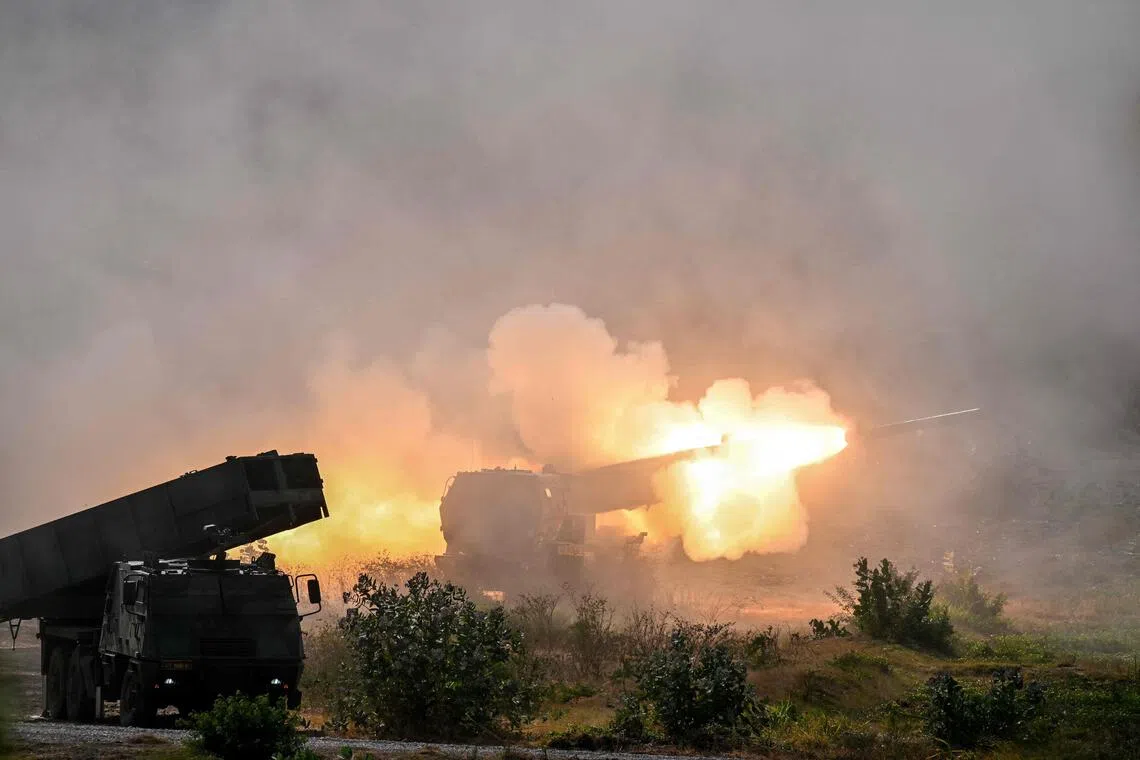
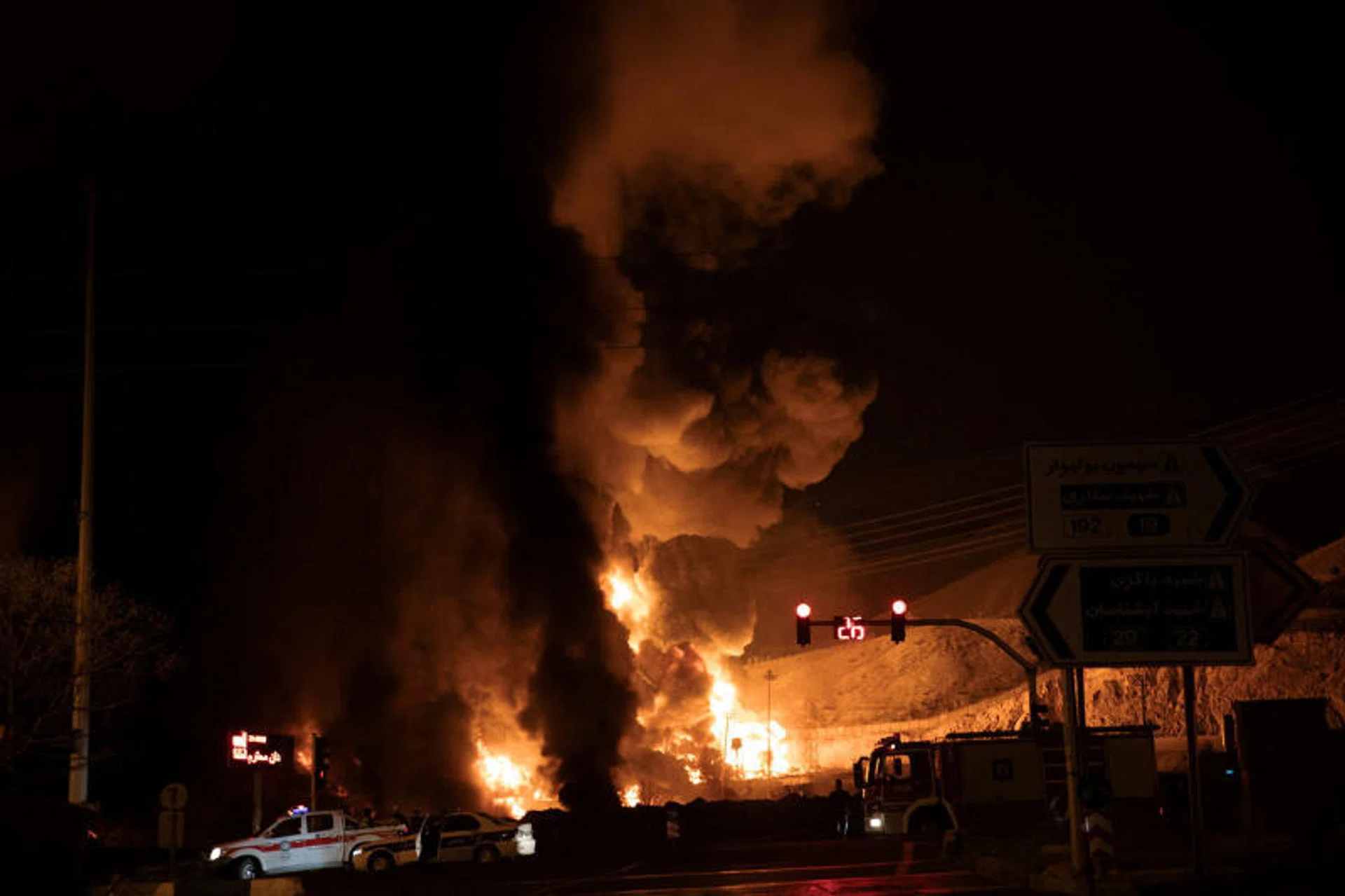
The military campaign involved immense expenditure on both long-range ground-attack systems and air defense interceptors required to neutralize incoming projectile salvos. According to Central Command disclosures cited in the report, U.S. Forces carried out roughly 36,000 combat sorties and executed more than 1,800 fire missions, striking approximately 13,500 targets. By May, American missile defenses had intercepted over 6,000 attack drones and more than 1,500 ballistic missiles targeting regional bases and allied forces.
| Category | Reported Figure | Timeframe / Context |
|---|---|---|
| Total Operation Cost | $33.4 billion | 28 February – 30 June 2026 |
| Expended Munitions Cost | $22.3 billion | 28 February – 30 June 2026 |
| Combat Sorties Flown | Approx. 36,000 | Major combat operations phase |
| Targets Struck | Approx. 13,500 | Reported by CENTCOM |
| Service Members Killed in Action | 11 personnel | Reported as of July 2026 |
| Service Members Wounded | Over 820 personnel | Latest Pentagon figures |
Independent analysis from defense think tanks has previously underscored the severity of the drawdowns. Estimates published in late July by the Center for Strategic and International Studies indicated that global stockpiles of certain high-demand interceptors — specifically Patriot and Terminal High Altitude Area Defense systems — had been severely depleted, in some cases dropping by more than half. Mark Cancian of CSIS noted that while current inventories might suffice for regional engagements, sustaining a prolonged conflict elsewhere presents a significant challenge.
The inspector general's assessment highlights that resupplying the depleted inventory faces formidable structural hurdles within the defense industrial base. Acquisition officials told investigators that manufacturing facilities require significant lead times to ramp up production capacity. The most persistent bottlenecks involve a scarcity of high-grade explosives, specialized propellants, and solid rocket motors, alongside ongoing difficulties in recruiting skilled manufacturing labor.
Beyond missile expenditures, the report documents widespread infrastructure damage across the theater. Iranian drone and missile strikes struck multiple regional installations, damaging or destroying hundreds of buildings at American facilities in Kuwait, Bahrain, Qatar, the United Arab Emirates, Saudi Arabia, Iraq, Oman, and Jordan. Notably, the cost estimates compiled by the watchdog excluded physical repair tabs and military construction, as the Defense Department has yet to finalize its long-term strategic posture in the Middle East or determine cost-sharing agreements with regional allies. Equipment losses cataloged in the document include four F-15E strike fighters, an advanced F-35 Joint Strike Fighter, and up to 30 MQ-9 Reaper drones.
The revelation of strategic inventory shortfalls arrives as Washington balances demands from international partners who rely heavily on American arms manufacturing. Allies such as Ukraine, which requires continuous shipments of Patriot interceptors to counter Russian aerial bombardments, and Taiwan, which depends on defense agreements to deter regional threats, watch the domestic resupply timelines closely. While the Pentagon works to streamline procurement processes and stockpile critical materials, the industrial lead times mean that restoring stockpiles to pre-conflict levels will require sustained effort.
As the conflict pauses and diplomatic efforts intensify, with negotiations over the Strait of Hormuz and regional stability ongoing, policymakers must navigate both the diplomatic and military fallout of the campaign. Observers will be closely monitoring upcoming congressional hearings, defense budget appropriations for emergency resupply packages, and any formal updates from the Department of Defense regarding procurement lead times as the administration prepares for potential future contingencies.