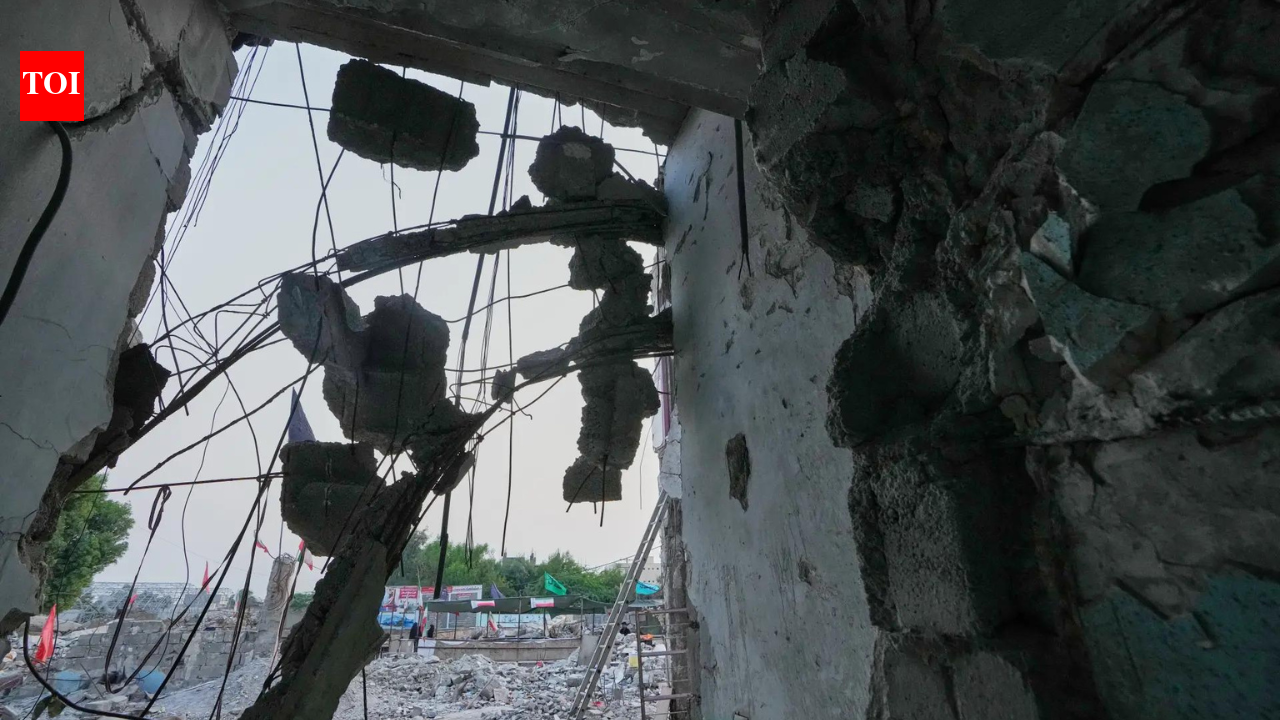
Thick smoke seen near Riyadh airport after air raid alerts in Saudi capital
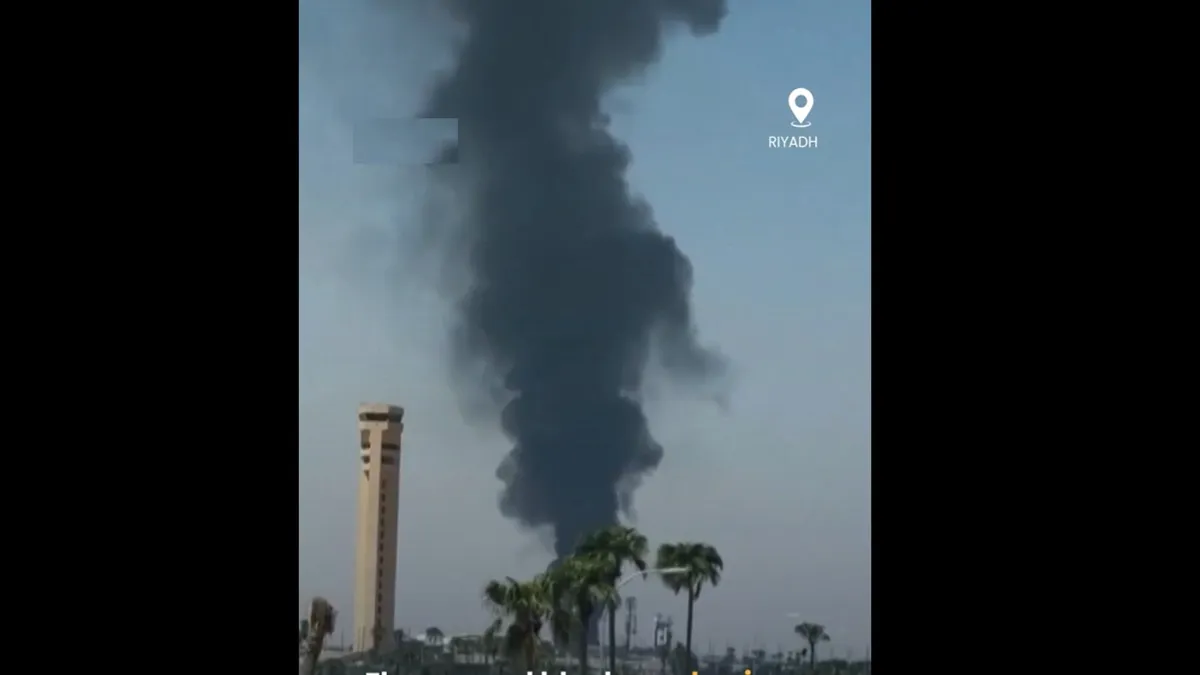
Thick black smoke rose near Riyadh's King Khalid International Airport following overnight air-raid alerts and an attack on an Aramco fuel depot.
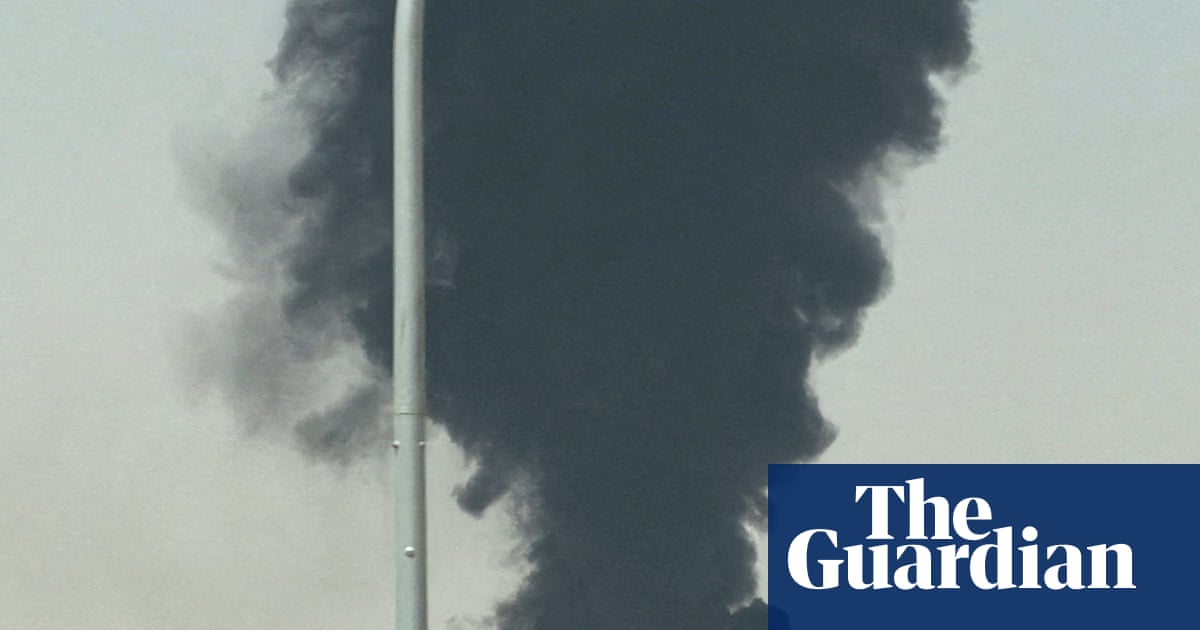
- Core Development: Thick black smoke rose near Riyadh's King Khalid International Airport following overnight air-raid alerts and an attack on an Aramco fuel depot.
- Beat Context: Categorized under World with independent corroboration.
- Reporting Depth: 4 minute analytical read synthesized from verified newsroom sources.
On Saturday, the sky over Riyadh airport was pierced by a column of black smoke that rose from a fuel storage depot near the capital’s King Khalid International Airport. The incident followed the first overnight air‑raid alerts issued to residents of Riyadh, Jeddah and Yanbu since the July escalation of the Saudi–Houthi war. The event has amplified fears that the Iran‑backed Houthi rebels, which have been targeting Saudi oil infrastructure and shipping lanes, are now striking the heart of the kingdom’s civilian and energy networks.
The chain of events began late Friday night when the Saudi Civil Defence pushed mobile alerts warning of a hostile aerial threat. Residents heard a series of explosions that rattled the capital’s western neighbourhoods. By morning, the alerts were lifted, but residents were still told to avoid crowds. The first confirmed visual evidence came from social media videos that showed thick black smoke erupting from the perimeter of a fuel tank bearing the Aramco logo.
Media additions


Flight-tracking data from FlightRadar24 placed King Khalid International Airport at its maximum disruption index of 5.0, with hundreds of flights grounded and major delays reported across the network. The platform recorded “major problems” at the airport, a rare designation that signals severe operational impact.
The Saudi government has not released a detailed damage assessment. In the days leading up to the incident, the kingdom had been busy intercepting Houthi missiles and drones. Earlier this month, the Houthis seized the strategic port of Mokha and Perim Island, a move that has heightened concerns over the security of the Bab el‑Mandeb Strait, a vital artery for global oil shipments.
Houthi statements, issued by spokesman Yahya al‑Sarea, claimed that a “large number of ballistic and cruise missiles and drones” were used to strike Riyadh and Aramco facilities in Yanbu. The rebels framed the attacks as retaliation for Saudi airstrikes on Yemen, which they say have targeted civilian sites. The United Nations Security Council, in a statement released on Friday, condemned the attacks as “a continuation of Houthi aggression that has harmed civilians, including women and children.” The council called on all members to enforce the arms embargo against the group.
Saudi officials have not yet provided a formal explanation of the source of the missile or drone that struck the depot. In a separate briefing, the Saudi Civil Defence noted that the alert system had been activated “to counter hostile aerial threats.” The incident marks the first time a Houthi attack has visibly impacted the capital’s core infrastructure, a development that could signal a shift in the theatre of conflict.
Despite the dramatic visual of the smoke plume, analysts from Energy News Beat caution that the fire has not yet caused a significant reduction in Saudi crude output. Aramco has repeatedly stated that its spare capacity can absorb temporary shutdowns. Nevertheless, the incident adds another layer of risk to an already volatile supply chain, especially as the Strait of Hormuz remains contested.
In the wider regional context, the Saudi–Houthi conflict has already disrupted shipping lanes and prompted the United Nations to intensify diplomatic efforts. The Red Sea’s maritime corridors, which carry a substantial portion of global oil exports, have seen an uptick in Houthi attacks on oil tankers and coastal installations. The most recent seizure of the Bab el‑Mandeb Strait by the Houthis has raised the possibility of a second oil supply crisis, a scenario that global markets have priced in with Brent crude hovering above $100 a barrel.
Saudi leadership, led by Crown Prince Mohammed bin Salman, has faced mounting pressure to respond decisively. The kingdom’s military has reportedly deployed Chinese‑made ballistic missiles in the fight against the Houthis, and regional allies have been asked for assistance as Saudi missile interceptor stocks dwindle. The potential for a broader confrontation remains a concern for international investors and governments alike.
Looking ahead, the Saudi government is expected to issue further updates on the extent of the damage to the fuel depot and the operational status of King Khalid International Airport. The United Nations is likely to convene a meeting of the Security Council to discuss the escalation. Meanwhile, global oil markets will be watching closely for any signs that the incident could trigger a sustained supply disruption.
What to Watch Next
- Official Saudi statement on the damaged depot and any casualties.
- UN Security Council meeting minutes on the Houthi attacks.
- Flight status updates from airlines operating to and from Riyadh.
- Market reactions to the incident, especially Brent crude futures.
For ongoing coverage, follow Newsarchy UK’s World section and the dedicated story track on Riyadh airport smoke and flight disruptions.
How significant is this development?
Contribute your assessment to the aggregated reader sentiment ledger.
Frequently Asked Questions
Key questions answered in this reportWhat is the key development in: Thick smoke seen near Riyadh airport after air raid alerts in Saudi capital?
Thick black smoke rose near Riyadh's King Khalid International Airport following overnight air-raid alerts and an attack on an Aramco fuel depot.
Why is this World development significant for the UK?
This report covers critical events in our World beat. Independent reporting monitors related UK statements, regulatory shifts, and public responses as further verified details emerge.
How was this reporting corroborated and verified?
Newsarchy UK compiles and cross-references reporting from primary reporting from BBC and cross-checked wire reports. All coverage adheres to published editorial standards.
When was this report published?
This briefing was published on September 19, 2026 and is permanently cataloged in the Newsarchy UK World archives.