Saudi Arabia on high alert as intelligence warns of coordinated Houthi attacks
Saudi Arabia has raised security alerts following credible intelligence warning of coordinated Houthi and Iraqi militia strikes supervised by Iran.
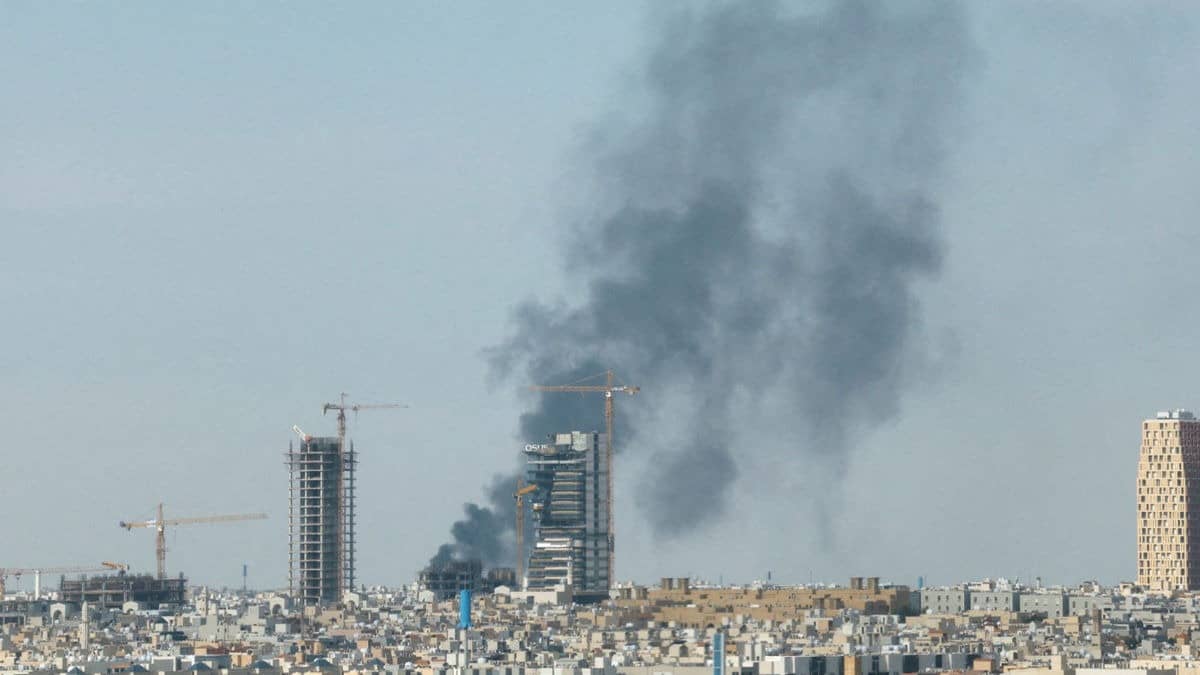
- Core Development: Saudi Arabia has raised security alerts following credible intelligence warning of coordinated Houthi and Iraqi militia strikes supervised by Iran.
- Beat Context: Categorized under World with independent corroboration.
- Reporting Depth: 3 minute analytical read synthesized from verified newsroom sources.
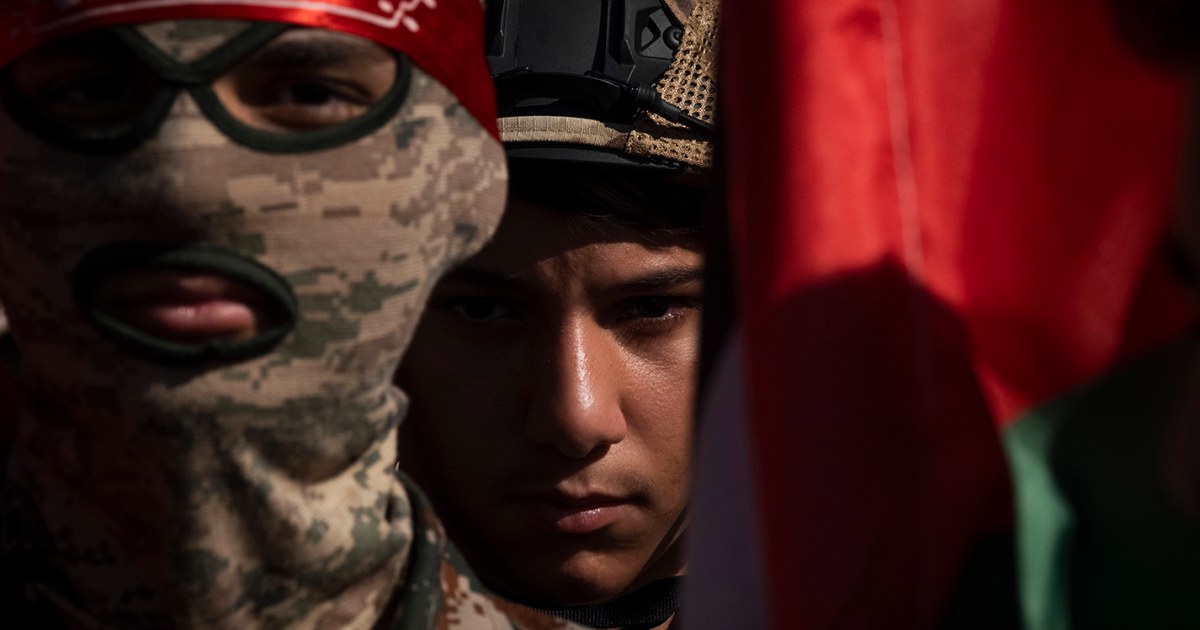
Saudi Arabia is on heightened security alert following credible intelligence warnings that Iran-backed Houthi rebels in Yemen and allied Iraqi militia factions are plotting simultaneous, coordinated strikes against the kingdom's critical infrastructure. Intelligence assessments indicate that the Islamic Revolutionary Guard Corps is supervising the impending actions, which are expected to target ports, airports, and strategic facilities from both the northern and southern borders. This intelligence has raised intense fears of a wider regional conflict as ongoing military confrontations involve Iran, the United States, and Israel.
The security warning arrives directly on the heels of mounting kinetic violence in southern Saudi Arabia. A recent Houthi strike in the southern Najran Province wounded 11 civilians, including a four-year-old child who suffered second-degree burns, alongside seven Saudi nationals, one Yemeni, two Egyptians, and one Pakistani. Major General Turki al-Maliki, spokesperson for the Saudi-led military coalition supporting Yemen's internationally recognised government, condemned the attack as an indiscriminate violation of international humanitarian law and stated that the coalition would continue taking all necessary measures to protect civilians. The Houthis separately claimed responsibility for targeting Najran airport and asserted that their maritime blockade had struck its eighth and ninth Saudi oil tankers using ballistic missiles, while Saudi authorities offered no immediate comment on those specific claims.
Media additions
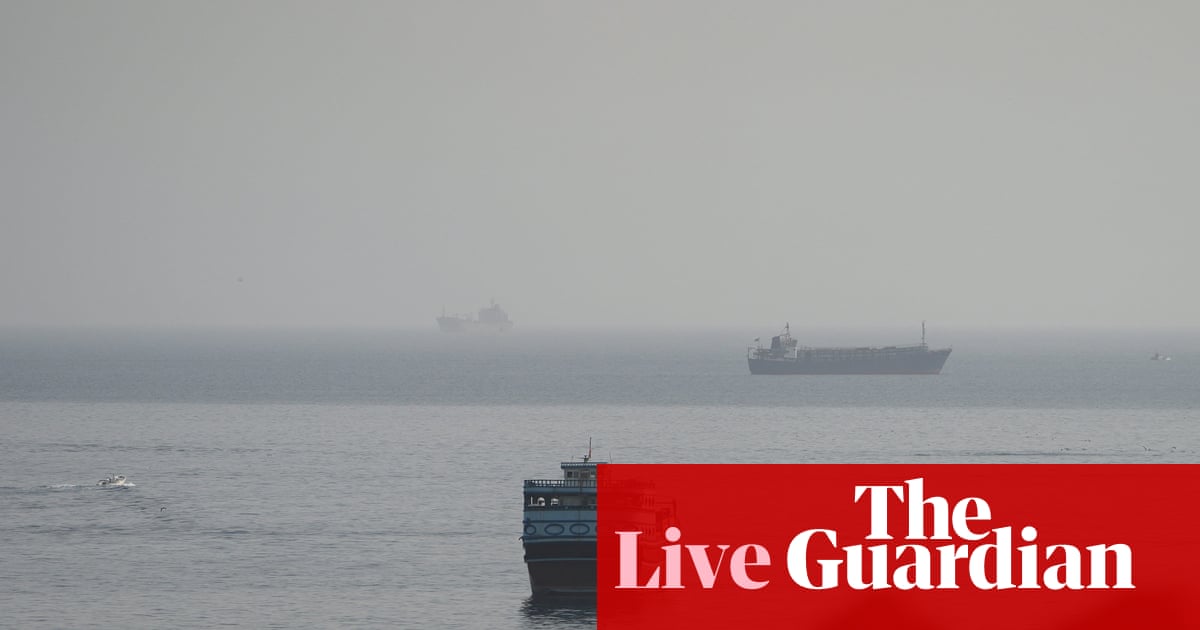

Regional tensions have deepened significantly due to the intersection of Riyadh's decade-old conflict with the Houthis and the broader regional war involving Washington and Tehran. A senior Saudi official, speaking anonymously, revealed that Houthi actions, such as the Red Sea blockade disrupting Saudi oil exports, have raised the stakes of the broader regional confrontation. These threats coincide with Iranian warnings delivered to Gulf states that any renewed US attacks on Iranian territory would provoke retaliatory strikes against regional energy facilities, power grids, and transport networks. Tehran has urged neighbours such as Saudi Arabia and Qatar to press Washington to halt further military operations, even as Gulf governments push publicly for diplomacy.
Amid these converging crises, diplomatic and defense engagements have intensified across the kingdom. Pakistani Prime Minister Shehbaz Sharif and army chief Asim Munir arrived in Saudi Arabia for a visit scheduled from Wednesday through Friday, alongside Turkish President Tayyip Erdogan, as Islamabad and Ankara engage in high-level mediation and bilateral talks. Regional sources told Reuters that a formal defense agreement between Turkey, Saudi Arabia, and Pakistan was slated for signature in the kingdom, augmenting existing security co-operation between Riyadh and Islamabad. The senior Saudi official noted that mediation efforts appeared to be moving in the right direction and that the planned attacks could be intended to disrupt this diplomacy.
Concurrently, broader geopolitical friction persists surrounding maritime chokepoints. While reports highlighted discussions between Iran and Oman over a potential deal to reopen the Strait of Hormuz—which would grant Tehran certain supervisory controls over vessel transit—Iranian sources rejected US President Donald Trump’s assertions that an imminent agreement was finalized, insisting that crucial details remain unresolved. International shipping associations and security experts, including King’s College London international security lecturer Rob Geist Pinfold, have cautioned that unresolved disputes over transit fees and designated shipping lanes could heavily restrict pre-war maritime volumes regardless of diplomatic progress. Eight of the world's largest shipping associations jointly urged the United Nations and the International Maritime Organization to oppose any compulsory transit tolls in the Strait of Hormuz.
What to Watch Next
- Pending outcomes from regional diplomatic missions in Riyadh involving Pakistani Prime Minister Shehbaz Sharif, army chief Asim Munir, and Turkish President Tayyip Erdogan regarding defense cooperation and de-escalation.
- Further developments concerning the proposed Iran-Oman arrangement for the Strait of Hormuz, parliamentary reviews in Tehran, and potential responses from international maritime bodies regarding compulsory transit tolls.
- The status of security reinforcements around Saudi Arabian ports, airports, and energy facilities as intelligence warnings of coordinated border incursions from Iran-backed Houthis and Iraqi militias remain active.
How significant is this development?
Contribute your assessment to the aggregated reader sentiment ledger.
Frequently Asked Questions
Key questions answered in this reportWhat is the key development in: Saudi Arabia on high alert as intelligence warns of coordinated Houthi attacks?
Saudi Arabia has raised security alerts following credible intelligence warning of coordinated Houthi and Iraqi militia strikes supervised by Iran.
Why is this World development significant for the UK?
This report covers critical events in our World beat. Independent reporting monitors related UK statements, regulatory shifts, and public responses as further verified details emerge.
How was this reporting corroborated and verified?
Newsarchy UK compiles and cross-references reporting from primary reporting from republicworld.com and cross-checked wire reports. All coverage adheres to published editorial standards.
When was this report published?
This briefing was published on August 7, 2026 and is permanently cataloged in the Newsarchy UK World archives.