Southeast Asian cyber scam compounds blur lines of slavery and crime
Walled scam compounds across Southeast Asia have expanded into multibillion-dollar enterprises, blurring the lines between trafficking victims and active perpetrators.

- Core Development: Walled scam compounds across Southeast Asia have expanded into multibillion-dollar enterprises, blurring the lines between trafficking victims and active perpetrators.
- Beat Context: Categorized under World with independent corroboration.
- Reporting Depth: 3 minute analytical read synthesized from verified newsroom sources.
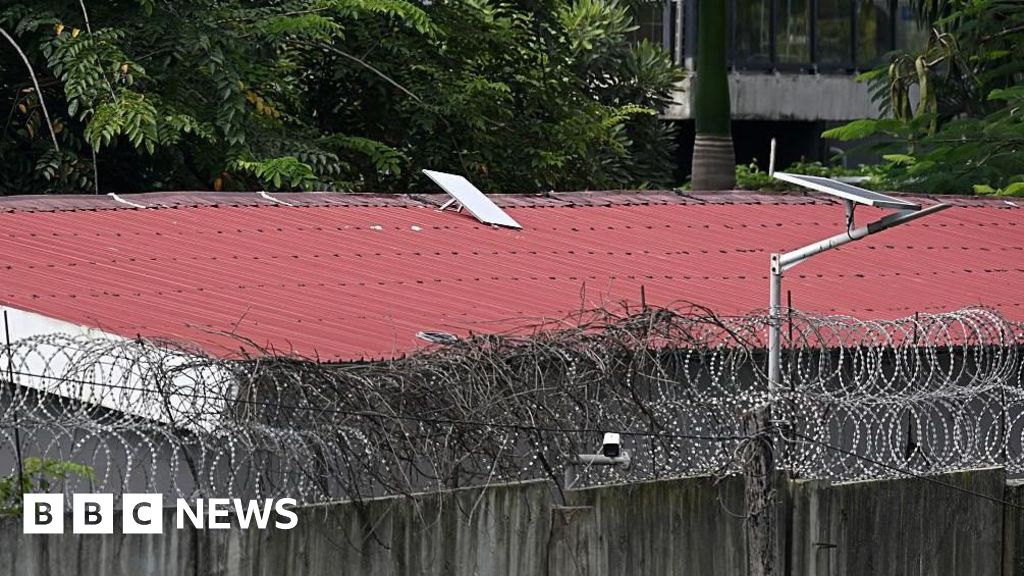
A sprawling underground economy of fortified scam compounds across Southeast Asia has complicated international law enforcement efforts by blurring the historical lines that separate human trafficking victims from active perpetrators. These walled compounds, featuring surveillance cameras and barbed wire in nations such as Cambodia, Laos, Myanmar, and the Philippines, expanded from small-scale fraud operations into multibillion-year enterprises run by transnational criminal networks. Inside these facilities, hundreds of thousands of conscripts—often lured from poor regions with false job offers—run global romance, investment, and tech-support scams targeting victims across the globe. This evolution exposes deep systemic grey zones where individuals held in debt bondage are forced to perpetuate the very cycles of exploitation that trapped them.
Daily life inside these compounds is meticulously structured and monitored. Leaked WhatsApp chat logs from a facility known as the Boshang compound in the Golden Triangle special economic zone of northern Laos, obtained and analysed by WIRED via an insider whistleblower named Mohammad Muzahir, exposed a corporate culture described by experts as an Orwellian veneer of legitimacy. Workers endured 15-hour night shifts synchronized with the waking hours of victims in the United States. Rather than explicit imprisonment, compounds relied on indentured servitude, confiscating passports, and trapping workers in mounting debts through arbitrary fines for minor infractions such as sleeping late, tardiness, or failing to meet strict scam revenue quotas. Bosses used a carrot-and-stick approach, combining corporate motivational messages with brutal punishments including beatings, torture, and food deprivation, while offering illusory commissions and drums beaten to celebrate successful thefts.
Media additions


International authorities have ramped up pressure on regional governments following massive financial losses suffered by individuals in the United States, Europe, and China. High-profile enforcement actions have targeted transnational kingpins. Prosecutors in Taipei indicted 62 people and 13 companies tied to the Prince Group, following the indictment and Cambodian extradition of the conglomerate's founder, Chen Zhi, to China, as reported by The Record. The U.S. Treasury Department previously alleged that the Prince Group profited from illegal online gambling, sextortion, money laundering, and the industrial-scale trafficking, torture, and extortion of enslaved workers across at least ten scam compounds in Cambodia. According to Dw, the U.K. Froze Chen's British businesses and assets, and authorities in Singapore, Taiwan, and Hong Kong launched probes. Following these international pressures and Chen's arrest, Cambodia revoked his nationality and extradited him to China alongside two other Chinese nationals.
Humanitarian accounts gathered by researchers highlight the severe human toll behind these financial crimes. Victims such as a 15-year-old boy named Bao and two 14-year-old girls from Jiangxi were trafficked into Cambodia under the guise of legitimate work and forced to work in compounds before their families paid ransoms. Another survivor, Alice, described enduring severe physical abuse and rape after being lured into a Cambodian compound under false pretenses.
The complex reality of these compounds creates what criminologists term the "victim-offender overlap," where individuals forced into criminality eventually become recruiters or willing participants due to debt, lack of alternatives, or coercion. Research by the Blue Dragon Children’s Foundation found that several traffickers had once been victims themselves, trapped in cycles where survival depended on perpetuating the same abuses they endured. Law enforcement and humanitarian organisations face acute dilemmas in distinguishing coerced victims from active criminals without letting offenders slip away. Authorities continue to coordinate regional responses through bodies like the Unodc, while survivors navigate the lasting physical and psychological trauma of their ordeals as pending legal actions and further investigations unfold across the region.
How significant is this development?
Contribute your assessment to the aggregated reader sentiment ledger.
Frequently Asked Questions
Key questions answered in this reportWhat is the key development in: Southeast Asian cyber scam compounds blur lines of slavery and crime?
Walled scam compounds across Southeast Asia have expanded into multibillion-dollar enterprises, blurring the lines between trafficking victims and active perpetrators.
Why is this World development significant for the UK?
This report covers critical events in our World beat. Independent reporting monitors related UK statements, regulatory shifts, and public responses as further verified details emerge.
How was this reporting corroborated and verified?
Newsarchy UK compiles and cross-references reporting from primary reporting from WIRED and cross-checked wire reports. All coverage adheres to published editorial standards.
When was this report published?
This briefing was published on September 20, 2026 and is permanently cataloged in the Newsarchy UK World archives.