Stakeholders push for improved teaching, learning in schools
Education leaders, policymakers, and international coalitions are driving coordinated reforms to overhaul classroom instruction, professional ethics, and digital integration amid persistent learning access disparities.
- Core Development: Education leaders, policymakers, and international coalitions are driving coordinated reforms to overhaul classroom instruction, professional ethics, and digital integration amid persistent learning access disparities.
- Beat Context: Categorized under World with independent corroboration.
- Reporting Depth: 3 minute analytical read synthesized from verified newsroom sources.
Education leaders, policymakers, and teaching professionals across multiple regions are mounting coordinated pushes to overhaul instructional quality, upgrade professional ethics, and integrate modern technology into classrooms. These systemic reforms arrive as global institutions highlight enduring disparities in learning access, prompting renewed calls for capacity building and targeted investments from international coalitions and national unions alike.
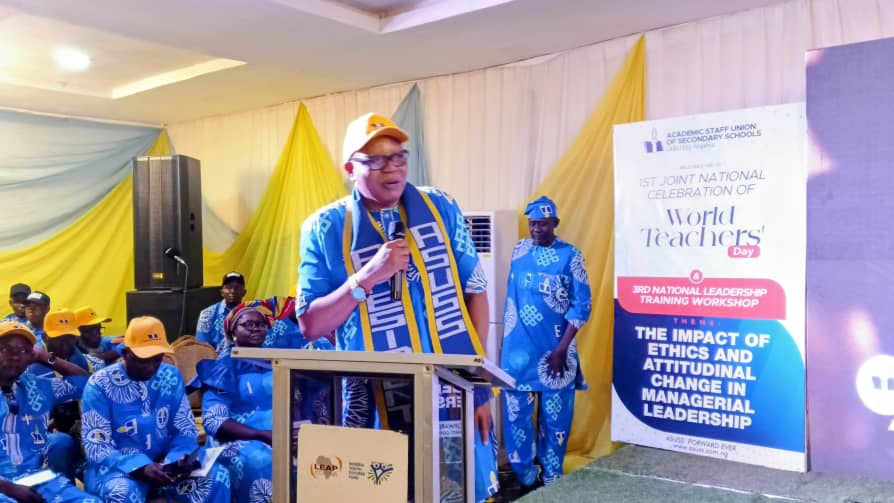
The push for instructional enhancement took center stage on Tuesday, 6 October 2026, in Abuja, where the Academic Staff Union of Secondary Schools (Authorityngr) hosted its third national leadership training workshop. Centered around professional ethics and attitudinal change, union leaders argued that elevating societal respect for educators requires rigorous internal self-evaluation. ASUSS National President Mr Olusola Adigun stated that the union's initiative aims to move past ceremonial observations into actionable capacity building. Lead speaker Dr Adeola Faleye of Obafemi Awolowo University urged teachers to maintain integrity and accountability, noting that upholding professional ethics commands respect from administrations and students. Furthermore, Mr Samuel Ojo of the University of Saskatchewan encouraged educators to embrace artificial intelligence as both a responsibility and an administrative tool for lesson planning and accessibility.
Media additions
These classroom-level demands intersect with broader structural deficits highlighted in international assessments. The UNESCO Institute for Lifelong Learning released its Fifth Global Report on Adult Learning and Education, revealing that while participation rates among women and youth have grown, vulnerable demographics continue to lag behind. Approximately sixty percent of surveyed countries registered no improvement in participation among prisoners, migrants, and people with disabilities, while nearly a quarter reported declines among rural populations and older adults. The report underscores wide disparities in public funding, noting that while some nations prioritize adult learning, others allocate minimal financial resources, leaving socially disadvantaged groups exposed to widening digital and economic divides.
| Adult Education Metric | Report Findings / Statistics |
|---|---|
| Low Participation Countries | 23% of surveyed countries report fewer than 1% of adults aged 15 and above participate in learning programmes. |
| Regional Leadership | Sub-Saharan Africa led participation, with 59% of countries reporting at least one in five adults benefiting from learning. |
| Public Expenditure Disparity | 22 out of 146 countries spend 4% or more of public education funds on adult learning, whereas 28 countries spend under 0.4%. |
| Citizenship Policies | Nearly three-quarters (74%) of countries are actively developing or implementing policies regarding citizenship education. |
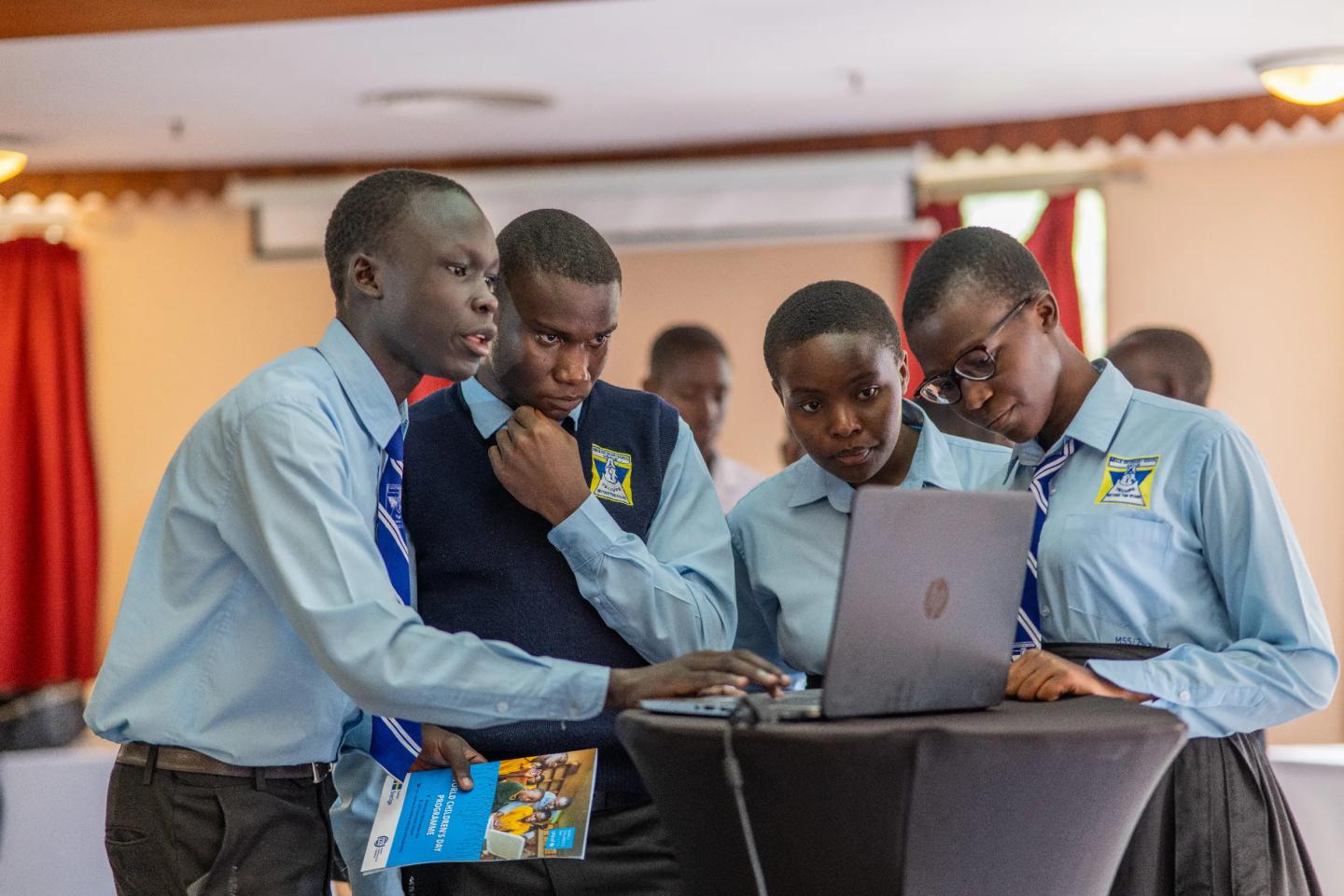
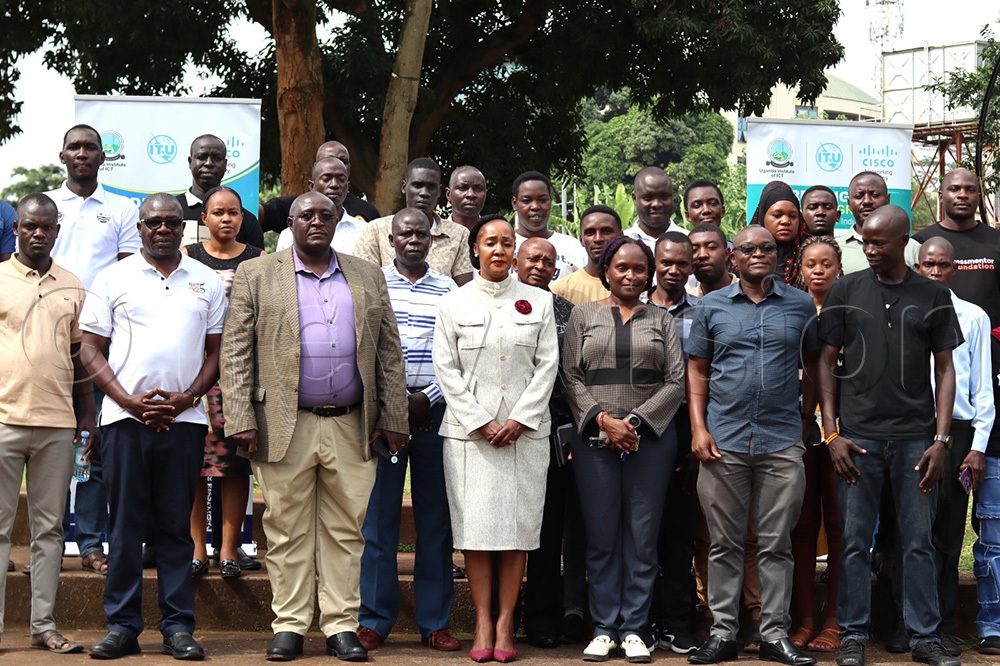
Digital transformation remains a vital pillar of the broader education reform movement, particularly across East Africa. A multi-agency partnership involving the Mastercard Foundation, UNICEF, and the Luigi Giussani Foundation drives the Leaders in Teaching Uganda Program, which provides systemic oversight across thousands of secondary schools and teacher training institutions. Complementing these nationwide frameworks, specialized training initiatives have begun filtering down to individual educators. Twenty-four information and communication technology teachers completed an intensive three-day digital pedagogy and laboratory management course at the Uganda Institute of Information and Communications Technology (Newvision). Upon completion, beneficiary institutions received hardware donations, with deputy principal Dr Irene Nakiyimba urging instructors to maintain equipment properly and extend access to the wider community.
International funding bodies continue to expand these developmental pipelines. The Swedish Program for ICT in Developing Regions (Opportunities For Africans) announced an open call for project proposals focused on digital access, capacity building, and content development across priority nations including Uganda, Kenya, Tanzania, Ethiopia, and Rwanda. These targeted grants aim to reinforce institutional capacity for both primary and secondary institutions, as well as educational programs operating within refugee camps.
Stakeholders across all sectors will watch whether upcoming budgetary allocations match the rhetorical commitments made at leadership workshops and international conferences. As monitoring frameworks evolve, schools in regions like Dokolo will evaluate the long-term impact of newly installed digital infrastructure on student performance and teacher retention.
How significant is this development?
Contribute your assessment to the aggregated reader sentiment ledger.
Frequently Asked Questions
Key questions answered in this reportWhat is the key development in: Stakeholders push for improved teaching, learning in schools?
Education leaders, policymakers, and international coalitions are driving coordinated reforms to overhaul classroom instruction, professional ethics, and digital integration amid persistent learning access disparities.
Why is this World development significant for the UK?
This report covers critical events in our World beat. Independent reporting monitors related UK statements, regulatory shifts, and public responses as further verified details emerge.
How was this reporting corroborated and verified?
Newsarchy UK compiles and cross-references reporting from primary reporting from UNESCO Institute for Lifelong Learning and cross-checked wire reports. All coverage adheres to published editorial standards.
When was this report published?
This briefing was published on October 7, 2026 and is permanently cataloged in the Newsarchy UK World archives.