Trump says new talks with Iran to begin Monday after calling off strikes
President Donald Trump paused a planned military strike on Iran following appeals from Gulf allies, opening the door for renewed diplomatic talks focused on the Strait of Hormuz.
- Core Development: President Donald Trump paused a planned military strike on Iran following appeals from Gulf allies, opening the door for renewed diplomatic talks focused on the Strait of Hormuz.
- Beat Context: Categorized under World with independent corroboration.
- Reporting Depth: 4 minute analytical read synthesized from verified newsroom sources.
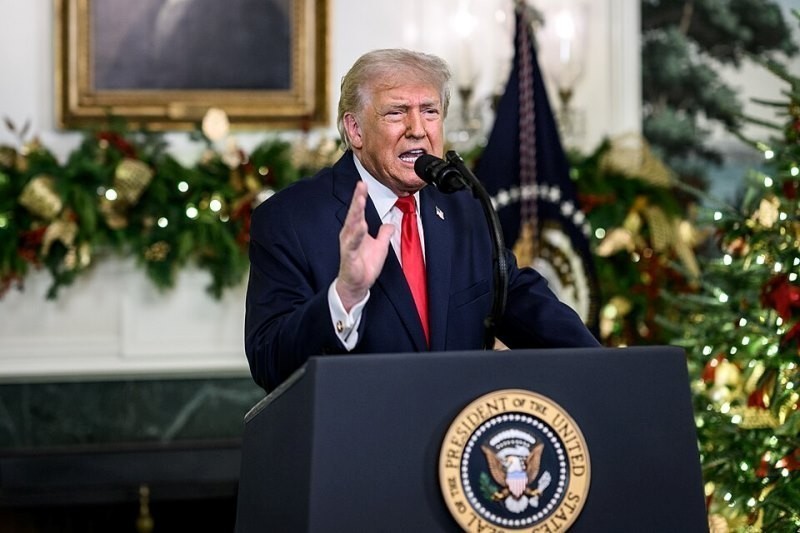
President Donald Trump announced on Sunday that the United States will pause a planned “biggest attack since World War II” on Iran and reconvene diplomatic talks on Monday. The abrupt shift, prompted by appeals from Gulf allies and Tehran, could reshape the war’s trajectory and the future of the Strait of Hormuz, a vital artery for global oil shipments.
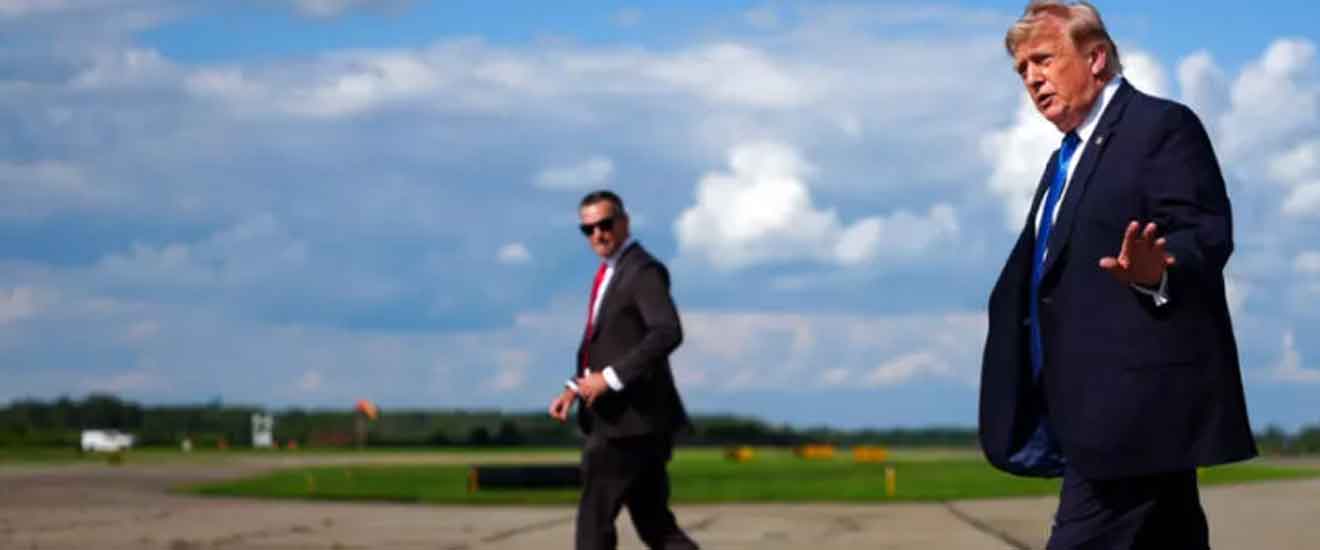
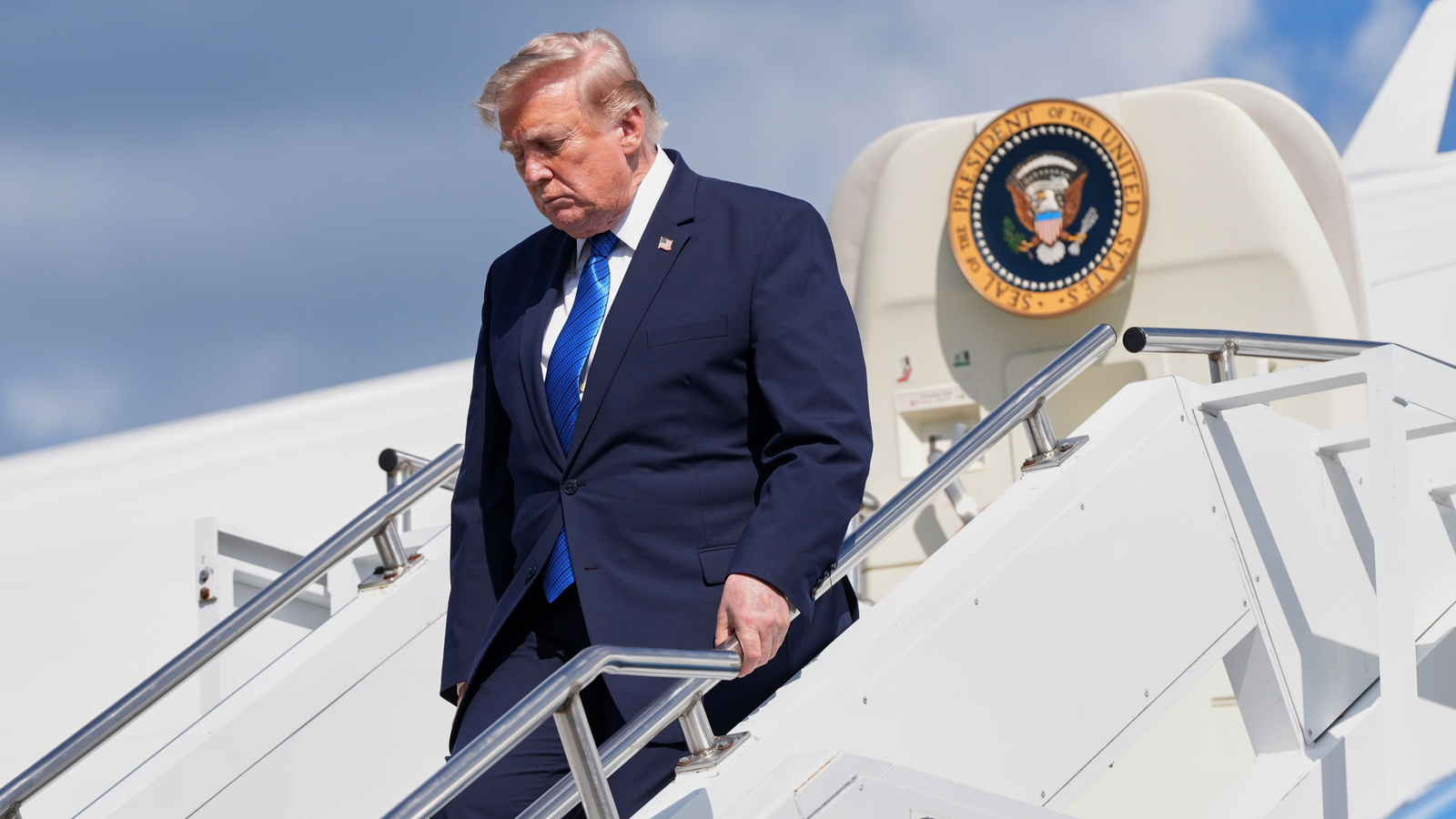
“We’re all set to go, but when the allies asked to call it off, they got us sort of saying, ‘Well, let’s see,’” Trump told reporters aboard Air Force One, adding that the “deal on Hormuz” and a broader “denuclearization of Iran” are now the focus of negotiations.
Media additions
The decision follows a weekend of high‑level phone calls: Saudi Crown Prince Mohammed bin Salman, Qatar and the United Arab Emirates all urged Trump to halt the strikes; Iranian Foreign Minister Abbas Araghchi held “a series of high‑level telephone conversations” with his Saudi counterpart Prince Faisal bin Farhan Al Saud and Pakistan’s army chief Asim Munir. Dunya News reported that Gulf leaders “stressed Riyadh’s commitment to regional security and stability” while Iranian officials discussed “security and stability in the region.”
Trump’s statement on his Truth Social account echoed the same narrative: the United States “locked and loaded and ready to go” but would “cancel the attack, subject to being able to rapidly make a deal.” Indiablooms noted that Trump claimed the proposed framework calls for the “immediate, complete, and total” reopening of the Strait of Hormuz.
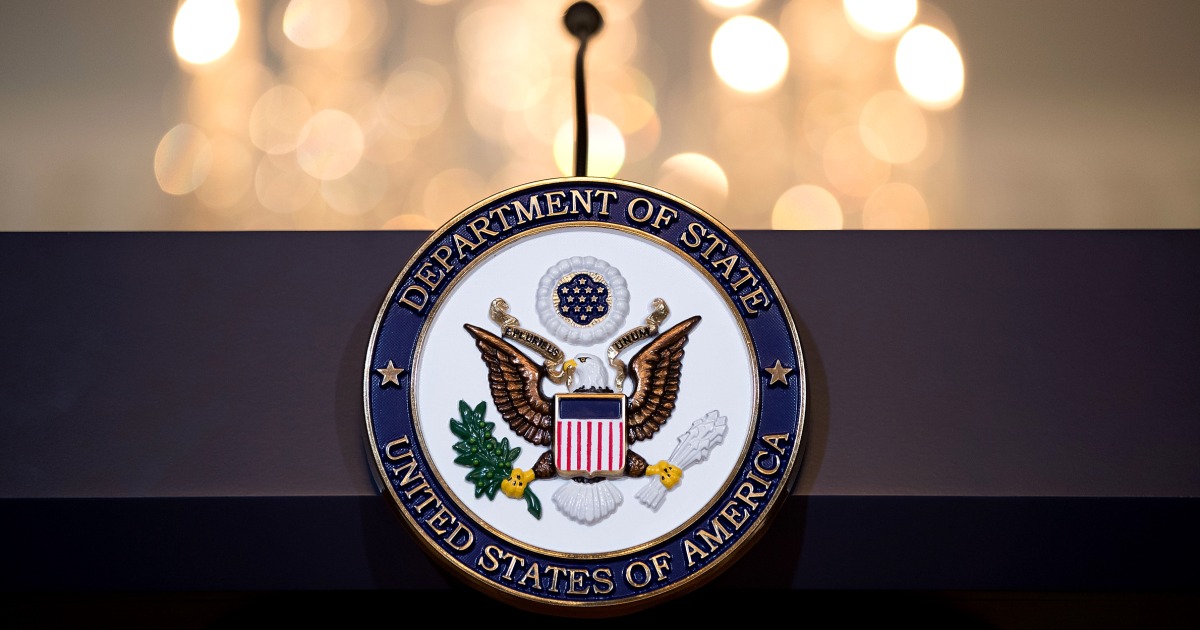
U.S. Officials have confirmed that CentCOM had prepared strikes on Iranian energy and infrastructure targets, with Israel slated to participate. The State Department simultaneously issued an advisory urging Americans in the region to consider leaving or be prepared for rapid departure, citing possible flight disruptions and airspace closures.
Regional reactions remain mixed. Saudi Crown Prince Mohammed bin Salman, speaking with Trump on Saturday, described the dialogue as “candid and constructive” and warned that a new U.S. Bombardment could unleash “severe impact on the global economy.” ABC 7 Chicago reported that the Crown Prince asked whether the United States would prefer to strike or negotiate, emphasizing the preference for a deal.
Iran’s side has been less unified. The Foreign Ministry spokesperson Esmail Baghaei told state TV that the Strait of Hormuz “will in no way return to the status it was before February 28th,” while Acting Defence Minister Majid Ibn al‑Reza dismissed U.S. Statements as “psychological and cognitive warfare.” NBC News quoted him as saying further U.S. Threats would only bolster Iran’s readiness and deterrence.
Behind the diplomatic overture lies a complex backdrop of recent incidents. On July 31, a Greek‑owned LNG vessel, the Gas Log Shanghai, reported an “incident” while exiting the Strait of Hormuz; the ship’s operator activated its emergency plan but did not disclose damage. The vessel had loaded cargo at Qatar’s Ras Lafsa terminal on July 27‑28, according to Kepler and LSE tracking data. Dunya News noted that two Saudi‑laden tankers crossed the Bab el‑Mandeb over the weekend, while traffic through the Strait of Hormuz slowed.
Financial markets reacted instantly. Spot gold rose 0.4% to $4,055.76 per ounce, while Brent crude fell more than 4% to $83.88 per barrel as traders priced in the possibility of a peace deal. Dunya News linked the move to Trump’s decision to hold off fresh attacks.
Congressional voices remain skeptical. Republican Sen. John Kennedy warned on “Meet the Press” that “the president should not trust Iran’s word,” noting that the June memorandum of understanding that had set a 60‑day negotiation timetable had already collapsed when Trump declared it “over” on July 8. NBC News recorded his concern that a new deal might not differ from the failed one.
Timeline of key events
- July 27‑28 – Gas Log Shanghai loads LNG at Qatar’s Ras Lafsa terminal.
- July 31 – Vessel reports “incident” exiting the Strait of Hormuz; crew safe.
- Early August – Gulf allies (Qatar, Saudi Arabia, UAE) urge Trump to pause strikes.
- Saturday, August 1 – Trump posts on Truth Social that the U.S. And Israel will hold off attacks after “perimeters of a deal” are reached.
- Sunday, August 2 – Trump announces on Air Force One the cancellation of the planned “biggest attack since World War II” and schedules talks for Monday afternoon.
What to watch next
- Whether the Monday talks yield a formal agreement on reopening the Strait of Hormuz.
- The response of Iran’s hard‑line factions to any concession on its nuclear programme.
- Potential re‑escalation if the United States or Israel receive new intelligence on Iranian threats.
- Further State Department advisories for American citizens in the Middle East.
- Market movements in oil and gold as investors gauge the durability of the diplomatic pause.
The coming days will test whether the diplomatic overture can translate into a concrete ceasefire and a pathway to address Iran’s nuclear ambitions, or whether the war will resume with the “biggest attack” that Trump had prepared to launch. The world watches as the balance between military readiness and diplomatic pressure hangs in the balance.
How significant is this development?
Contribute your assessment to the aggregated reader sentiment ledger.
Frequently Asked Questions
Key questions answered in this reportWhat is the key development in: Trump says new talks with Iran to begin Monday after calling off strikes?
President Donald Trump paused a planned military strike on Iran following appeals from Gulf allies, opening the door for renewed diplomatic talks focused on the Strait of Hormuz.
Why is this World development significant for the UK?
This report covers critical events in our World beat. Independent reporting monitors related UK statements, regulatory shifts, and public responses as further verified details emerge.
How was this reporting corroborated and verified?
Newsarchy UK compiles and cross-references reporting from primary reporting from nbcnews.com and cross-checked wire reports. All coverage adheres to published editorial standards.
When was this report published?
This briefing was published on August 3, 2026 and is permanently cataloged in the Newsarchy UK World archives.