Trump claims US-Iran talks start Monday despite Tehran denying negotiations
President Donald Trump announced that negotiations with Iran would begin, though the Iranian foreign ministry insisted no direct talks were under way.

- Core Development: President Donald Trump announced that negotiations with Iran would begin, though the Iranian foreign ministry insisted no direct talks were under way.
- Beat Context: Categorized under World with independent corroboration.
- Reporting Depth: 5 minute analytical read synthesized from verified newsroom sources.
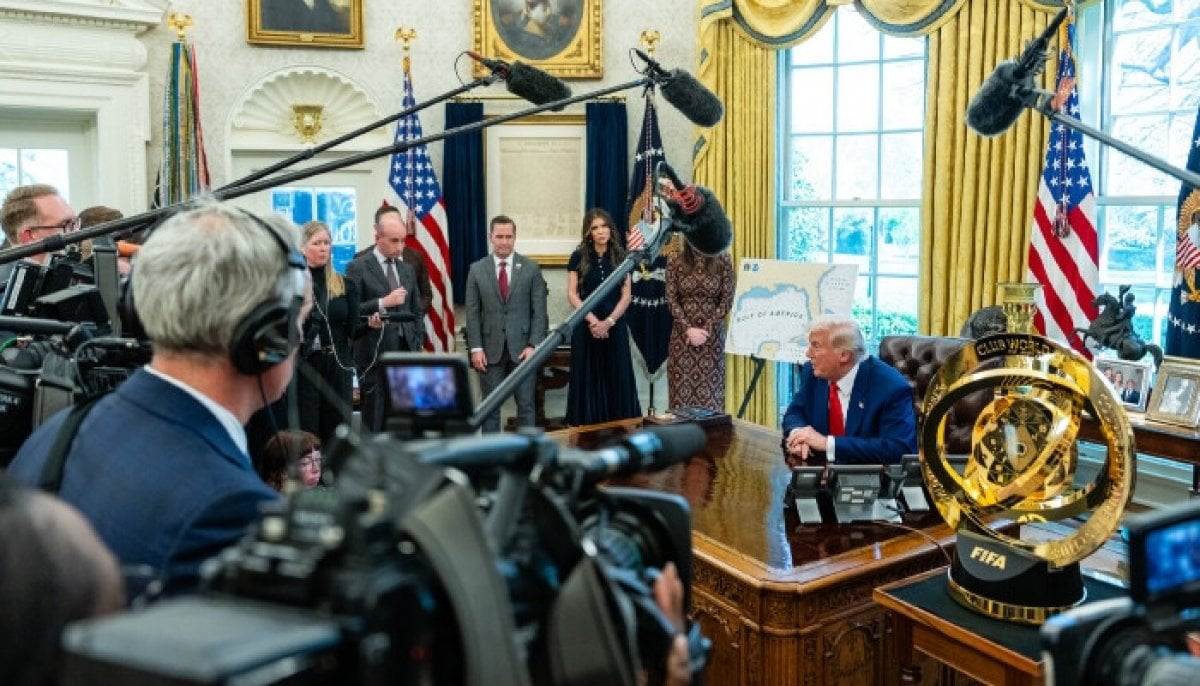
President Donald Trump announced on Sunday that fresh negotiations to end the month‑long war with Iran would begin on Monday, saying the United States was “talking” with Tehran even as the Iranian foreign ministry insisted no direct talks were under way. The claim came minutes after Trump scrapped a plan he described as “the biggest attack since World War II,” saying Gulf allies had urged him to give diplomacy a chance.
Trump’s public statements and the diplomatic “perimeters” he described
Speaking aboard Air Force One, Trump said the decision to halt the strike was driven by appeals from Qatar, Saudi Arabia and the United Arab Emirates, as well as “messages from unnamed Iranian officials.” He added that a “deal is imminent, having to do with the Hormuz Strait and also, ultimately, the denuclearization of Iran.”
Media additions
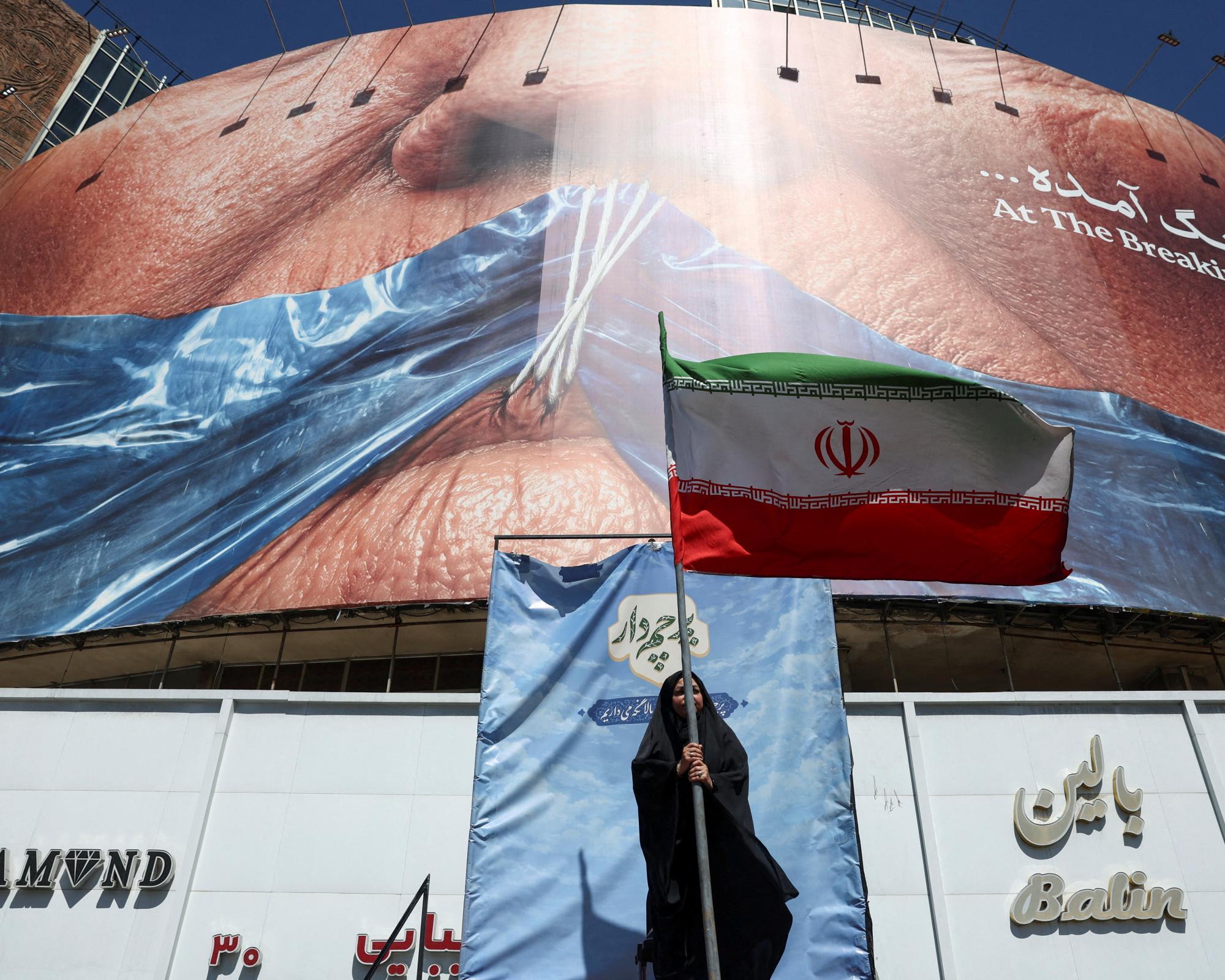

On his Truth Social platform the president repeated the claim, writing that “Iranian Leadership is unbelievably duplicitous! They ask for a meeting, some would say ‘beg,’ talks begin, with more scheduled in the immediate future, and they say, openly and proudly, that they’re not having any discussions, that nothing is being talked about, and they’re only dealing with ‘Oman.’”
Trump also told reporters that the first phase would involve “opening the Strait of Hormuz, literally by tomorrow,” with a second phase covering “the nuclear capacity … the denuclearization of Iran.” He said the United States would “give people a chance” and that details would emerge “today or tomorrow.”
Iran’s denial and focus on Oman
Iranian foreign‑ministry spokesperson Esmaeil Baqaei (also rendered as Esmail Baghaei) held a press briefing on Monday to rebut the president’s claim. He asserted that Tehran was “not currently negotiating with the United States,” adding that all ongoing talks were with Oman and centred on “a temporary route for safe navigation through the Strait of Hormuz.”
He clarified that the aim was to “determine … a route that will likely be temporary and will enable safe maritime navigation,” describing the discussions with Oman as “constructive” over the past eight days.
Iran’s foreign minister, Abbas Araghchi, arrived in Najaf for the Arbaeen pilgrimage on Monday, a move the ministry described as separate from any U.S. Engagement. Araghchi also held phone calls with Saudi and Pakistani leaders, and Pakistan’s foreign‑ministry announced that it had invited him to visit Islamabad to discuss “key regional and international developments.”
In addition, an Iraqi politician claimed that Baghdad was conveying U.S. Messages to Tehran, citing Prime Minister Ali al‑Zeidi’s recent visit to Washington as a channel for mediation.
Regional diplomatic activity beyond Tehran and Washington
Meanwhile, an expanded Lebanese delegation was set to travel to Rome on Tuesday for the next round of U.S.–mediated talks with Israel. The group, headed by Ambassador Simon Karam, would include diplomats, military officers and legal experts to address security, border and reconstruction issues.
“I am encouraged that talks in Rome remain ongoing, and I hope both governments reach a successful outcome.”
Michel Issa, U.S. Ambassador to Lebanon, via U.S. Embassy statements
U.S. Envoy Steve Witkoff and former adviser Jared Kushner were reported to be part of the ongoing behind‑the‑scenes negotiations with Iranian representatives, though officials told CBS News there were no “new” negotiations beyond the established channels.
Military moves and the blockade
The United States military announced on X that it had redirected 44 commercial vessels under its blockade of Iran. CENTCOM reported that U.S. Forces had disabled two vessels and boarded another two in the same period.
Market reaction to the mixed messages
Wall Street responded within minutes. The Dow Jones Industrial Average rose about 1.1 % in early trading, while the S&P 500 and Nasdaq Composite each posted gains. Interactive‑Brokers trader Steve Sosnick said, “Obviously the market likes hearing that there may be some progress in the Persian Gulf. We’ve heard this news before and it hasn’t led to much, but the market always seems optimistic when they hear something of this type.”
Oil markets moved in the opposite direction. Crude futures slipped more than 6 % after Trump’s announcement, even as Kpler data showed nine vessels transited the Strait of Hormuz on Sunday, seven of them using an Iranian‑controlled route that requires coordination and a toll.
In the nearby Bab el‑Mandeb, Kpler reported 30 crossings on Sunday, down from 41 the previous week, indicating continued constraints on Red‑Sea traffic.
Other war‑related developments
Iran’s judiciary carried out the executions of two men, Omid Behzad and Pouria Safvat, convicted of espionage for Israel’s Mossad. The Mizan News Agency said the men had provided military coordinates and images to Israeli‑linked channels.
In Gaza, Israeli strikes over the weekend left at least 17 people dead, including children, according to local hospitals. Hamas officials said the movement had contacted mediators to halt Israeli escalation, while a senior Israeli source warned that Israel would not retreat from its current stance.
The Syrian interim president met Iraq’s Kurdish regional president in Damascus to discuss security cooperation, and Iranian‑backed Iraqi militia groups carried out drone strikes targeting American interests across Iraq, including the Kurdish region.
What to watch next
- Whether any direct U.S.–Iran channel materialises beyond the Oman‑focused talks, as U.S. Officials have stressed that “no new negotiations” are planned.
- The outcome of the Lebanese delegation’s talks in Rome and how they might intersect with broader regional security arrangements.
- Further movements of commercial vessels under the U.S. Blockade and any additional CENTCOM operations.
- Continued fluctuations in oil prices as markets react to the uncertain diplomatic trajectory.
- Developments in Gaza and the Syrian‑Iraqi security dialogue that could influence the wider Middle‑East framework.
How significant is this development?
Contribute your assessment to the aggregated reader sentiment ledger.
Frequently Asked Questions
Key questions answered in this reportWhat is the key development in: Trump claims US-Iran talks start Monday despite Tehran denying negotiations?
President Donald Trump announced that negotiations with Iran would begin, though the Iranian foreign ministry insisted no direct talks were under way.
Why is this World development significant for the UK?
This report covers critical events in our World beat. Independent reporting monitors related UK statements, regulatory shifts, and public responses as further verified details emerge.
How was this reporting corroborated and verified?
Newsarchy UK compiles and cross-references reporting from primary reporting from cbsnews.com and cross-checked wire reports. All coverage adheres to published editorial standards.
When was this report published?
This briefing was published on August 3, 2026 and is permanently cataloged in the Newsarchy UK World archives.