Trump calls US$5,000 payouts ‘easy’ to fit into federal budget
President Donald Trump defended his pledge to send $5,000 cash payouts to American adults, insisting the plan is easily manageable if Republicans retain Congress.
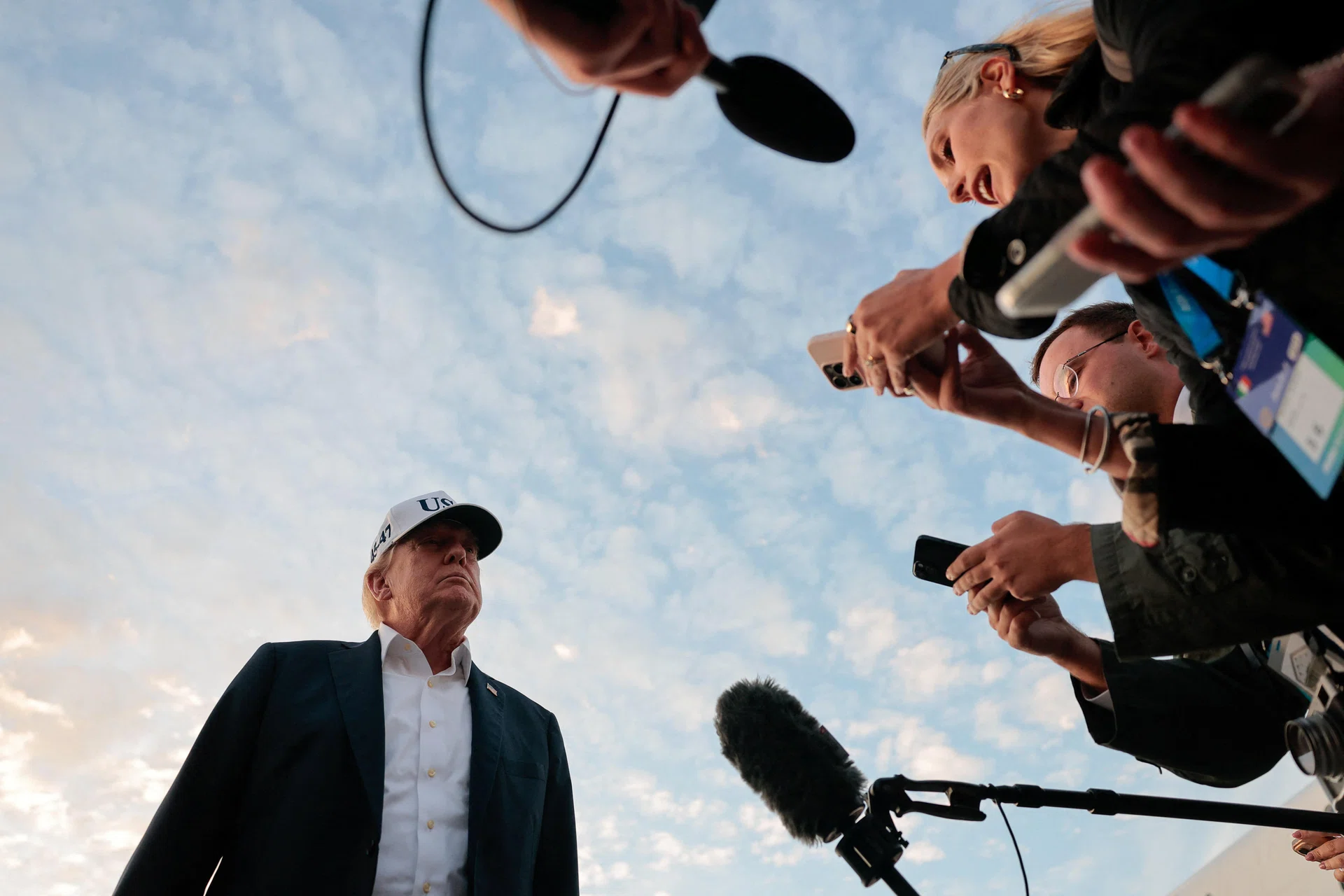
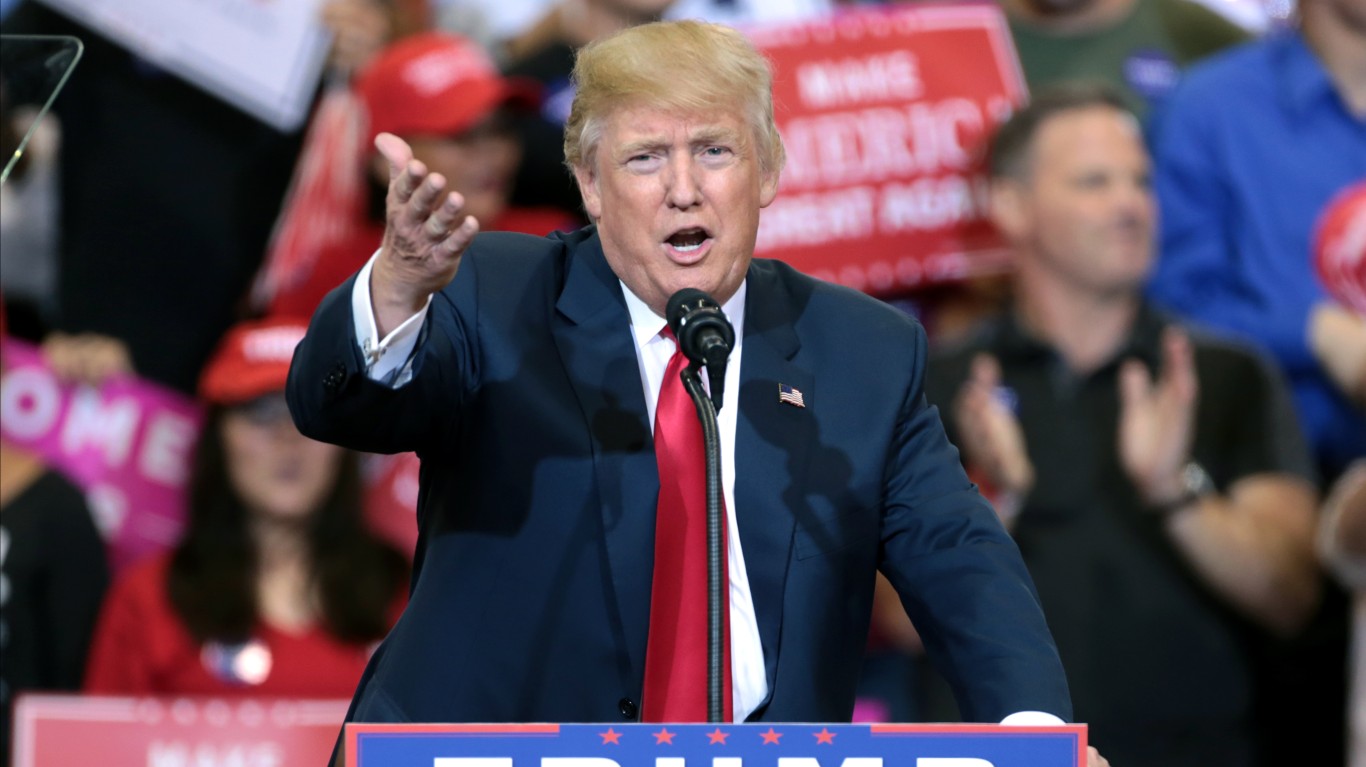
President Donald Trump has doubled down on a contentious campaign pledge, declaring that sending a cash payout to every adult in the United States would be straightforward to absorb into the federal ledger provided his party maintains its legislative majorities. Speaking on Sunday, 13 September 2026, to reporters at a golf tournament at his club in Doonbeg, Ireland, the president brushed aside questions regarding the legislative hurdles facing the initiative as he prepared for upcoming economic policy deliberations.
The proposal first emerged during a speech at the Republican Party convention last week. When pressed by reporters in Ireland on whether Congress would need to sign off on the expenditure, the president asserted that trillions of dollars flowing into the country make the initiative easy to handle, stating I don’t know but it’s easy if the Republicans win. $5,000 to all adults in the country and we can easily handle that because we’re taking in so much money
.
Media additions

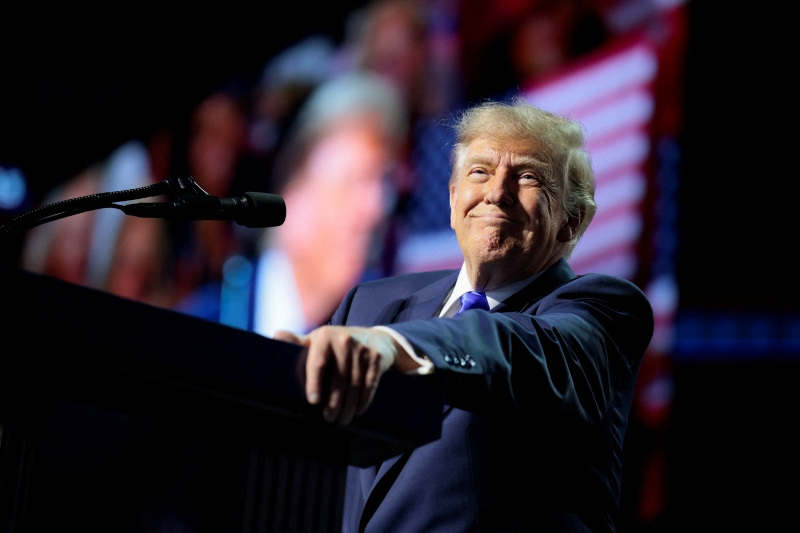
Those claims have immediately collided with the realities of Capitol Hill and ongoing coverage of United States fiscal policy. House Speaker Mike Johnson acknowledged the political appeal of returning funds to citizens while speaking on television, noting that lawmakers would need to sort through complex legislative specifics. Other lawmakers expressed skepticism over the feasibility of the plan, pointing to previous subsidy adjustments and mounting national obligations. Democratic politicians on Sunday morning talk shows panned the idea, with House Minority Leader Hakeem Jeffries telling television audiences that it is not a serious proposal.
At the same time, U.S. Senator Mallory McMorrow cast doubt on whether the promised cheques would be sent even if Republicans retain control of Congress, citing the elimination of some Affordable Care Act subsidies. Conversely, U.S. Representative Mike Lawler would not specifically commit to the dividend proposal, citing tax cuts passed previously and emphasizing the question of how to pay for such measures.
| Metric / Estimate | Reported Figure | Context |
|---|---|---|
| Proposed Payout | $5,000 per adult | Conditional on Republican congressional retention |
| Estimated Total Cost | Over $1 trillion to $1.35 trillion | Roughly 71% of projected annual deficit |
| Projected Annual Deficit | $1.9 trillion | Congressional Budget Office estimate for fiscal 2026 |
| National Debt | Surpassed $40 trillion | Reflects ongoing federal borrowing pressures |
Financial analysts and market observers have raised serious questions about how such a massive cash distribution would be financed without exacerbating inflation or driving up borrowing costs. Vice President JD Vance previously suggested that tariff revenue could serve as a backstop and that wealthier individuals might be excluded from the rolls. Yet, consumer advocates have labeled the pledge an overt attempt to influence voters ahead of the upcoming midterm elections. Lisa Gilbert, co-president of the consumer watchdog Public Citizen, called the move an explicit and desperate attempt to buy votes in the November election.
Simultaneously, the administration's fiscal debates intersect with monetary policy decisions. Ahead of a central bank policy meeting, the president argued that the nation ought to maintain the lowest borrowing costs in the world, regardless of recent inflation data. National Economic Council Director Kevin Hassett defended the independence of Federal Reserve leadership while confirming the administration's preference for lower borrowing expenses, noting that the president would not be super happy about a rate hike.
What to Watch Next
- The upcoming Federal Reserve policy meeting and any resulting adjustments to benchmark interest rates.
- Congressional debate over upcoming federal appropriations, deficit reduction measures, and whether any formal legislative text for the dividend is introduced.
- Voter sentiment and polling shifts ahead of the November midterm elections that will determine control of both chambers of Congress.