Trump calls on Ukraine to halt strikes on diesel, saying attacks are causing a shortage
President Donald Trump has called on Ukrainian President Volodymyr Zelenskyy to stop targeting Russian diesel infrastructure, arguing that the drone strikes are worsening a global fuel shortage as U.S. prices surge past six dollars a gallon.

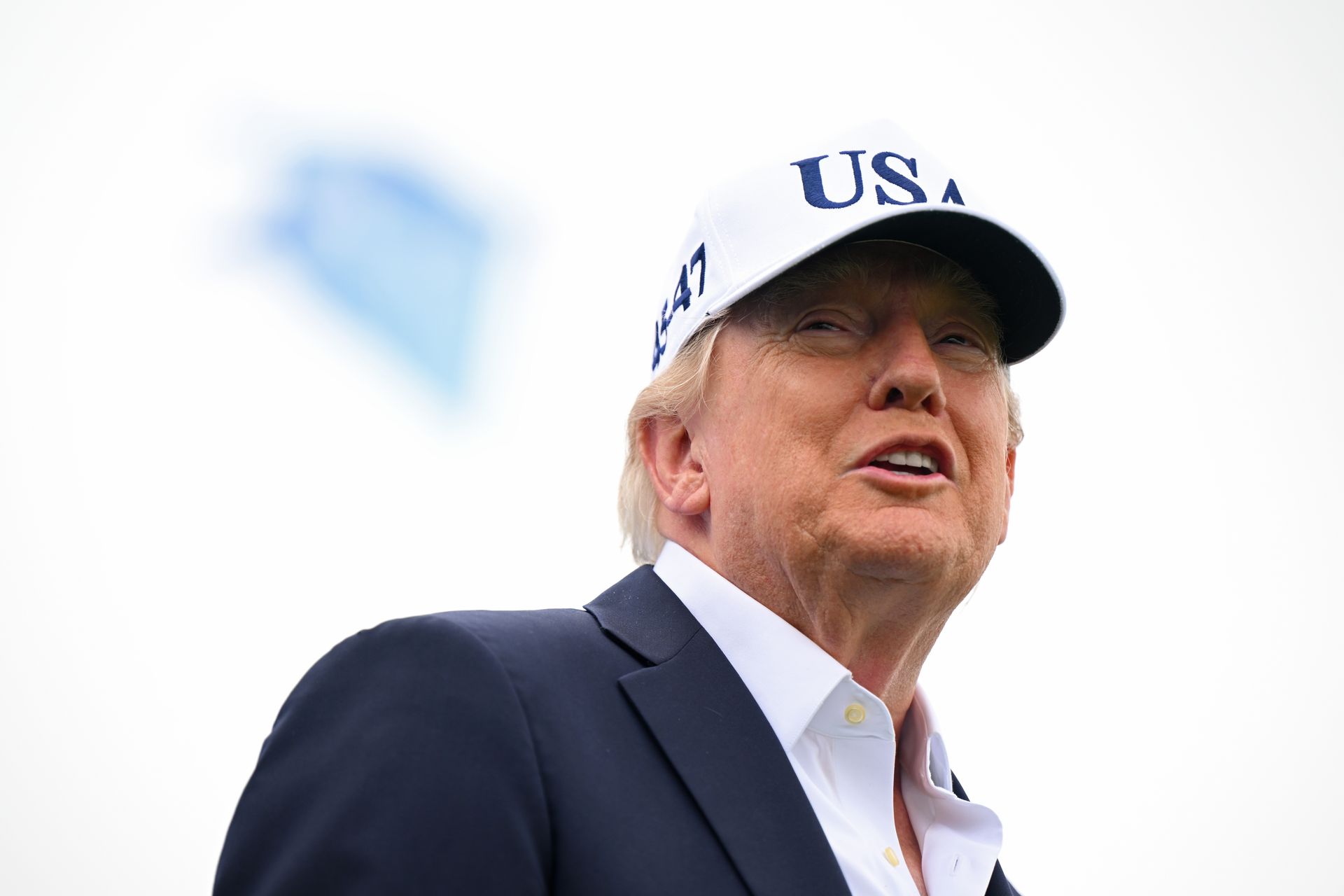
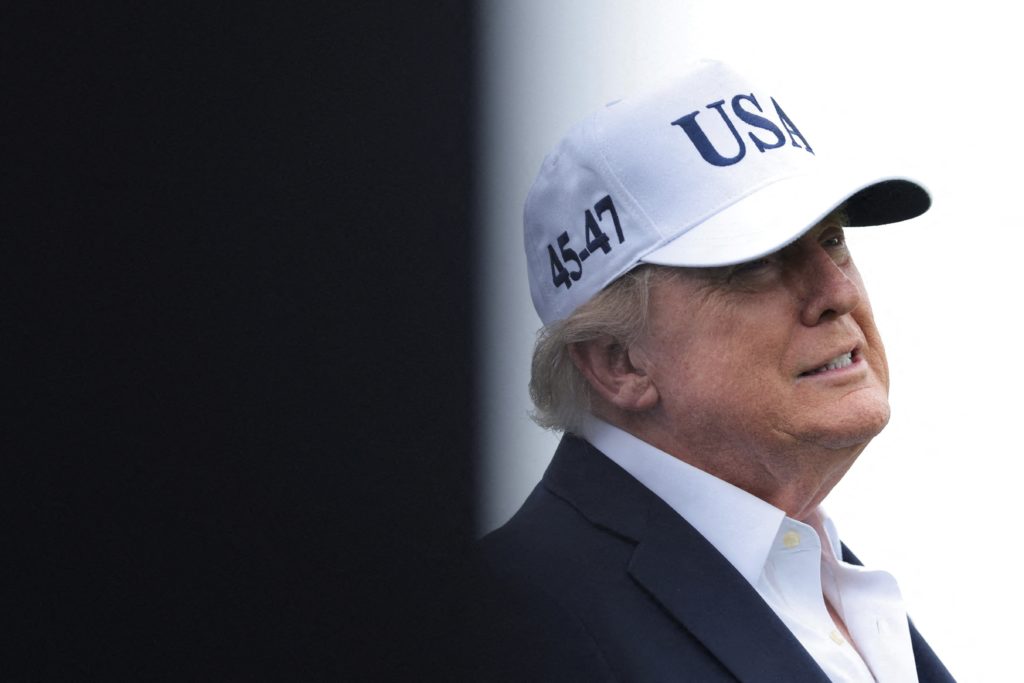
On Sunday, as diesel prices in the United States topped six dollars a gallon for the first time, President Donald Trump stepped onto the sidelines of the Irish Open and urged Ukrainian President Volodymyr Zelenskyy to stop striking Russian diesel infrastructure. The plea came amid a surge of drone‑borne attacks on Russian refineries that has prompted Moscow to impose a diesel export ban and triggered fuel rationing across the country. Trump’s remark, made after his conversation with Russian President Vladimir Putin, has added a new layer of pressure on Kyiv as global markets grapple with a tightening fuel supply.
Trump’s comments came after a series of overnight strikes that left civilians dead and injured on both sides of the conflict. In Russia’s Tatarstan region, a drone strike in Nizhnekamsk killed two people and injured 14, while Ukrainian drones reportedly hit a major refinery in Slavyansk‑on‑Kuban. Russian forces said they shot down 389 Ukrainian drones that night, a figure that matches the 389 reported by the Russian defence ministry.
Media additions

These attacks are part of Ukraine’s broader strategy to disrupt the oil and gas sector that finances Moscow’s war effort. Kyiv argues that refineries and fuel depots are legitimate military targets because they supply the Russian military with diesel for its vehicles and fuel for its power plants. Russia, however, maintains that the sector is essential for its civilian economy and has responded by banning diesel exports in July. The ban, combined with the war in Iran that has cut off a significant portion of Middle Eastern refining capacity, has tightened the global diesel supply chain.
| Event | Location | Reported Impact |
|---|---|---|
| Russian diesel export ban | Moscow | Removal of Russian diesel from global market |
| Iran war disrupts Strait of Hormuz | Middle East | Further constriction of oil shipments |
| Ukrainian drone strike on Slavyansk‑on‑Kuban refinery | Krasnodar, Russia | Damage to processing unit and tank farm |
| Russian drone strike on Nizhnekamsk | Tatarstan, Russia | Two fatalities, 14 injured |
Trump’s call to halt diesel strikes is not the first attempt by the United States to influence Kyiv’s targeting choices. In recent weeks, U.S. Envoys Jared Kushner and Steve Witkoff have met with both Putin and Zelenskyy in Moscow and Kyiv, respectively, in a bid to restart peace talks. Kremlin spokesman Dmitry Peskov has signalled that Russia is open to negotiations in the autumn, with October not ruled out as a potential window for talks. Yet the core demands of Moscow and Kyiv remain at odds, especially over territorial concessions, a divergence that has kept negotiations at a stalemate.
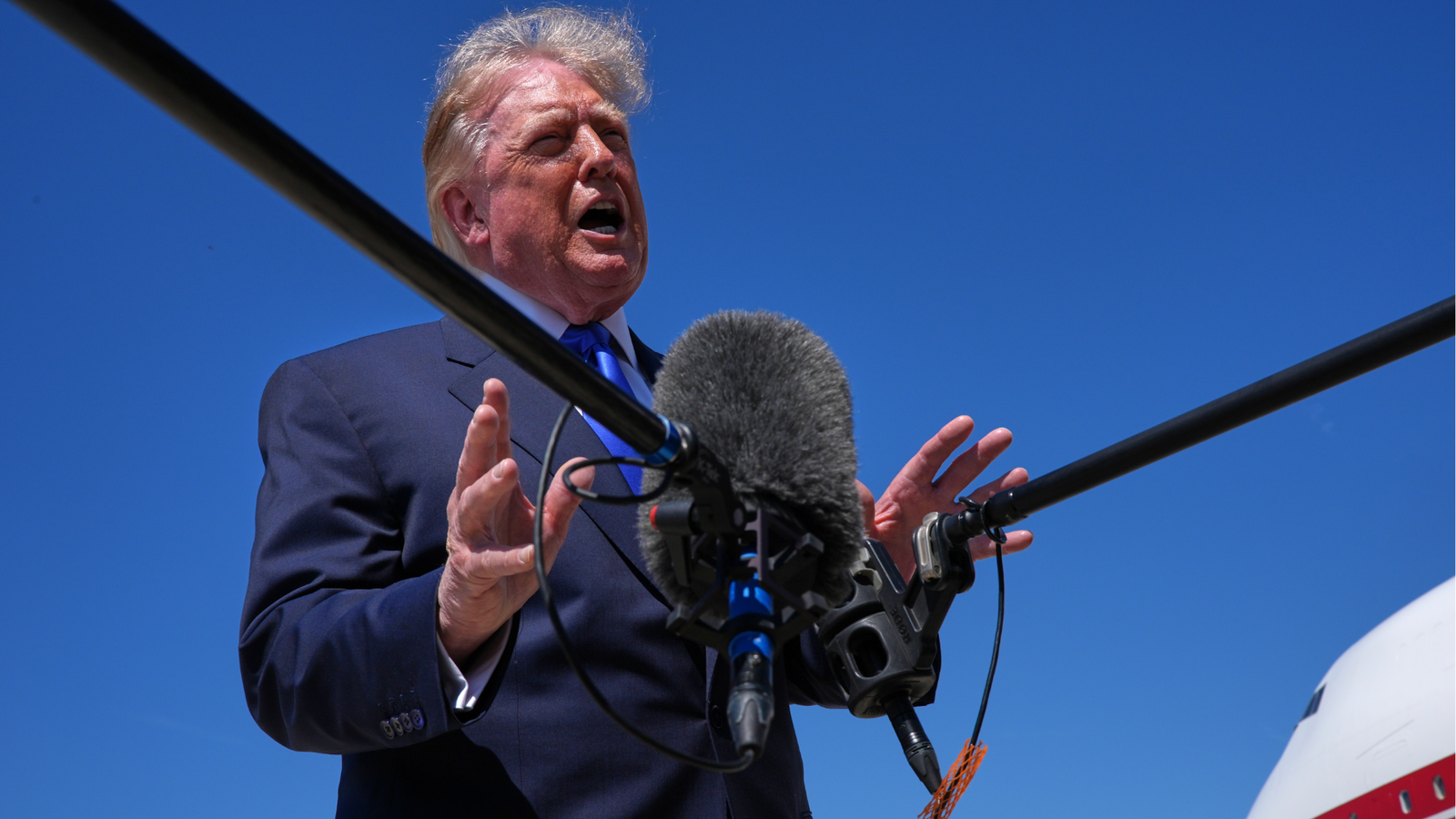
He said, “Let him go after targets but not diesel fuel, because he’s causing a shortage of diesel fuel.” The remark reflects concerns that rising fuel prices could dampen consumer confidence ahead of the November mid‑term elections. The U.S. Diesel price, which has averaged above $6 a gallon since Friday, has become a flashpoint for voters in key swing states.
Russia’s response to the U.S. Pressure has been muted. In a statement, Moscow’s defence ministry said it had shot down 389 Ukrainian drones that night, a figure that matches the number reported by the ministry. Russian officials have not publicly indicated any change in their strategy toward Ukrainian attacks on energy infrastructure.
Meanwhile, the conflict’s humanitarian toll has risen. Ukrainian authorities reported that a Russian drone attack on a residential high‑rise in Odesa killed two people and injured 26. In Ukraine’s western regions, a drone strike set fire to a petrol station near the Yahodyn-Dorohusk border crossing with Poland.
Experts argue that the global diesel shortage is a product of multiple factors, not solely Ukrainian strikes. An International Energy Agency report noted that net exports of diesel and gasoil from Gulf countries in August were “just over a quarter” of what they were before the war on Iran began. The report added that “disruptions to Russia’s refining system and a near-halt to product exports following intensified Ukrainian attacks have compounded these losses.” The combined effect of Middle Eastern and Russian supply shocks has tightened the global seaborne market for diesel.
In the world of diplomacy, the United States appears to be walking a tightrope. On one hand, it is pressing Ukraine to reduce attacks that it claims are harming the global economy. On the other, it is urging Moscow to consider a pause in strikes that have escalated tensions. Trump’s public appeal to Zelenskyy is the latest example of the U.S. Trying to balance military strategy with economic stability.
In short, Trump’s call on Sunday signals a new dimension in the U.S. Approach to the Ukraine war: a focus on the global economic fallout from Ukrainian strikes on Russian diesel infrastructure. Whether Kyiv will heed the warning remains to be seen, but the pressure from Washington adds another layer to an already complex conflict.