Trump demands Iran pay compensation as Hormuz negotiations stall
President Donald Trump has demanded compensation from Iran for past conflicts and casualties as negotiations over the Strait of Hormuz stall amid a naval blockade.
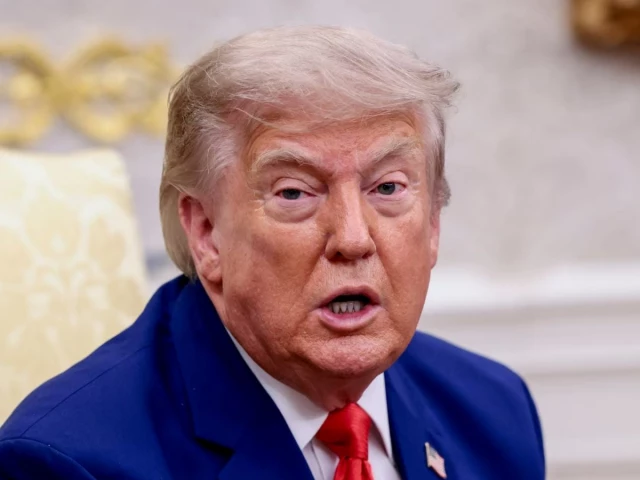
- Core Development: President Donald Trump has demanded compensation from Iran for past conflicts and casualties as negotiations over the Strait of Hormuz stall amid a naval blockade.
- Beat Context: Categorized under World with independent corroboration.
- Reporting Depth: 3 minute analytical read synthesized from verified newsroom sources.
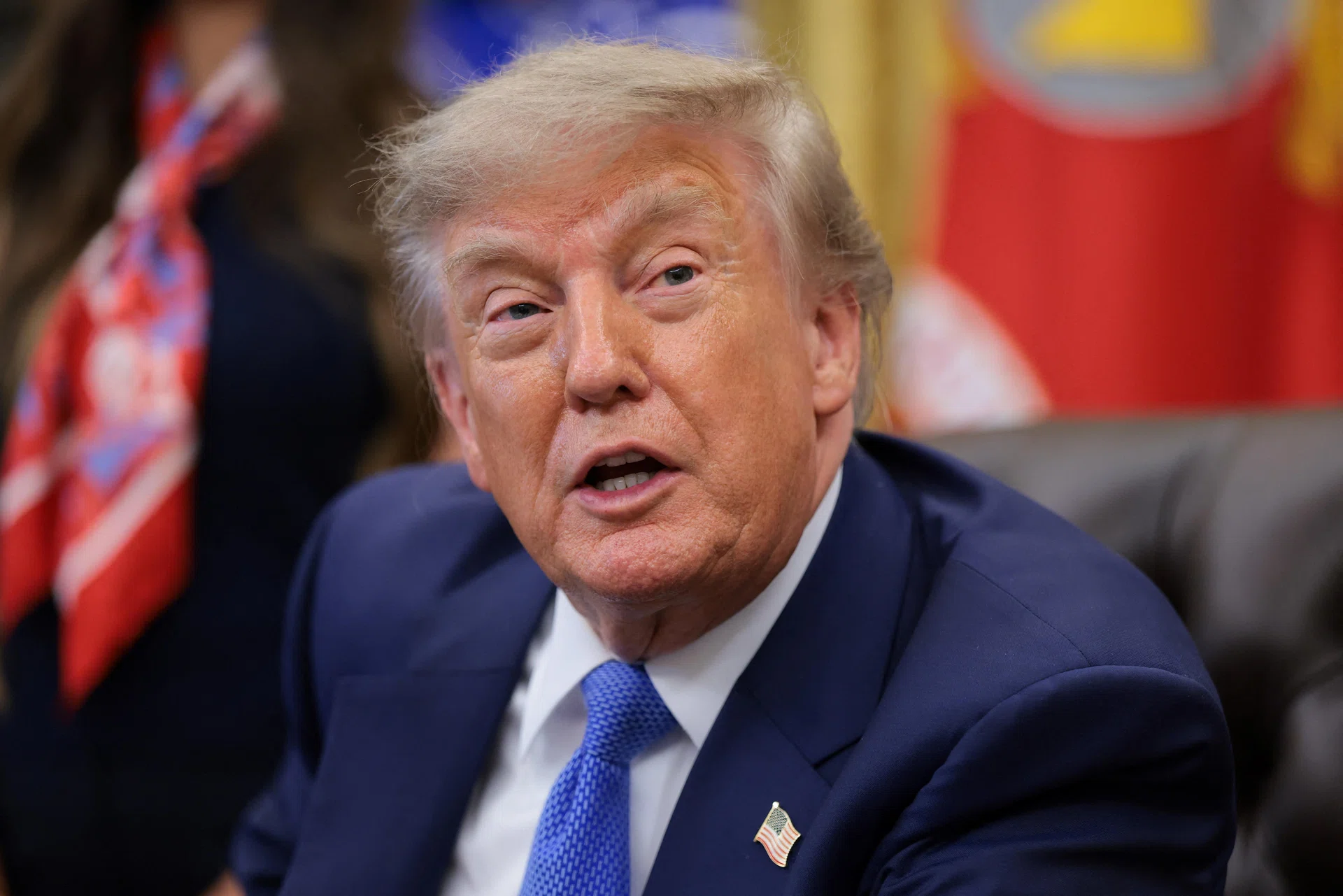
On Monday, U.S. President Donald Trump used his social media platform to launch a sweeping set of counter-demands against Tehran, complicating efforts to wind down the regional conflict and reopen the strategic Strait of Hormuz. According to reports from the National Post and other outlets, Trump wrote on social media,
and added that compensation must also be paid to the families of innocent protesters killed over the past five decades."I am likewise demanding compensation from Iran, for all of the people that they have killed and gravely wounded with their roadside bombs and many conflicts,"
Donald Trump, U.S. President, via National Post
Media additions
The diplomatic stand-off escalated as both Washington and Tehran hardened their positions. Iran's foreign ministry spokesman, Esmail Baghaei, told reporters on Monday that the waterway would remain restricted. According to Ttnews and other sources, Baghaei stated,
In addition to reparations for the war initiated by U.S. And Israeli airstrikes on Feb. 28, Tehran has insisted on the lifting of naval blockades, the release of frozen assets, and an end to attacks on regional allies in Lebanon, Iraq, Yemen, and Gaza."As long as hostile actions continue, the conditions for ensuring the safety of this waterway are not in place. Its reopening is contingent on the US ceasing its illegal actions, lifting the siege and compensating for damages."
Esmail Baghaei, Foreign Ministry Spokesman, via TTNews
In response to these conditions, Trump expanded his demands during an appearance in the Oval Office. According to CBS News, he insisted that Iran should also bear responsibility for casualties resulting from past regional conflicts and attacks, including the 2000 bombing of the USS Cole. Trump maintained on his social media platform,
Furthermore, Trump told reporters that the United States maintained total control over the strait, describing the naval blockade as an infallible barrier while acknowledging that Iranian forces could still create disruptions due to severe financial distress."With respect to the Iran negotiations, Iran should be responsible for the damages and death caused to the people of Lebanon, Syria, Yemen, and Gaza!"
Donald Trump, U.S. President, via CBS News
This rhetoric marks a shift from statements made a day earlier. On Sunday, Trump told Axios that his administration was pursuing a restrained approach, stating,
Rather than launching immediate military strikes, the U.S. President framed the naval blockade and resulting financial pressure as primary tools to squeeze the Iranian economy, where inflation has reportedly reached high levels and the national currency has depreciated."We are just watching Iran with its huge inflation and the fact they have no money."
Donald Trump, U.S. President, via Axios
Amid the political deadlock, internal security shifts have occurred in Tehran. Over the weekend, Supreme Leader Mojtaba Khamenei appointed hard-line former Islamic Revolutionary Guard Corps commander Mohsen Rezaee to head the Supreme National Security Council, replacing Mohammad Bagher Zolghadr. Iranian Foreign Minister Abbas Araghchi indicated that while indirect talks and the exchange of messages through intermediaries—particularly with Oman regarding a safe shipping route—were progressing, direct negotiations with Washington remain ruled out until U.S. Actions change.
The stalled negotiations have exerted immediate pressure on global energy markets. Brent crude rose more than four per cent on Monday to over US$87 a barrel, extending a rally of more than five per cent over the previous three sessions. European diesel futures also surged following separate attacks on refinery infrastructure in Saudi Arabia and Russia.
As the conflict enters its sixth month, the administration announced a 90-day extension of a Jones Act waiver taking effect on Aug. 17, intended to facilitate the transport of energy commodities and agricultural goods among U.S. Ports. White House spokeswoman Taylor Rogers explained the decision, stating,
Future developments will depend on whether economic pressure from sanctions and naval enforcement or parallel diplomatic channels through regional mediators can break the impasse over the Strait of Hormuz before upcoming deadlines tied to bilateral memorandums of understanding take effect."To ensure our military and key industries maintain uninterrupted access to critical resources."
Taylor Rogers, White House Spokeswoman, via CBS News
How significant is this development?
Contribute your assessment to the aggregated reader sentiment ledger.
Frequently Asked Questions
Key questions answered in this reportWhat is the key development in: Trump demands Iran pay compensation as Hormuz negotiations stall?
President Donald Trump has demanded compensation from Iran for past conflicts and casualties as negotiations over the Strait of Hormuz stall amid a naval blockade.
Why is this World development significant for the UK?
This report covers critical events in our World beat. Independent reporting monitors related UK statements, regulatory shifts, and public responses as further verified details emerge.
How was this reporting corroborated and verified?
Newsarchy UK compiles and cross-references reporting from primary reporting from cbsnews.com and cross-checked wire reports. All coverage adheres to published editorial standards.
When was this report published?
This briefing was published on August 11, 2026 and is permanently cataloged in the Newsarchy UK World archives.