Trump asks Iran for war reparations in new tit-for-tat demand
President Trump has escalated diplomatic friction with Tehran by demanding war reparations from Iran, countering Tehran's demands for U.S. compensation.
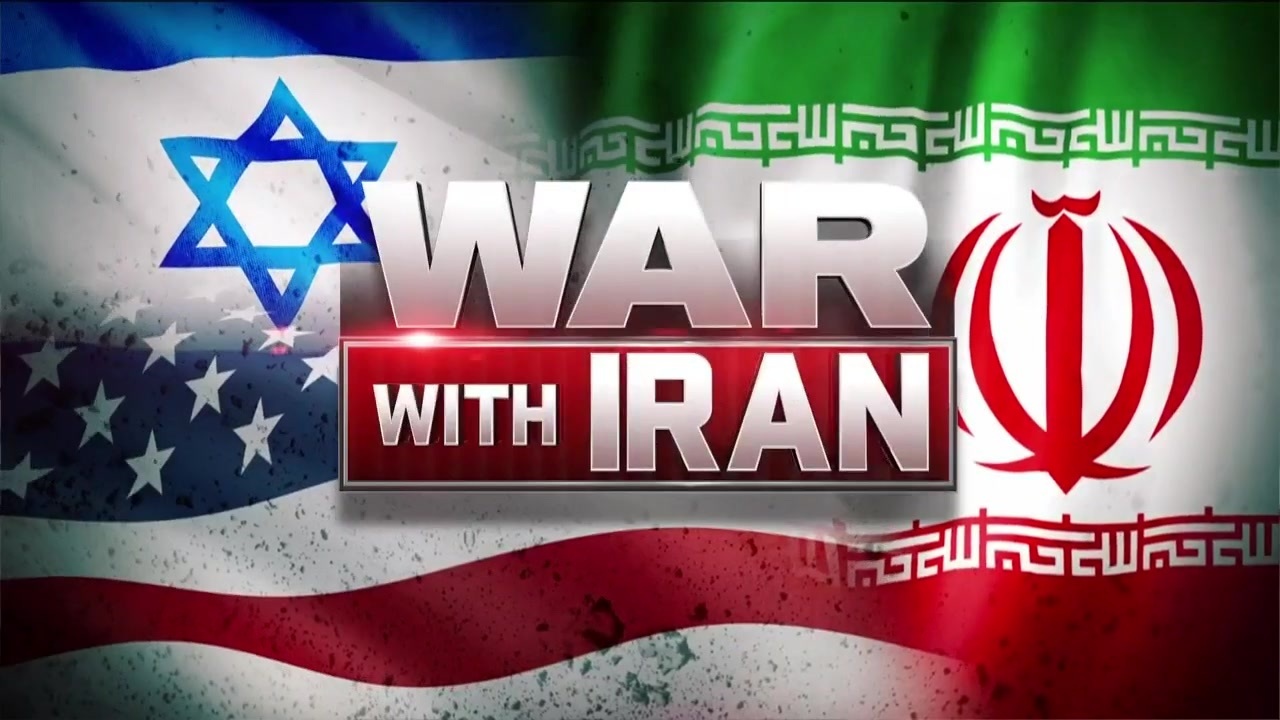
- Core Development: President Trump has escalated diplomatic friction with Tehran by demanding war reparations from Iran, countering Tehran's demands for U.S. compensation.
- Beat Context: Categorized under World with independent corroboration.
- Reporting Depth: 3 minute analytical read synthesized from verified newsroom sources.
President Donald Trump has escalated diplomatic friction with Tehran by demanding war reparations from Iran, according to Middle East Eye. The demand arrived as a direct counter to Tehran's insistence that Washington pay for damages inflicted during five months of military conflict before any agreement can be reached on the Strait of Hormuz.
The tit-for-tat dispute marks a sharp breakdown in negotiations to resolve regional hostilities and reopen the vital maritime trade corridor. The impasse carries heavy political stakes for Washington, where energy prices remain a central focus ahead of the November midterm elections, according to Whdh. A report by The Wall Street Journal noted that Trump had effectively given up on his main stated objective when he started the war—ensuring a nuclear agreement with Tehran that prevents it from pursuing a path to a nuclear weapon—and would end the war in order to fully reopen the Strait of Hormuz.
Media additions

The public standoff began after Iranian Foreign Ministry spokesperson Esmail Baghaei stated that Iran requires compensation for war damage, the lifting of economic sanctions, the release of frozen assets, and an end to port blockades as preconditions for reopening the strait. It is up to the U.S. side to stop and make amends for its illegal and destructive actions,
Baghaei said, according to the Boston Herald.
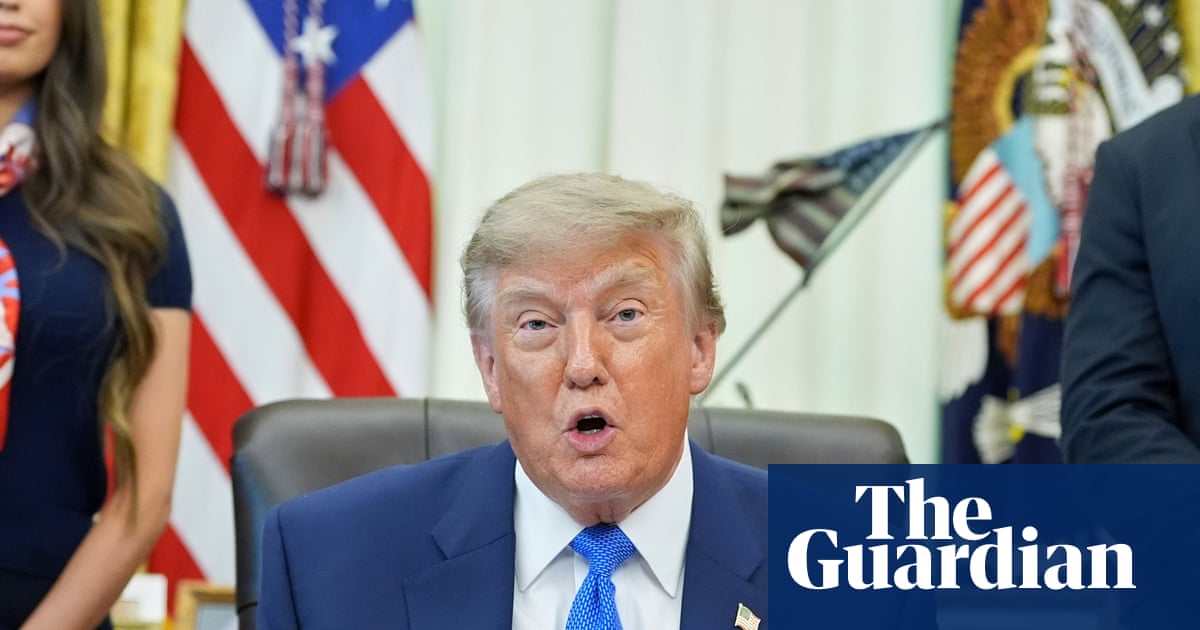
Trump dismissed the initial request as a surprise addition to negotiations. He countered on social media by stating he would instruct his representatives to demand compensation for American service members harmed by Iranian-backed proxy attacks over the past two decades, according to The Guardian. Trump's wider ledger of grievances spans several decades of regional conflicts, including historical attacks linked to Iran and its proxies. His demands also extend to compensation for families of anti-government protesters killed inside Iran during domestic unrest earlier in the year.
Parallel to the diplomatic sparring, Trump claimed during a White House press availability that the United States Navy has fully mine-swept the Strait of Hormuz and maintains complete control over the waterway, according to Yonhap News Agency. It's open now,
Trump said, adding that the naval blockade remains active for all vessels traveling to and from Iran while allowing other international traffic to pass. He asserted that Iran remains financially crippled by the ongoing conflict and soaring domestic inflation.
Leadership structures within Tehran are simultaneously shifting as the confrontation persists. Iranian President Masoud Pezeshkian recently met with the country's supreme leader to emphasize internal unity against mounting economic pressures, according to WHDH. Meanwhile, hardliner Mohsen Rezaei took over leadership of the Supreme National Security Council, signaling a rigid posture in ongoing security positioning.
Key Demands in the Stalled Negotiations
- Tehran's Positions: Wants the U.S. To lift economic sanctions, release frozen assets, terminate port blockades, and pay war reparations before reopening the Strait of Hormuz.
- Washington's Counter-Positions: Demands compensation for decades of U.S. Military casualties from regional proxy conflicts, restitution for Iranian protesters killed during domestic crackdowns, and financial accountability for wider damages across Lebanon, Syria, Yemen, and Gaza.
Broader regional tensions continue to compound the crisis. Clashes have persisted along peripheral conflict zones, including recent Houthi strikes in Yemen that killed several people near a Red Sea port town, according to WHDH. At the same time, friction between Washington and its allies has complicated regional peace efforts, highlighted by Israeli Prime Minister Benjamin Netanyahu rejecting a 15-point Board of Peace roadmap for Gaza, according to The Guardian.
As diplomatic channels stall and both capitals trade escalating financial and political demands, international observers are watching for any shift in maritime enforcement or military posture around the Strait of Hormuz.
How significant is this development?
Contribute your assessment to the aggregated reader sentiment ledger.
Frequently Asked Questions
Key questions answered in this reportWhat is the key development in: Trump asks Iran for war reparations in new tit-for-tat demand?
President Trump has escalated diplomatic friction with Tehran by demanding war reparations from Iran, countering Tehran's demands for U.S. compensation.
Why is this World development significant for the UK?
This report covers critical events in our World beat. Independent reporting monitors related UK statements, regulatory shifts, and public responses as further verified details emerge.
How was this reporting corroborated and verified?
Newsarchy UK compiles and cross-references reporting from primary reporting from newsday.com and cross-checked wire reports. All coverage adheres to published editorial standards.
When was this report published?
This briefing was published on August 11, 2026 and is permanently cataloged in the Newsarchy UK World archives.