Trump pauses Iran strike after Gulf allies plea, talks set for Monday
President Donald Trump put a planned massive military attack on Iran on hold after Saudi Arabia, the UAE, Qatar and Iran asked for diplomacy, paving the way for indirect talks.
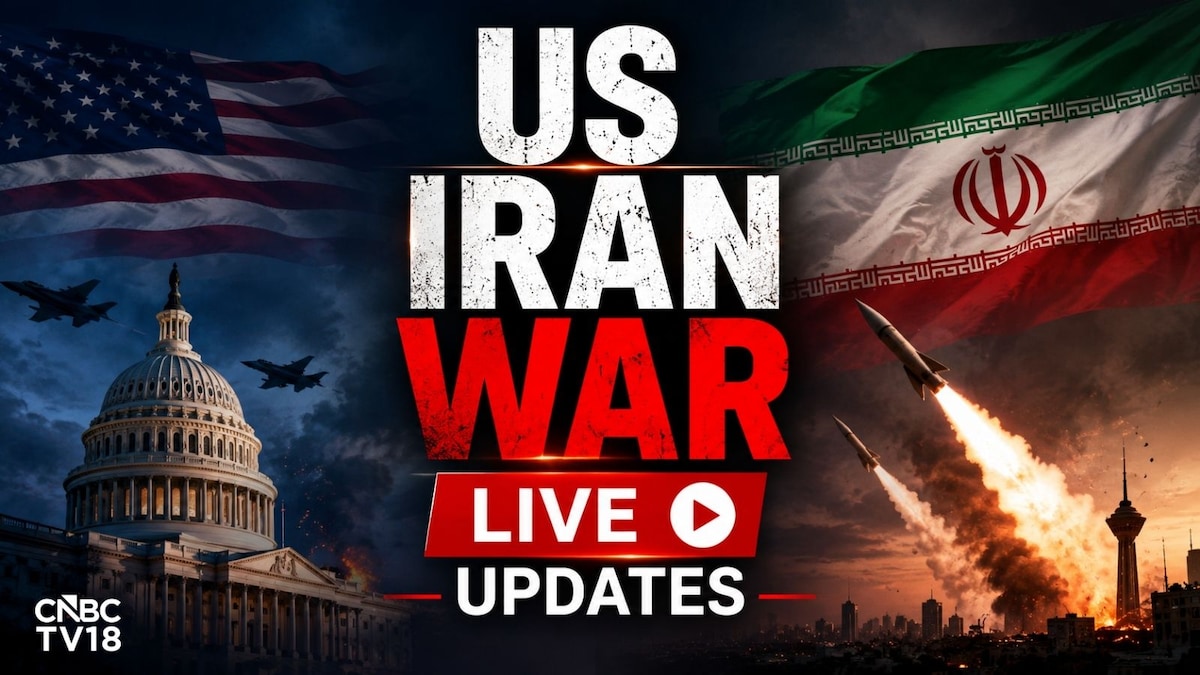
- Core Development: President Donald Trump put a planned massive military attack on Iran on hold after Saudi Arabia, the UAE, Qatar and Iran asked for diplomacy, paving the way for indirect talks.
- Beat Context: Categorized under World with independent corroboration.
- Reporting Depth: 5 minute analytical read synthesized from verified newsroom sources.
President Donald Trump announced on Sunday that a “massive attack” on Iran – described as “by far the biggest attack since World War II” – has been put on hold after Saudi Arabia, the United Arab Emirates, Qatar and Iran themselves asked Washington to give diplomacy more room. The reversal clears the way for a new round of indirect talks slated to begin on Monday. The decision not only averts an escalation that could have crippled regional oil flows, it also reshapes market expectations, military posturing and the diplomatic calculus of Gulf mediators.
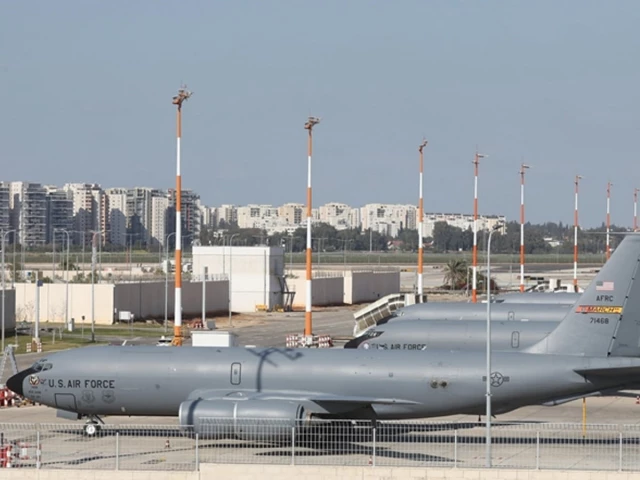
Trump made the statement aboard Air Force One as it returned to Joint Base Andrews. He said the United States remained “ready to go anytime we want” but chose to “see whether or not we can make a deal” after the Gulf states “asked us not to do it”. The shift comes after a weekend of heightened military activity, including a US‑led strike on Tehran’s Ferdowsi Square reported by Iran’s state broadcaster, the shooting down of a US MQ‑9 drone over the Strait of Hormuz, and a series of Israeli artillery and drone attacks in southern Lebanon.
Media additions
"It was going to be a massive attack… by far the biggest attack since World War II. But they’ve asked us not to do it. They said, ‘Please don’t do it.’ Their neighbours said that too… We’re just going to see whether or not we can make a deal." Donald Trump, via Cnbctv18
Trump added that there is “no set timeline” for a settlement, underscoring the fluid nature of the negotiations. He also hinted that the forthcoming talks will cover both a safe‑shipping arrangement for the Strait of Hormuz and Iran’s “denuclearisation” – language that mirrors earlier U.S. Proposals.
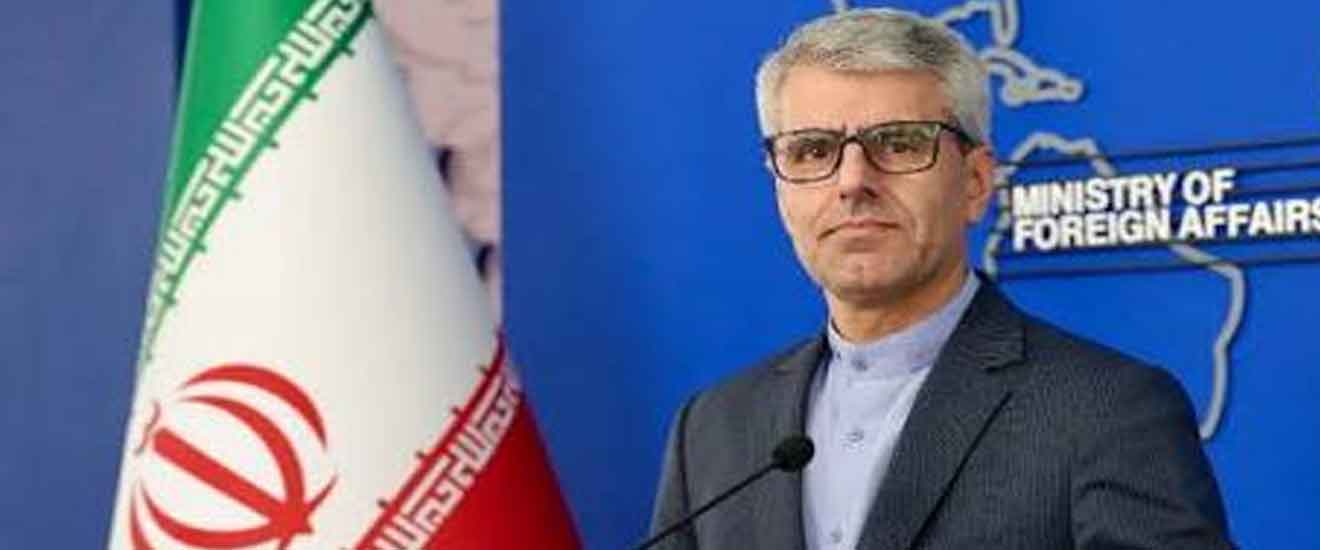
While the White House pushes a diplomatic narrative, Tehran insists it is not currently in direct talks with Washington. Dunyanews quoted Foreign Ministry spokesperson Esmaeil Baghaei saying, “We are not currently negotiating with the United States. Our negotiations are with Oman to secure passage through the Strait of Hormuz.” The same spokesperson told cnbctv18 that any agreement on safe maritime passage “is a necessary condition … but not sufficient” to reopen the waterway.
Oman has been working with Tehran on a “temporary safe route” that would feature “one path with entry and exit lanes”. The plan, according to Baghaei, is “separate from whether the strait reopens or stays closed”. The Gulf coalition’s mediating role is underscored by the presence of Pakistan, Qatar and Saudi Arabia as “primary groups” that urged the United States to stand down, a claim echoed in Trump’s remarks.
In parallel with the diplomatic overture, the United States military has signaled uncertainty about its own options. Tribune reported that a senior officer in U.S. Central Command’s intelligence branch emailed a broad group of analysts on 29 July 2026 asking for “creative and unconventional ways to pressure and punish Iran”. The “crowdsourcing‑style query”, described by Dunyanews as uncommon, suggests that Washington still sees a military back‑up plan even as it courts a diplomatic solution.
The commercial impact of the pause is already evident. Oil benchmarks slipped more than 4 % on Monday, while Brent fell to $83.88 a barrel, according to reports in the Dunyanews article. Spot gold rose 0.4 % to $4,055.76 per ounce, reflecting investors’ appetite for safe‑haven assets after the de‑escalation announcement.
Shipping data reinforce the strategic stakes. Windward intelligence noted that Chinese‑linked vessels continued to transit the Bab el‑Mandeb and Hormuz with “fewer disruptions”, while Kpler data showed a decline in commodity traffic through Bab el‑Mandeb from 28 ships on Friday to 18 on Sunday. A Greek‑owned LNG tanker, the Gas Log Shanghai, reported a stable “incident” while exiting Hormuz on 31 July 2026, with no crew injuries.
Regional security concerns extend beyond the strait. The Iranian Revolutionary Guard’s aerospace force said it shot down a U.S. MQ‑9 Reaper drone over Hormuz on 2 August 2026. Israeli forces conducted two‑day naval and ground drills along Israel’s coast, a routine exercise according to Israeli statements but viewed by Tehran as provocative.
Analysts caution that a negotiated solution on Hormuz would need to address both the physical safe‑shipping route and the broader “denuclearisation” agenda, which Washington has framed as the core of the conflict. A cnbctv18 piece notes that Iran’s foreign ministry warned the strait “will never return to its pre‑war state” without an end to what it terms U.S. “aggression”.
What to watch next
- Monday afternoon: First round of indirect talks between U.S. And Iranian envoys, likely mediated by Pakistan and Qatar.
- Tuesday: Possible confirmation of any safe‑shipping corridor through Hormuz, involving Oman’s proposed route.
- Mid‑week: Market reaction to any concrete deal – oil, LNG and gold prices could swing sharply.
- End of week: U.S. Military’s response to CENTCOM’s “unconventional ideas” request, which may surface as new pressure tactics.
- Beyond: Whether Saudi Arabia, the UAE and Qatar will push for a formal “Hormuz cease‑fire” that includes a 60‑day toll‑free period, as hinted in diplomatic circles.
Timeline of key events
- 29 July 2026 – CENTCOM email solicits unconventional ideas to “punish Iran”.
- 31 July 2026 – LNG tanker Gas Log Shanghai reports incident exiting Hormuz.
- 1 August 2026 – Two Saudi crude tankers cross Bab el‑Mandeb; traffic begins to ease.
- 2 August 2026 – Iranian IRGC claims downing of U.S. MQ‑9 drone; Israeli drills commence.
- 2 August 2026 – Trump announces cancellation of “massive attack” after appeals from Gulf allies and Iran.
- 3 August 2026 – Scheduled start of U.S.–Iran indirect talks; oil prices drop over 4 %.
All eyes now turn to whether the diplomatic overture can translate into a concrete framework that loosens the choke‑point on Hormuz while addressing Washington’s non‑proliferation goals. The outcome will determine not only the immediate security of the Gulf but also the trajectory of global energy markets for the rest of the year.
How significant is this development?
Contribute your assessment to the aggregated reader sentiment ledger.
Frequently Asked Questions
Key questions answered in this reportWhat is the key development in: Trump pauses Iran strike after Gulf allies plea, talks set for Monday?
President Donald Trump put a planned massive military attack on Iran on hold after Saudi Arabia, the UAE, Qatar and Iran asked for diplomacy, paving the way for indirect talks.
Why is this World development significant for the UK?
This report covers critical events in our World beat. Independent reporting monitors related UK statements, regulatory shifts, and public responses as further verified details emerge.
How was this reporting corroborated and verified?
Newsarchy UK compiles and cross-references reporting from primary reporting from cnbctv18.com and cross-checked wire reports. All coverage adheres to published editorial standards.
When was this report published?
This briefing was published on August 3, 2026 and is permanently cataloged in the Newsarchy UK World archives.