Trump says Iran has last chance before decapitation in negotiations
President Trump told reporters Iran faces a “last chance before decapitation” as the United States continues diplomatic outreach, while Iran’s foreign ministry says no negotiations are taking place.
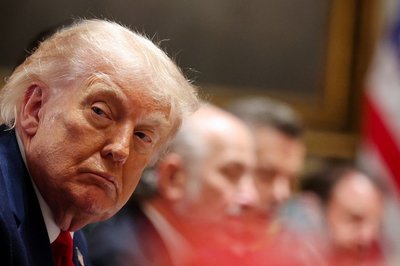
- Core Development: President Trump told reporters Iran faces a “last chance before decapitation” as the United States continues diplomatic outreach, while Iran’s foreign ministry says no negotiations are taking place.
- Beat Context: Categorized under World with independent corroboration.
- Reporting Depth: 4 minute analytical read synthesized from verified newsroom sources.
Trump says Iran faces last chance before decapitation as talks continue
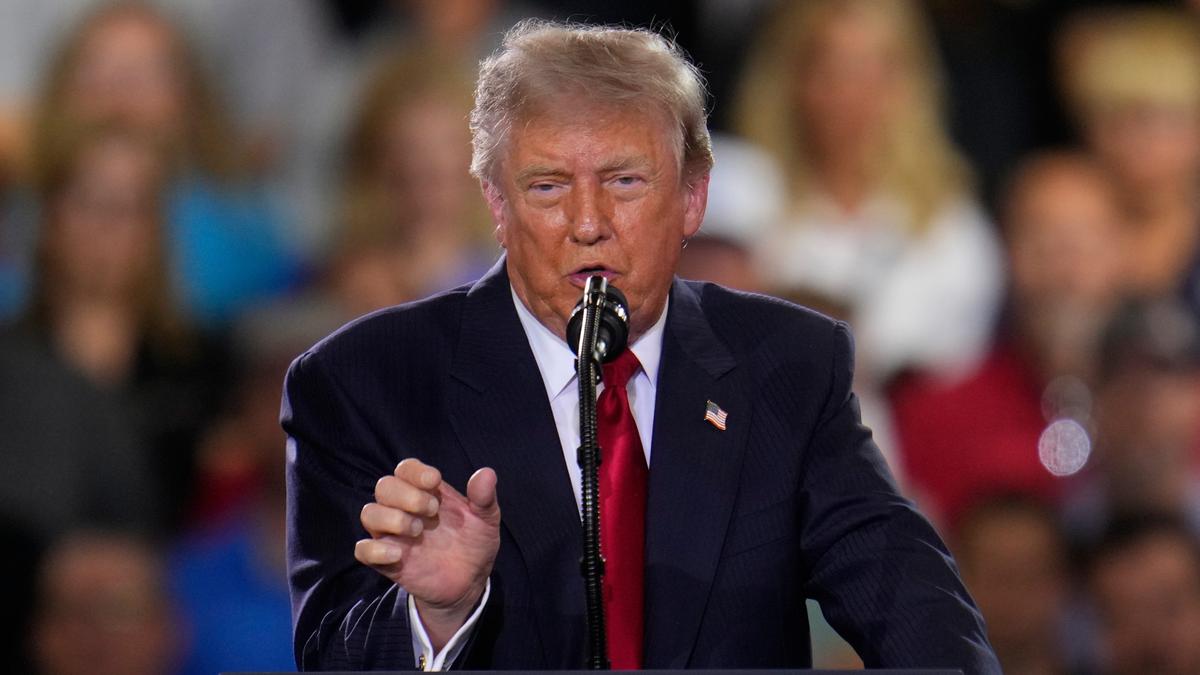
Donald Trump said Monday that Iran faces a “last chance before decapitation” as negotiations continue, according to a White House statement. The former president told reporters that talks with Tehran were ongoing despite the Iranian foreign ministry’s denial. He added that the United States, at the request of Saudi Arabia, the United Arab Emirates, Qatar and other regional partners, remains committed to pursuing a diplomatic solution. The comments came as tensions in the Persian Gulf have remained high since the surprise strikes of 28 February that launched the current conflict.
Trump said that he had agreed to continue talks with Iran on the basis of requests from the Gulf states. He emphasized that the United States is willing to engage in dialogue with Tehran, even as Iranian officials claim no negotiations are taking place. The White House described the discussions as a final opportunity for the Iranian regime to sign a comprehensive agreement that would address both security and economic concerns. The president’s remarks were made during a briefing for reporters at the White House.
Media additions
Iran’s foreign ministry, through spokesman Esmaeil Baqaei, denied the existence of any talks with Washington. Baqaei said, “Our negotiations are with Oman to secure passage through the Strait of Hormuz.” He added that the Iranian side was focusing on the management of the strategic waterway rather than on a broader diplomatic settlement. The statement was released shortly after Trump’s comments and reflects Tehran’s insistence that it has not entered into any negotiations with the United States.
Trump said the talks center on two main issues: reopening the Strait of Hormuz and addressing Iran’s nuclear programme. He claimed the strait could be reopened “literally by tomorrow,” while denuclearisation might “take a little while.” The president reiterated that the United States considers the removal of Iran’s nuclear capabilities essential. He also warned that the Iranian regime must accept a comprehensive deal that would curb its missile and drone capabilities and protect regional security.
The conflict began with a surprise strike by the United States and Israel on 28 February, which launched a war that has seen intermittent periods of calm. Iran has continued to possess the ability to launch missiles and drones at United States and allied targets, and it retains enriched uranium stockpiles. The United States and its partners have imposed a counter‑blockade on Iranian ports, limiting the country’s ability to export oil and trade. The war’s persistence has heightened tensions across the Gulf, prompting diplomatic initiatives from various regional actors. The United States has also engaged with regional partners to coordinate sanctions.
On Tuesday, the United Kingdom Maritime Trade Operations (UKMTO) reported that a cargo vessel was struck by an “unknown projectile” in the Strait of Hormuz off the coast of Oman. The incident occurred approximately 20 nautical miles northeast of Al Khasab. UKMTO said authorities were investigating the hit, but did not provide details on damage or injuries. The report highlighted the ongoing risk to commercial shipping in the region amid the broader conflict.
Trump’s approach has involved a pattern of threat and restraint. In the week prior, he warned that the United States could strike Iran “very hard” and target energy infrastructure. However, on Saturday, he reversed that stance, saying that the “perimeters” of a potential deal were in place. The president’s comments underscored the United States’ willingness to use diplomatic pressure while also showing a readiness to engage if a credible agreement emerges.
On social media, Trump labeled Iran “duplicitous” for its public denial of negotiations. He wrote that whether Iran admits it or not, the United States is actively pursuing a solution to the problems it has caused over decades. The president also highlighted the United States’ counter‑blockade of Iranian ports, stating that nothing reaches Iran unless a deal or total surrender is achieved. These statements reflect the United States’ broader strategy of economic pressure combined with diplomatic outreach to compel Iran to negotiate.
Before the conflict, the Strait of Hormuz allowed free passage for international shipping. Since the war’s outbreak, Iran has enforced a blockade, demanding fees and restricting routes to those that hug its coast. The United States rejects Iran’s claim of exclusive control and has imposed sanctions on Iranian shipping. The restriction has led to concerns over global energy supplies, as the waterway is a critical conduit for oil and gas exports from the Gulf.
We are now going to reach an understanding on a route acceptable to both sides -- neither the northern route nor the southern route -- but one that respects the sovereign rights of both sides and safeguards our national interests and security.Baqaei, state television, Sunday
The current state of negotiations remains uncertain. While the United States and Iran have expressed willingness to engage, Iran’s official position is that no talks have taken place. The United Kingdom Maritime Trade Operations incident underscores the fragility of commercial shipping in the region. Analysts note that a resolution will likely require a comprehensive agreement that addresses both security and economic concerns. Observers will continue to monitor the next steps in the diplomatic process and any changes in the United States’ stance toward Iran.
How significant is this development?
Contribute your assessment to the aggregated reader sentiment ledger.
Frequently Asked Questions
Key questions answered in this reportWhat is the key development in: Trump says Iran has last chance before decapitation in negotiations?
President Trump told reporters Iran faces a “last chance before decapitation” as the United States continues diplomatic outreach, while Iran’s foreign ministry says no negotiations are taking place.
Why is this World development significant for the UK?
This report covers critical events in our World beat. Independent reporting monitors related UK statements, regulatory shifts, and public responses as further verified details emerge.
How was this reporting corroborated and verified?
Newsarchy UK compiles and cross-references reporting from primary reporting from jacarandafm.com and cross-checked wire reports. All coverage adheres to published editorial standards.
When was this report published?
This briefing was published on August 4, 2026 and is permanently cataloged in the Newsarchy UK World archives.