Trump says oil prices will drop after U.S. midterm elections
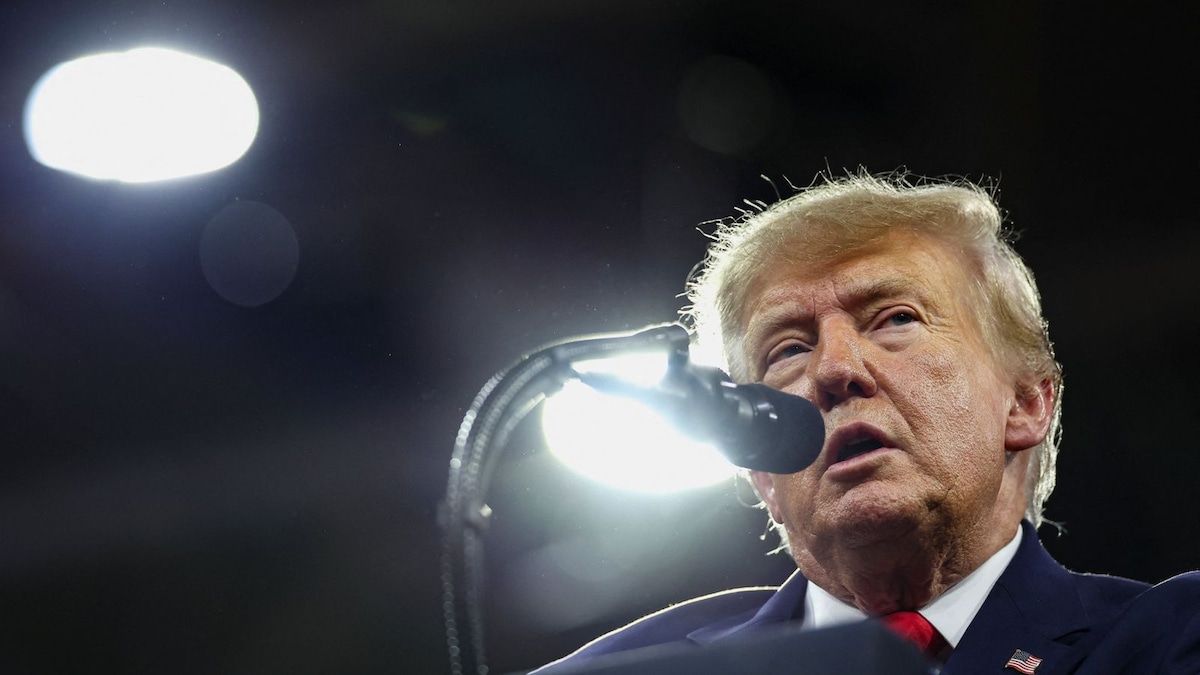
President Donald Trump stated that oil prices spiked by the ongoing Iran conflict will not ease until after the U.S. mid-term elections.

- Core Development: President Donald Trump stated that oil prices spiked by the ongoing Iran conflict will not ease until after the U.S. mid-term elections.
- Beat Context: Categorized under World with independent corroboration.
- Reporting Depth: 5 minute analytical read synthesized from verified newsroom sources.
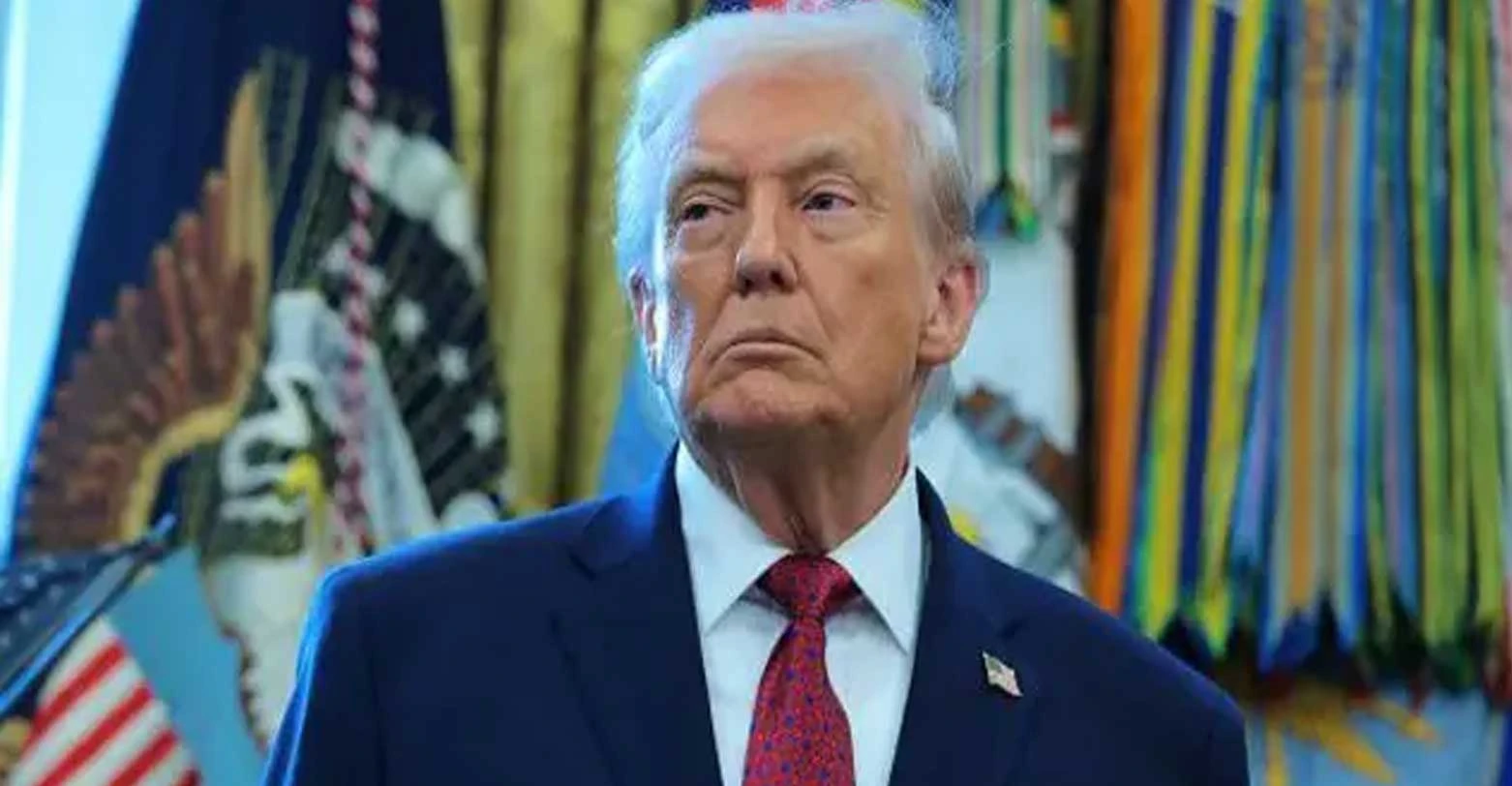
On Wednesday, 9 September 2026, President Donald Trump told reporters that the spike in oil prices triggered by the ongoing Iran conflict would not ease until after the U.S. Mid‑term elections, a statement that could shape the political and economic landscape in the weeks ahead.
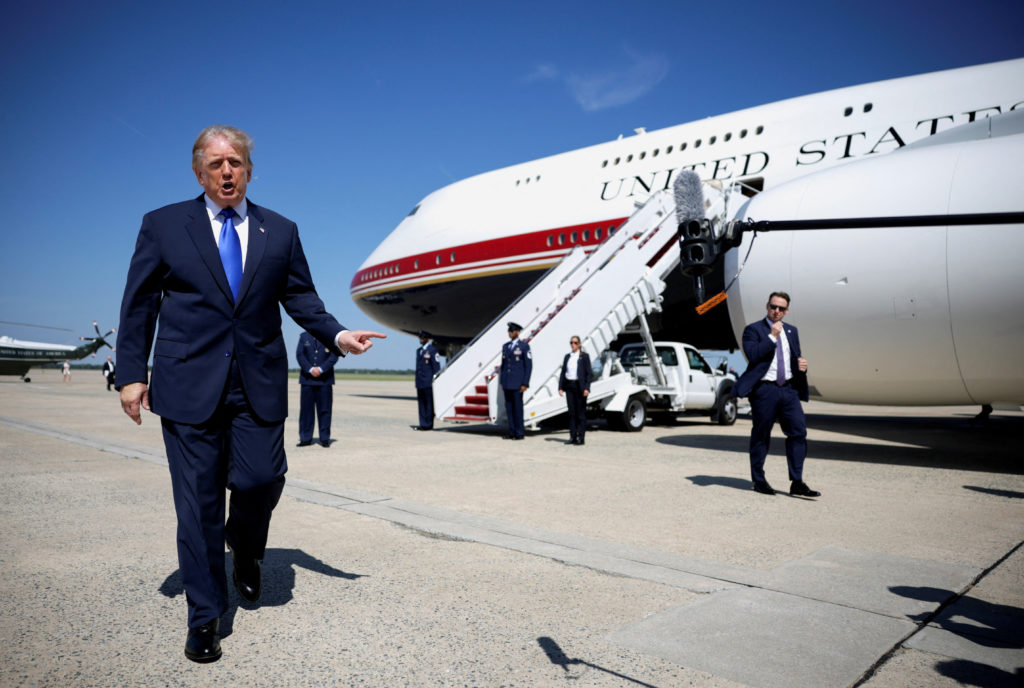
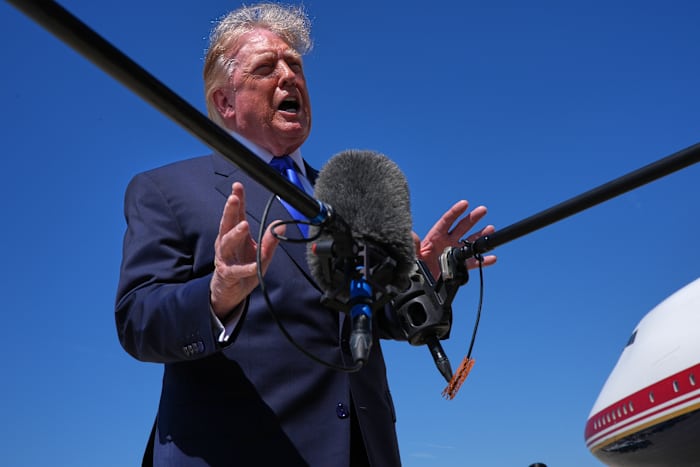
Trump’s remarks came just before he boarded Air Force One for the Republican National Convention in Dallas, a rally that will energise the party ahead of the November elections that could determine the balance of power in Congress. The President’s assertion that “right after the election, oil prices are going to be tumbling downward” signals a direct link between the political calendar and energy markets, a claim that has drawn scrutiny from analysts and media alike.
Media additions
At the centre of the President’s warning is the escalating war in the Middle East. The conflict, which began at the end of February 2026, has entered its seventh month following a series of U.S. Strikes on Iranian tankers and retaliatory attacks by an Iranian‑backed Houthi group in Saudi Arabia. The United States has reported striking five Iranian tankers in response to attempted missile attacks on a Navy warship, while the Houthis ignited fires at oil facilities in Saudi Arabia, further tightening the flow of Gulf oil through the Strait of Hormuz. Prior to the war, the strait handled roughly 20 % of the world’s petroleum, a figure that has been under pressure since the hostilities began.
| Metric | Value |
|---|---|
| Brent crude (Wednesday 9 Sep) | over $100 per barrel |
| West Texas Intermediate (WTI) | around $96 per barrel |
| Average U.S. Gasoline (AAA) | $4.22 per gallon |
| Average U.S. Diesel (AAA) | $5.94 per gallon |
| Strategic Petroleum Reserves (early Aug) | below 300 million barrels, down 100 million barrels since start of 2026 |
Trump’s own words are recorded by the Associated Press, PBS, and the BBC, all of which note his assertion that oil prices will not fall until after the mid‑terms. The President also added that Iran will “finally relent” once the U.S. Elections are complete, suggesting that Tehran’s ability to sustain the conflict depends on the political climate at home. He further stressed that the war “isn't over until after the election” because the regime “can’t hold out any longer.”
Vice President J.D. Vance, meanwhile, has taken a different stance. Vance told reporters he didn’t want to set “artificial timelines” for the war’s end. Vance’s comments contrast sharply with Trump’s more definitive timeline, underscoring a divide within the administration over how to frame the conflict to the public.
Trump’s earlier remarks on the war have fluctuated. When the conflict first erupted, he said it would last a matter of weeks, a statement that has since proved far too optimistic. In a recent interview, he described the war as “small potatoes,” a characterization that appeared to downplay the stakes in the eyes of some Republicans worried that high gas prices would erode voter support. The President's shifting rhetoric may reflect a strategy to keep the war in the public eye while also attempting to reassure voters that he will end it, even if that end is postponed until after the elections.
Beyond the political messaging, the war’s economic impact is tangible. The surge in oil prices has pushed Brent crude above $100 for the first time since July, while U.S. Gasoline has risen to $4.22 a gallon, a level more than a dollar above the same point last year, according to AAA. Diesel, used extensively in shipping and manufacturing, has reached an all‑time high of $5.94 per gallon. Jet fuel has become so expensive that U.S. And international carriers have cut flights while raising fares and fees, a trend that could ripple through global travel and trade.
These price hikes are not just a matter of consumer inconvenience. Rising fuel costs feed into broader inflationary pressures. The ongoing war, therefore, intersects with the domestic economic conversation about rising inflation and the Treasury Department’s efforts to manage it.
Politically, the timing of Trump’s comments is significant. The U.S. Mid‑term elections, scheduled for 3 November 2026, could shift the balance of power in both the House of Representatives and the Senate. Republicans currently hold a narrow majority in the House. The outcome will influence the pace and scope of any future foreign policy actions, including the continuation or cessation of the war with Iran. Trump’s assertion that the war will end immediately after the elections suggests that the administration views the electoral outcome as a decisive factor in the conflict’s trajectory.
What to watch next:
- Mid‑term election results on 3 November 2026 and their impact on congressional majorities.
- Any formal statement from the White House on a post‑election strategy for the Iran conflict.
- Shifts in oil market volatility following the election, particularly Brent and WTI futures.
- Potential new sanctions or diplomatic initiatives announced by the administration in the weeks after the elections.
In sum, Trump’s claim that oil prices will not fall until after the mid‑term elections ties the fate of the Iran war to the U.S. Political calendar. The President’s own investment interests, the administration’s mixed messaging, and the economic ripple effects of rising fuel costs all underscore the multi‑layered stakes at play. As the nation approaches November, the convergence of foreign policy, domestic politics, and energy markets will continue to shape the trajectory of the conflict and the country’s economic wellbeing.
How significant is this development?
Contribute your assessment to the aggregated reader sentiment ledger.
Frequently Asked Questions
Key questions answered in this reportWhat is the key development in: Trump says oil prices will drop after U.S. midterm elections?
President Donald Trump stated that oil prices spiked by the ongoing Iran conflict will not ease until after the U.S. mid-term elections.
Why is this World development significant for the UK?
This report covers critical events in our World beat. Independent reporting monitors related UK statements, regulatory shifts, and public responses as further verified details emerge.
How was this reporting corroborated and verified?
Newsarchy UK compiles and cross-references reporting from primary reporting from Newsweek and cross-checked wire reports. All coverage adheres to published editorial standards.
When was this report published?
This briefing was published on September 10, 2026 and is permanently cataloged in the Newsarchy UK World archives.