Supreme Court allows Trump mail ballot rules to advance as California plans new suit
The U.S. Supreme Court cleared the way for the administration to advance new mail-in ballot regulations, as states face upcoming election deadlines and prepare new legal challenges.

- Core Development: The U.S. Supreme Court cleared the way for the administration to advance new mail-in ballot regulations, as states face upcoming election deadlines and prepare new legal challenges.
- Beat Context: Categorized under World with independent corroboration.
- Reporting Depth: 3 minute analytical read synthesized from verified newsroom sources.
The U.S. Supreme Court on Monday, 24 August 2026, cleared the way for the administration to advance new regulations concerning mail-in ballots. The high court's conservative majority voted to set aside a lower judge's order that had previously halted federal agencies from working on the rules. The decision arrives as states face critical deadlines to print and distribute ballots for the midterm elections.
The dispute stems from a presidential directive signed by President Donald Trump in March. The order directs the administration to create lists of eligible voters and instructs the U.S. Postal Service to deliver mail ballots only to individuals on those lists. Voting by mail has drawn sharp criticism from Trump, who has argued that the method breeds fraud, despite findings from research organizations such as the Brookings Institution indicating that fraud involving mail ballots is rare.
Media additions
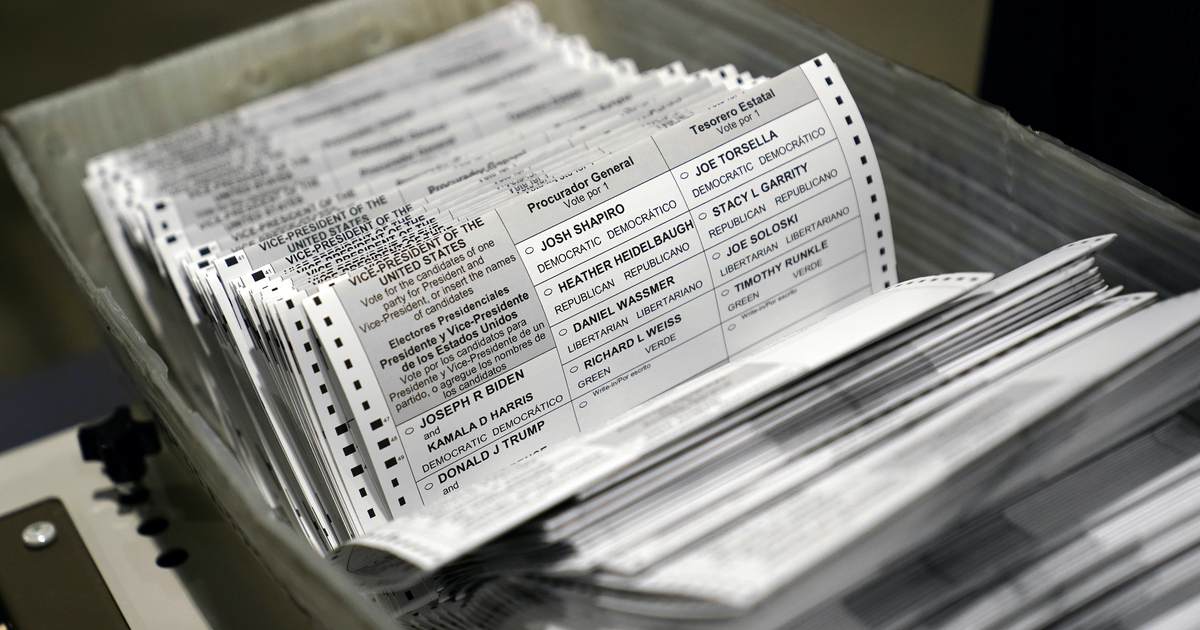
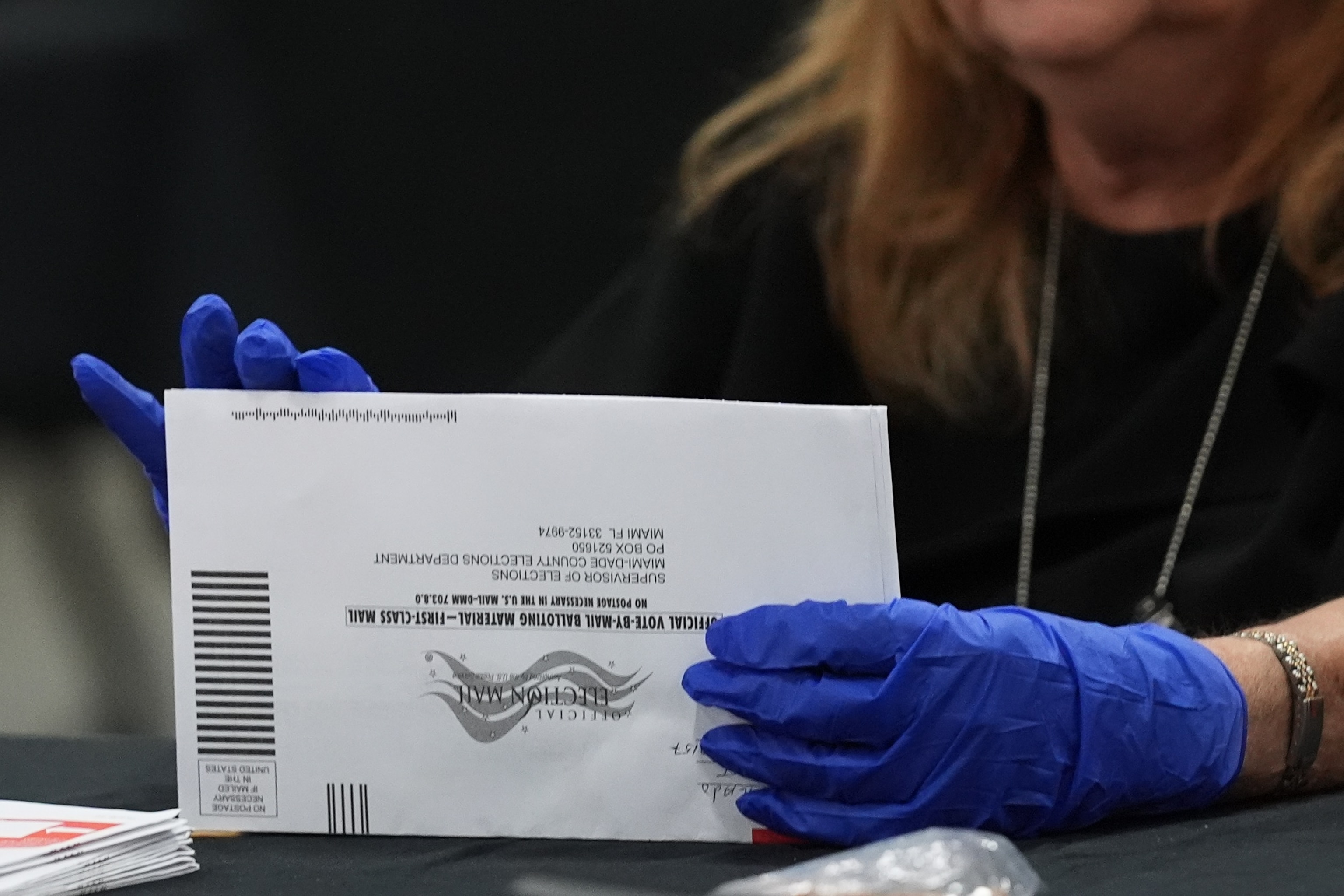
Democratic officials in 23 states and Washington, D.C., launched legal challenges against the directive. They argued that the U.S. Constitution assigns authority over election administration to states and Congress, warning that sudden federal intervention could create widespread administrative chaos and disenfranchise voters. Lower courts initially sided with the challengers, issuing injunctions that blocked the plan.
In a per curiam opinion, the Supreme Court's six Republican appointees determined that the challenging states brought their lawsuit prematurely because the administrative rules had not yet caused concrete harm. The majority emphasized that the ruling does not determine the ultimate legality of the executive order.
"The Court’s disposition of this application does not mean that any measure taken by the Government to implement the Order will necessarily be lawful. On that score, time will tell,"
The Supreme Court, via Los Angeles Times
The court’s three liberal members issued sharp dissents. Justice Sonia Sotomayor, joined by Justice Elena Kagan, argued that the administration's warnings to state election officials already constituted tangible harm. In a separate dissent, Justice Ketanji Brown Jackson asserted that the ruling unnecessarily injects uncertainty into the electoral process on the eve of voting.
Legal battles are set to continue immediately. California Attorney General Rob Bonta noted that because the Postal Service published a final rule implementing aspects of the directive, the state is prepared to file a new lawsuit. Separate nationwide injunctions remain active, meaning the full practical impact of the Supreme Court's procedural decision remains uncertain as election administrators scramble to prepare.
The Postal Service finalized a rule requiring unique barcodes and voter information collection via a federal portal, though it stopped short of the president's broader demands regarding citizenship verification. California leaders and allied state attorneys general announced plans to file a fresh lawsuit challenging the merits of the new federal regulations.
Key Developments and Context
- The Supreme Court acted on an emergency appeal filed by federal attorneys, setting aside a lower-court block on federal agency planning.
- The Postal Service finalized a rule requiring unique barcodes and voter information collection via a federal portal, though it stopped short of the president's broader demands regarding citizenship verification.
- California leaders and allied state attorneys general announced plans to file a fresh lawsuit challenging the merits of the new federal regulations.
- Separate nationwide legal hurdles remain in place, leaving the immediate enforcement of the rules before November uncertain.
How significant is this development?
Contribute your assessment to the aggregated reader sentiment ledger.
Frequently Asked Questions
Key questions answered in this reportWhat is the key development in: Supreme Court allows Trump mail ballot rules to advance as California plans new suit?
The U.S. Supreme Court cleared the way for the administration to advance new mail-in ballot regulations, as states face upcoming election deadlines and prepare new legal challenges.
Why is this World development significant for the UK?
This report covers critical events in our World beat. Independent reporting monitors related UK statements, regulatory shifts, and public responses as further verified details emerge.
How was this reporting corroborated and verified?
Newsarchy UK compiles and cross-references reporting from primary reporting from latimes.com and cross-checked wire reports. All coverage adheres to published editorial standards.
When was this report published?
This briefing was published on August 25, 2026 and is permanently cataloged in the Newsarchy UK World archives.